Top 10 Benefits of Thermoformed Plastic Packaging Explained?

In recent years, thermoformed plastic packaging has gained popularity across various industries. Its versatility and efficiency make it an attractive choice. This method uses heat to mold plastic into specific shapes, yielding a range of products from trays to clamshells.

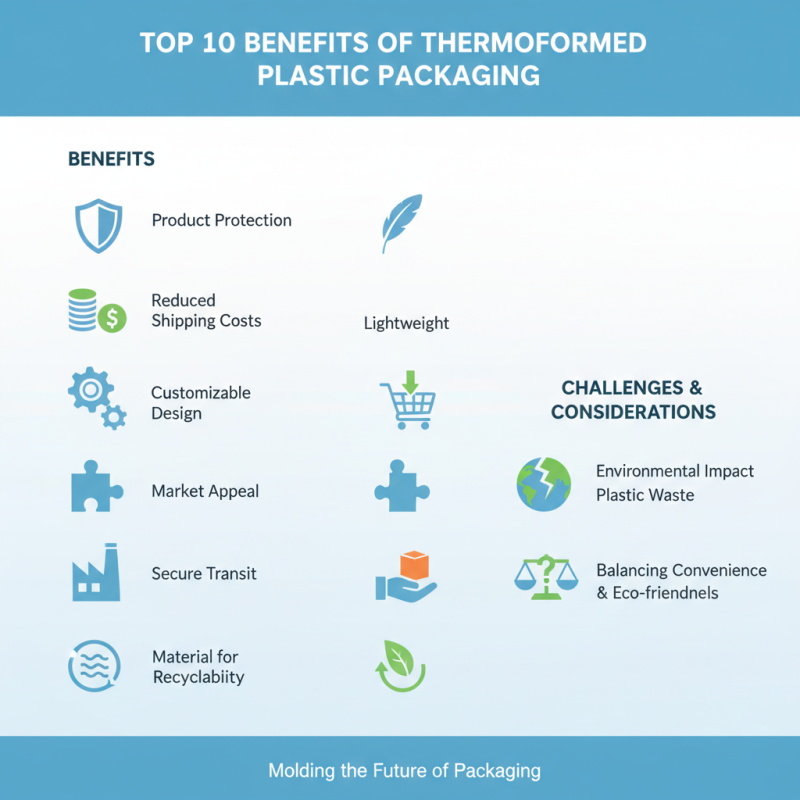
Many benefits stem from thermoformed plastic packaging. It offers excellent protection for goods during transit. The lightweight nature helps reduce shipping costs. Additionally, this packaging is customizable, catering to diverse product types and market needs. Companies can create eye-catching designs and efficient layouts to attract customers.

However, despite its advantages, there are challenges to consider. The environmental impact of plastic waste is one area that requires careful thought. As businesses embrace this packaging, reflecting on sustainability is crucial. Balancing convenience with eco-friendliness may not be easy, but it's essential for a better future.
Top 10 Benefits of Thermoformed Plastic Packaging Explained?

Understanding Thermoformed Plastic Packaging

Thermoformed plastic packaging is gaining traction for various industries. This packaging method involves heating plastic sheets until they become pliable. Once softened, the material is formed into specific shapes using molds. The result is a lightweight, durable product well-suited for many applications.

One significant advantage is its versatility. Manufacturers can create custom designs for different products. However, not all shapes are easy to produce. Some designs may require more trial and error. Another aspect to consider is the environmental impact. While many thermoformed plastics are recyclable, not all facilities accept them. This can lead to waste in landfills if consumers do not dispose of them properly.

Cost-effectiveness is a noteworthy benefit. Thermoformed plastic can often be cheaper than other packaging solutions. Yet, this cost savings may come at the expense of aesthetics. Simpler designs may lack visual appeal. Companies must weigh costs against consumer expectations. Balancing practicality and attractiveness remains a challenge in the packaging industry.

Top 10 Benefits of Thermoformed Plastic Packaging Explained

Benefit Description Example Applications
Cost-Effectiveness Thermoformed plastic packaging is generally less expensive than other forms of packaging, making it a budget-friendly option for manufacturers. Food packaging, consumer goods.
Lightweight Thermoformed plastics are lighter than glass or metal, reducing shipping costs and increasing efficiency. Electronics packaging, healthcare products.
Versatility Can be molded into a variety of shapes and sizes for different products, allowing for customization. Custom trays, clamshell packaging.
Durability Resistant to impact and breakage, ensuring products remain safe during transport. Distribution packaging, protective cases.
Recyclability Many thermoformed plastics can be recycled, contributing to environmental sustainability. Retail packaging, disposables.
Hygienic Easy to clean and sterilize, making them ideal for food and medical applications. Food trays, surgical instruments packaging.
Attractive Aesthetics Can be made in a variety of colors and finishes to enhance product presentation. Retail displays, cosmetic containers.
Temperature Resistance Can withstand various temperatures, making them suitable for a range of applications including hot food packaging. Hot food containers, industrial packaging.
Straightforward Production The production process of thermoforming is relatively quick and efficient, reducing lead times. Rapid prototyping, large volume runs.

Environmental Sustainability of Thermoformed Plastics

Top 10 Benefits of Thermoformed Plastic Packaging Explained?

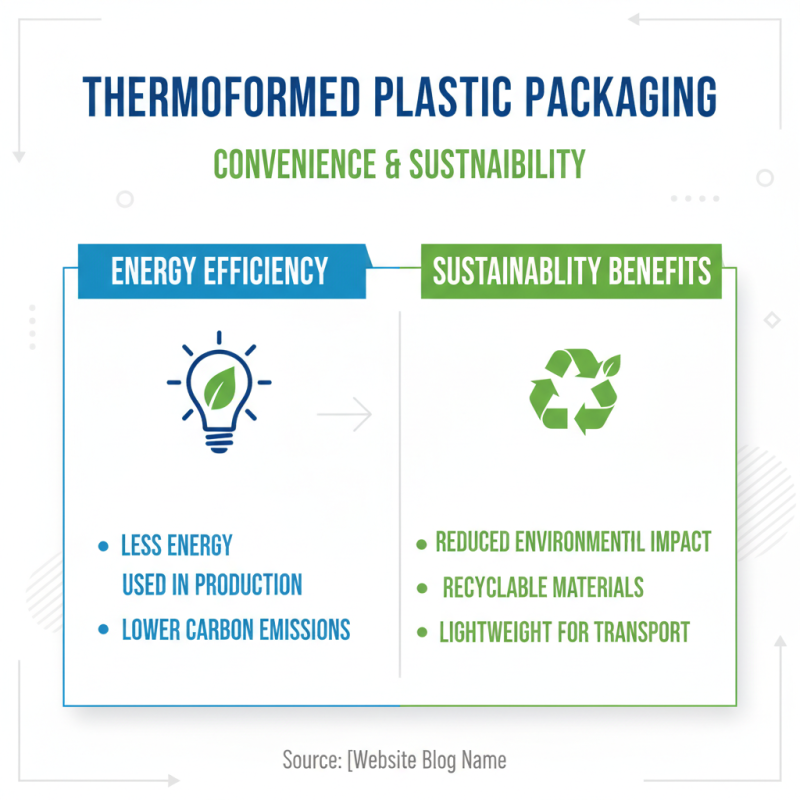
Thermoformed plastic packaging offers a blend of convenience and sustainability. One of its foremost benefits is energy efficiency. The production process uses less energy compared to traditional materials. This reduction helps lower overall carbon emissions.

Another aspect is recyclability. Many thermoformed plastics can be recycled, reducing landfill waste. However, proper disposal and recycling processes are essential. Consumers and businesses must actively engage in recycling programs.

Tips: Always check local recycling guidelines. Not all plastics are accepted everywhere. Educate employees and customers about recycling options. Engage with them regularly for better results. By focusing on recycling, we can maximize the benefits of thermoformed packaging.

Thermoformed plastics also offer lightweight solutions, which can reduce transportation emissions. However, their durability can cause issues if they aren’t reused properly. While their characteristics are beneficial, we should consider how they are managed post-consumption. Making more informed choices can enhance the sustainability of our packaging practices.

Cost-Effectiveness of Thermoformed Packaging Solutions

Thermoformed plastic packaging offers notable cost advantages, making it an attractive option for many industries. According to the Flexible Packaging Association, the use of flexible materials can reduce packaging costs by up to 30%. This efficiency stems from lower raw material costs and reduced shipping expenses due to lighter weight.

Thermoforming allows for customization, which can lead to significant savings. A study from the Packaging Strategies Magazine highlights that tailored packaging reduces waste. Custom sizes mean fewer unused materials, ultimately lowering production and disposal costs. Brands can focus on what’s truly needed, minimizing excess and maximizing efficiency.

Despite these benefits, challenges lurk. The initial setup costs can be high. Equipment and mold development require investment, which may deter smaller businesses. This potential drawback merits reflection. Nevertheless, as the demand for sustainable and cost-effective packaging grows, thermoformed solutions can often balance initial expenditures with long-term savings and efficiency gains in the packaging cycle.

Top 10 Benefits of Thermoformed Plastic Packaging

This chart illustrates the top 10 benefits of thermoformed plastic packaging, showcasing their effectiveness and cost benefits in various aspects.

Versatility and Customization of Thermoformed Products

Thermoformed plastic packaging stands out for its versatility and customization. With its ability to mold into a variety of shapes, it meets diverse market needs across sectors. A report from Smithers Pira highlights that the global thermoforming market is expected to grow by 5% annually, demonstrating this trend. Industries ranging from food to electronics benefit from tailored designs, extending shelf life and enhancing product safety.

Customization is key. Brands can shape thermoformed packages to fit specific products, which helps reduce waste. Research shows that 30% of consumers prefer products with unique packaging. This preference drives companies to invest in thermoforming technology. However, adapting to rapid design changes can be challenging. Production setup times may increase, leading to potential delays.

Tips: Consider the environmental impact. Focus on sustainable materials that align with consumer values. Nudging towards eco-friendly options not only serves the planet but also attracts a growing demographic of conscious consumers. Experiment with different textures and finishes to elevate your product's appeal. Small changes in design can lead to significant consumer interest.

Enhanced Product Protection and Shelf Life with Thermoformed Design

Top 10 Benefits of Thermoformed Plastic Packaging Explained?

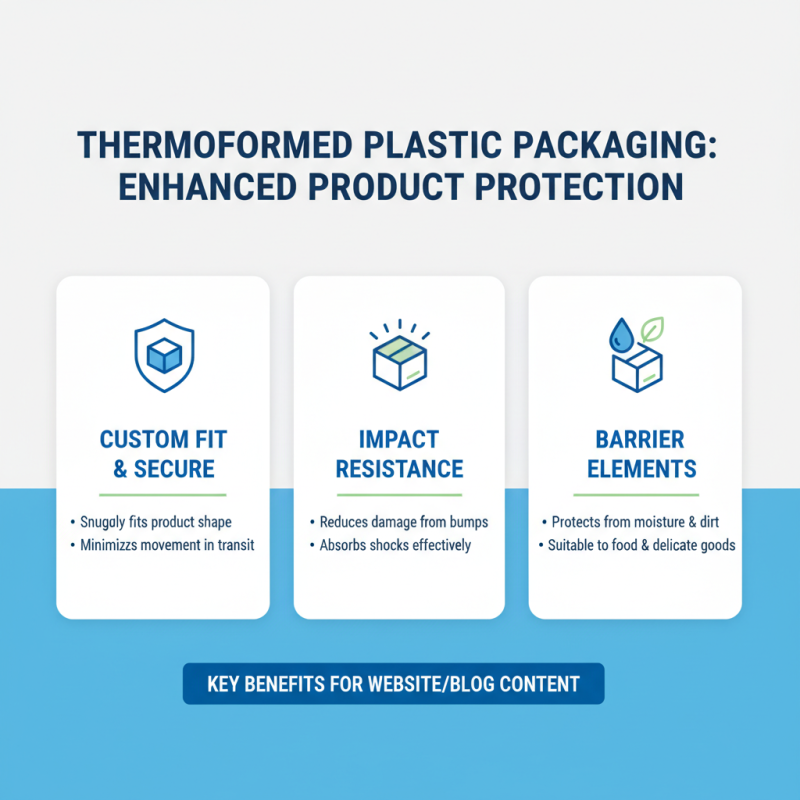
Thermoformed plastic packaging offers significant advantages, particularly in enhancing product protection. This packaging method creates custom shapes that snugly fit products, minimizing movement during transport. As a result, items inside are less likely to suffer damage from impacts. In addition, the material’s durability helps prevent moisture and contamination, which is crucial for food products and delicate items.

Another benefit is the extended shelf life that thermoformed designs provide. By tightly sealing products, these packages reduce exposure to air and light, two factors that can degrade quality. Certain food items, for example, can remain fresh longer, allowing businesses to reduce waste. However, this technology is not without challenges. The process can be energy-intensive, raising questions about sustainability. Finding a balance between protective benefits and environmental impact is essential for future developments.

Click to access the login or register cheese
Scroll to Top

Request a Quote

Call 815-281-5297 now to speak directly with an Algus expert or fill out the form below.