Top 10 Benefits of Using Tray Sealer Packaging Machine?
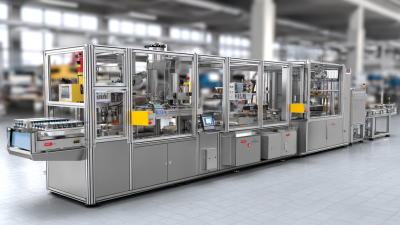
In today’s fast-paced world, packaging efficiency is vital for businesses. The tray sealer packaging machine is becoming an essential tool in various industries. This innovative device offers numerous advantages that can enhance productivity and streamline operations.
The use of a tray sealer packaging machine ensures that products remain fresh and visually appealing. It provides a tight seal, protecting items from contamination and spoilage. This feature is crucial for food businesses striving to maintain quality. Additionally, the machine’s speed can significantly reduce packaging times, allowing companies to meet high demand while minimizing labor costs.
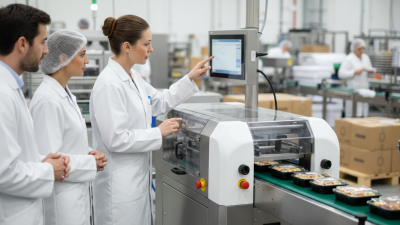
Despite its many benefits, some companies may overlook the importance of proper training for staff. A poorly operated tray sealer packaging machine can lead to wasted materials and inefficient practices. It’s essential for businesses to invest in appropriate training programs. Investing in technology is not without challenges. However, the rewards of improved packaging processes make this equipment worth considering.
Benefits of Enhanced Product Shelf Life with Tray Sealers
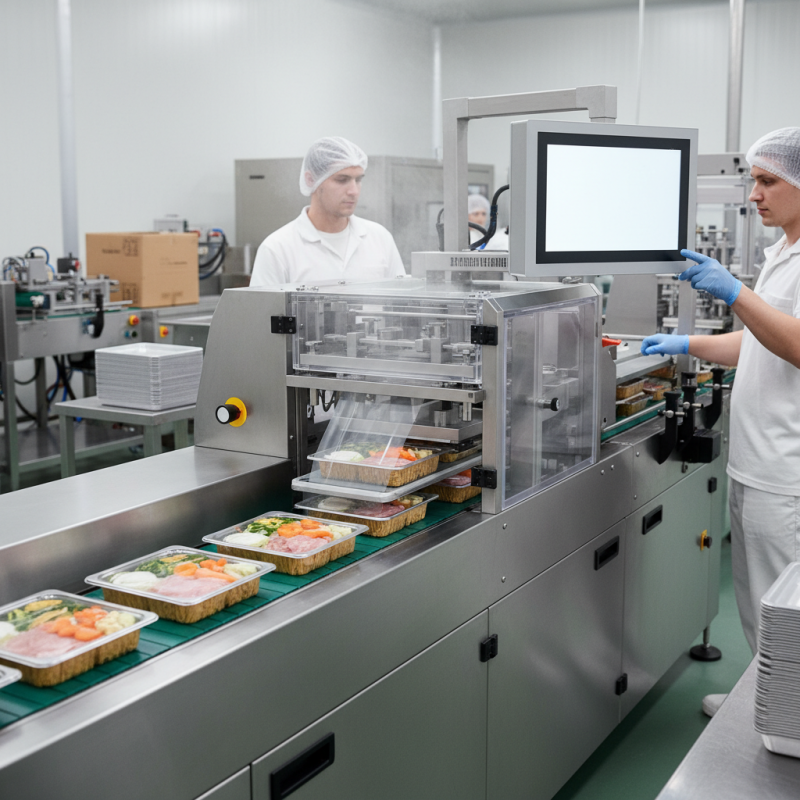
The use of tray sealer packaging machines significantly enhances product shelf life. These machines create a tight seal around food products, preventing air and moisture from spoiling them. As a result, meats, cheeses, and fruits can stay fresh much longer. This is crucial for minimizing waste in both retail and home settings.
Additionally, tray sealers help maintain the quality of food. Flavor, texture, and color are preserved better compared to other packaging methods. It's fascinating to think about how a simple machine can make such a difference in keeping foods appealing. However, not all foods are suitable for tray sealing, which may lead to unexpected disappointments.
Furthermore, using these machines can increase operational efficiency. They automate the sealing process, reducing manual labor. But, there can be learning curves in getting the settings just right. This can lead to initial hiccups that require adjustments. The balance between efficiency and perfection in sealing needs careful consideration.
Top 10 Benefits of Using Tray Sealer Packaging Machine
Cost-Effectiveness: Reducing Waste and Improving Profit Margins
Cost-effectiveness in packaging is crucial for businesses today. A tray sealer packaging machine can significantly reduce waste. It uses precise sealing technology, which minimizes excess material. This leads to lower production costs. Businesses see an improvement in profit margins as a result.
Moreover, these machines enhance efficiency. They ensure a more reliable sealing process, which prevents spoilage. Spoiled goods lead to losses, affecting the bottom line. However, not all machines are easy to operate. Training might be necessary, incurring additional costs. Businesses must weigh their options carefully. An incorrect choice could negate any savings.
Utilizing a tray sealer also allows for better portion control. This is key in avoiding overpackaging. Yet, one must consider the initial investment in the machines. The upfront cost might seem daunting. However, the long-term savings are often worthwhile. Reflecting on these factors can help businesses make informed decisions.
Automation and Efficiency: Streamlining Packaging Processes with Tray Sealers
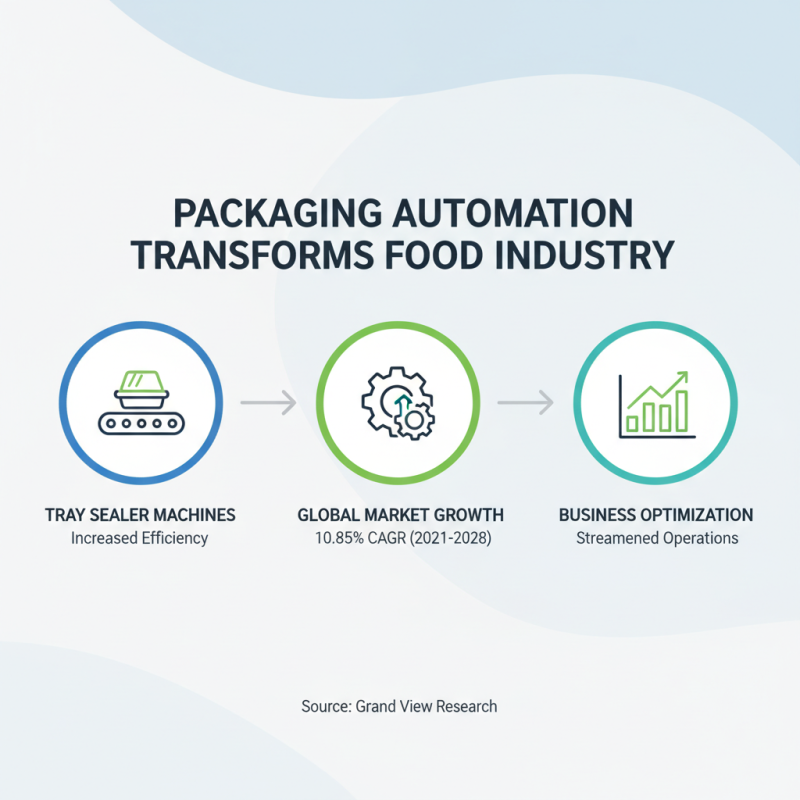
The use of tray sealer packaging machines has transformed the packaging landscape, especially in the food industry. Automation and efficiency are paramount in today's market. A report by Grand View Research states that the global packaging automation market is expected to grow at a CAGR of 10.85% from 2021 to 2028. This growth highlights the increasing need for businesses to streamline their operations.
Tray sealers can significantly reduce labor costs. They automate the sealing process, cutting down the time required for packaging. For example, in high-demand environments, manual sealing can take an average of 2-3 minutes per tray, while automated machines can complete the task in less than 30 seconds. This efficiency not only speeds up production but also enhances overall productivity.
Maintaining product quality is another crucial aspect. Tray sealers provide consistent sealing, reducing the risk of contamination. That said, businesses must also consider the training required to operate these machines effectively. Ensuring that staff are skilled is vital. Human error, particularly during handovers, can lead to production delays. Regular maintenance is equally important; neglect can lead to machinery malfunction, and downtime can be costly.
Improved Food Safety: Ensuring Hygiene and Reducing Contamination Risks
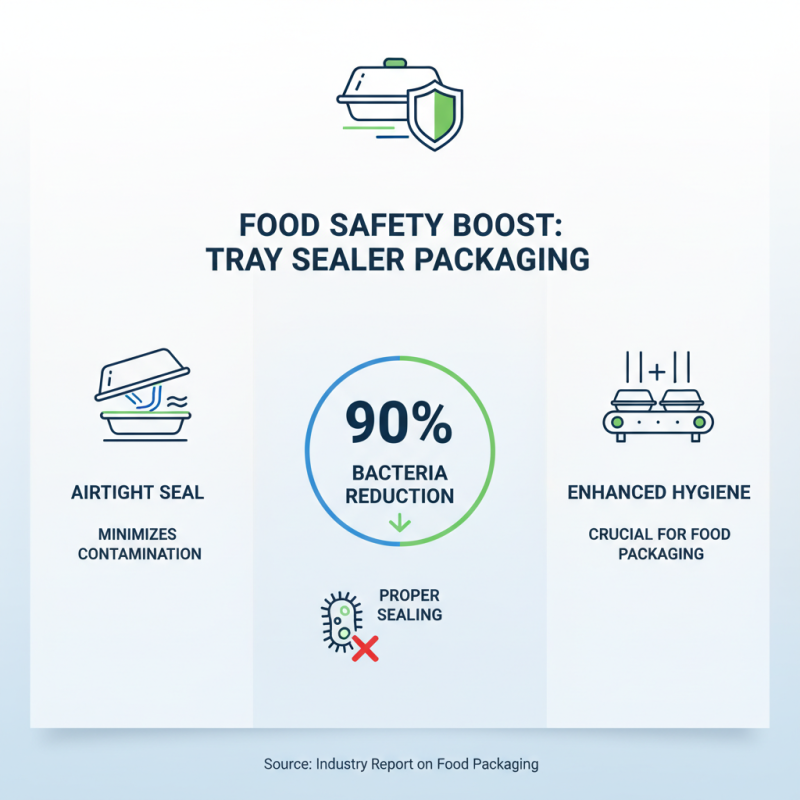
Tray sealer packaging machines enhance food safety significantly. These machines create a tight seal around food products, minimizing the chance of contamination. A recent industry report stated that proper sealing can reduce bacterial contamination by up to 90%. This statistic highlights the importance of maintaining hygiene in food packaging.
Ensuring that food remains uncontaminated is essential. With consumer health at stake, the role of tray sealers becomes crucial. Even small lapses in hygiene during packaging can lead to significant health risks. In fact, foodborne illnesses affect millions annually. Thus, food producers must invest in efficient packaging solutions that improve safety.
Tip: Regular maintenance of tray sealers is vital for optimal performance. Neglecting this can lead to subpar sealing and increased contamination risks. Another point to consider is the training of staff operating the machines. Proper training ensures they follow best practices, reducing risks further. Consider reviewing safety protocols often to improve overall hygiene standards.
Versatility of Tray Sealers: Adaptability Across Various Industries and Products
Tray sealers are becoming increasingly popular across various industries. Their adaptability makes them an essential tool in packaging. These machines accommodate numerous tray sizes and shapes. From food products to pharmaceuticals, their versatility shines. For example, a tray sealer can package fresh produce, ensuring a longer shelf life. This flexibility enables businesses to meet diverse customer needs.
Moreover, various sectors benefit from tray sealing technology. The healthcare industry uses these sealers for safe packaging of medical devices. Retailers can easily package snacks and meals, enhancing presentation. Yet, not every product fits perfectly. Some items might need custom trays, requiring extra effort. This can lead to additional costs and time in production.
The ability to shift between applications is vital. Companies are interested in seamless transitions. However, there can be challenges in ensuring quality across different products. Proper training on machine use is necessary. Without it, mistakes can happen. Adapting to multiple products is a continuous learning process. Each industry has unique requirements, demanding constant reflection and adjustment.