
10 Best Packaging Equipment Manufacturers for Global Buyers
Choosing packaging equipment is a production decision, not just a purchase. A filler may run smoothly during a demonstration yet struggle with a sticky product, frequent changeovers, or limited floor space. Small details matter: washdown access, spare-part availability, and how quickly operators can clear a jam.
Industry data points to a changing market. PMMI’s 2024 State of the Industry report put U.S. packaging machinery shipments at about $10.2 billion in 2023, up roughly 5.8% from 2022. PMMI’s 2023 Global Packaging Machinery Market analysis also projected continued global growth through 2027. These figures suggest steady investment, but they do not guarantee that every buyer needs a faster line. Sometimes, a simpler machine is the better fit.
This guide introduces 10 packaging equipment manufacturers for global buyers, from established suppliers to specialists. It considers machine range, automation capabilities, service access, and suitability for different production needs. Those points matter when comparing a compact labeling system with a complete filling and case-packing line. A shortlist cannot replace a plant trial. Nor can a polished brochure answer every maintenance question. And the fit is rarely perfect. Buyers should verify specifications, local support, and integration requirements directly with each manufacturer before committing.
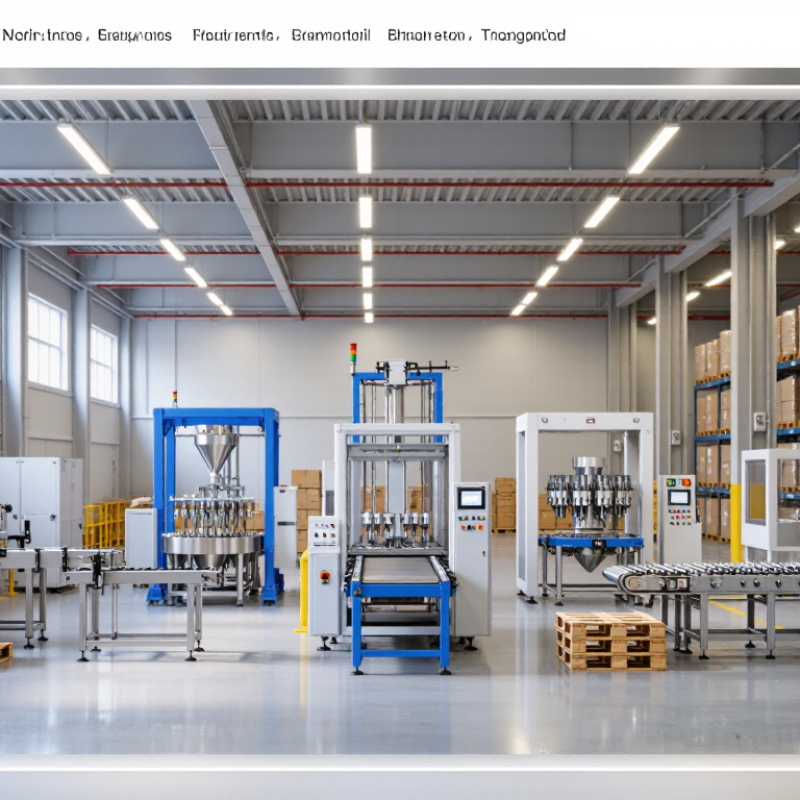
Packaging Equipment and Its Role in Global Manufacturing
Packaging equipment keeps global manufacturing moving from filled containers to shipment-ready cartons. A line may include fillers, cappers, labelers, checkweighers, and case packers. When these machines work in sequence, plants protect product quality and respond to changing order volumes. Small details matter: a misaligned label sensor can slow an entire shift. Reliable equipment also supports repeatable dosing, cleaner changeovers, and useful production records. Not glamorous. Essential.
For global buyers, equipment must fit local production conditions, not just a brochure’s stated speed. Consider package sizes, available floor space, operator training, spare-parts access, and the time needed to switch between products. Ask suppliers to run trials using your actual containers and materials. Review cleaning access and maintenance points in person when possible. A fast machine is less valuable if frequent adjustments keep it idle. Still, no line is perfect; even a well-planned system needs monitoring and occasional tuning.
Tips: Before choosing a line, map each handoff from filling to packing. Check where jams occur, how quickly parts can be replaced, and whether operators can read controls clearly. Record trial results, including changeover time and rejected units. These details make comparisons more useful than headline speed alone.
10 Best Packaging Equipment Manufacturers for Global Buyers - Packaging Equipment and Its Role in Global Manufacturing
| Equipment Specialization | Typical Machine Function | Common Packaging Formats | Typical Applications | Key Considerations for Global Buyers |
|---|---|---|---|---|
| Vertical form-fill-seal equipment | Forms a bag from a roll of flexible packaging film, fills it with product, and seals it. | Pillow bags, gusseted bags, and some stand-up pouch formats | Snacks, coffee, grains, powders, and frozen foods | Check film compatibility, product feeding method, bag dimensions, and availability of local service. |
| Horizontal flow-wrapping equipment | Wraps individual products in a continuous film web and seals the package. | Flow wraps and fin-seal packs | Bakery items, confectionery, household products, and medical devices | Confirm product-size range, required infeed arrangement, changeover needs, and applicable food-contact requirements. |
| Thermoforming packaging equipment | Heats and forms a plastic web into cavities, loads products, and seals a lidding material. | Trays, blisters, and vacuum or modified-atmosphere packs | Fresh foods, meat, cheese, medical products, and consumer goods | Evaluate forming depth, material options, tooling requirements, and the intended sealing or vacuum process. |
| Liquid filling and capping equipment | Measures and dispenses liquids into containers, with optional container handling and closure application. | Bottles, jars, and other rigid containers | Beverages, personal care products, household liquids, and selected chemical products | Match the filling method to product viscosity and foaming behavior; verify container and closure specifications. |
| Aseptic filling and packaging equipment | Fills product and packaging under controlled sterile conditions as part of an aseptic process. | Cartons, bottles, pouches, and other compatible formats | Long-life beverages and selected liquid foods or pharmaceutical products | Review process validation, sterile-zone design, cleaning procedures, packaging compatibility, and regulatory requirements. |
| Cartoning equipment | Forms or loads cartons, inserts products, and closes the cartons. | Folding cartons and tuck-end cartons | Food, cosmetics, pharmaceuticals, and consumer products | Confirm carton specifications, product orientation, insert handling, serialization needs, and integration with upstream machines. |
| Case packing equipment | Groups products and loads them into shipping cases, either automatically or with operator assistance. | Corrugated cases and trays | Bottled goods, packaged foods, personal care products, and household goods | Check case style, pack pattern, product stability, available floor space, and connection to case sealing equipment. |
| Palletizing equipment | Arranges cases or other unit loads into a planned pattern on pallets. | Cases, trays, bags, and selected containers | Warehousing and distribution operations across food, beverage, and consumer-goods manufacturing | Specify pallet dimensions, load pattern, payload, guarding, and compatibility with conveyors and warehouse systems. |
| Labeling equipment | Applies labels to products or packages, with options for printing and verification. | Pressure-sensitive labels, wraparound labels, and selected sleeve formats | Bottles, jars, cartons, and packaged consumer goods | Verify label material and dimensions, container shape, placement accuracy, coding requirements, and changeover procedure. |
| Inspection and checkweighing equipment | Checks packaged products for specified weight or detectable foreign material, depending on the system configuration. | Packaged products on conveyor-based production lines | Food, pharmaceuticals, and other products requiring in-line quality checks | Define the inspection task, product and package characteristics, line speed, reject handling, and recordkeeping needs. |
Equipment capabilities vary by configuration. Confirm product, package, throughput, compliance, installation, and service requirements directly with qualified suppliers before purchase.
Related Posts
-
Why Is Packaging Equipment Essential for Global Buyers?
-
10 Tips for Choosing Packaging Equipment?
-
Top 10 Packaging Machinery for Efficient Production Solutions?
-
How to Optimize Your Production Line with a Tray Sealer Packaging Machine
-

Top 10 Food Packaging Machines You Should Know in 2023
-
How to Choose the Best Plastic Tray Sealing Machine for Your Business