2026 Best Packaging Machine Solutions for Global Buyers?
In the dynamic world of manufacturing, selecting the right packaging machine is crucial. For global buyers, 2026 presents an array of innovative solutions that promise efficiency and reliability. These machines vary in design and functionality, catering to diverse industries such as food, pharmaceuticals, and consumer goods.
Understanding the unique needs of each sector is vital. Not all machines will fit every operation. As a buyer, your goal is to find a packaging machine that maximizes productivity while maintaining quality. With technology advancing rapidly, staying informed is key. New features emerge constantly, making it challenging yet exciting.
While many options exist, not every machine will meet your expectations. Some may lack support or have hidden costs. Evaluating potential suppliers can make a difference. This journey is not just about purchasing; it’s about building partnerships that last. Ultimately, the right choice will reflect your commitment to excellence in packaging.
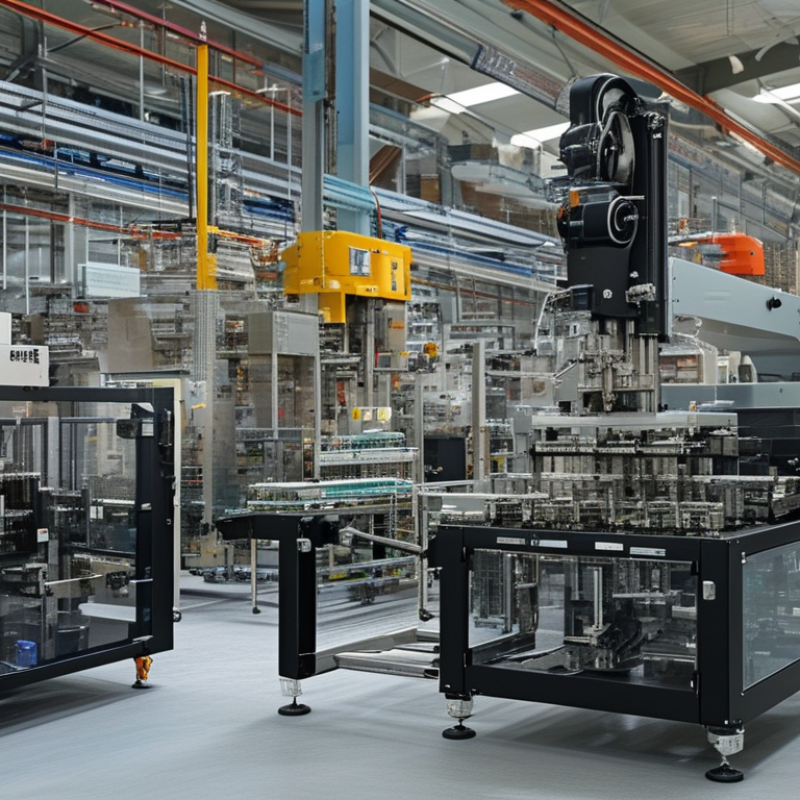
Key Trends in Packaging Machinery for 2026 Global Market
As the packaging machinery market evolves, several key trends are shaping its future. Industry reports indicate that automation and smart technologies will drive innovation in 2026. For instance, approximately 40% of manufacturers are expected to integrate AI and IoT into their operations by the end of 2025. This shift could enhance efficiency and reduce downtime.
Sustainability continues to be a major focus. The global demand for eco-friendly packaging solutions has surged. Data shows that 45% of consumers prefer brands that use sustainable packaging. In response, companies are adopting biodegradable materials and reducing plastic usage. However, challenges remain in sourcing alternatives that meet both durability and cost-effectiveness.
The need for customized solutions is growing. Many businesses seek machinery that adapts to diverse product lines and packaging types. Reports suggest that 30% of manufacturers are investing in flexible packaging technology to meet varying consumer demands. Yet, balancing customization with production efficiency can be complex. Manufacturers will need to refine their processes to stay competitive.
Innovative Technologies Shaping the Future of Packaging Solutions
As we approach 2026, the packaging industry evolves at an unprecedented pace. Innovative technologies are now at the forefront, reshaping the future of packaging solutions. Automation plays a crucial role, streamlining processes and enhancing efficiency. Robotics in packaging allows for rapid production, yet firms must evaluate the initial investment and long-term benefits.
Sustainability is another critical aspect. Many companies are transitioning towards eco-friendly materials. Biodegradable options are gaining traction, but their performance still requires improvement. This inconsistency poses challenges for global buyers who want reliable solutions without sacrificing environmental responsibility.
Smart packaging technologies are emerging. These solutions incorporate IoT and sensors to monitor product quality. They provide real-time data but come with complexities in implementation. Companies must navigate compatibility with existing systems, which can be a daunting task. Finding the right balance between innovation and practicality remains essential for future growth.
Top Packaging Machine Manufacturers to Consider in 2026
In 2026, the packaging machine industry will continue to evolve, offering innovative solutions for global buyers. As sustainability becomes more crucial, manufacturers are focusing on eco-friendly materials and efficient designs. Buyers should look for machines that reduce waste while maintaining high performance. Understanding each manufacturer’s approach to sustainability can lead to smarter purchasing decisions.
Choosing the right packaging machinery is complex. It requires consideration beyond just price. Factors like ease of use, maintenance requirements, and technical support are essential. Manufacturers vary in their customer service approaches. Some may excel in machine reliability but fall short in post-purchase support. Evaluating these aspects fosters trust and reliability in operational performance.
Moreover, many manufacturers face challenges. Adapting to rapidly changing regulations can be daunting. The rise of automation also poses a question about labor dynamics. Addressing these issues will be vital for manufacturers in 2026. Buyers need to be proactive in asking the tough questions. They should seek clarity about how these challenges are managed. Open discussions with prospective suppliers can reveal hidden insights into their operational philosophies.
Cost-Effectiveness and ROI of Modern Packaging Machines
Modern packaging machines are crucial for enhancing cost-effectiveness in production. Businesses are looking to maximize their return on investment (ROI). A reliable machine not only improves efficiency but also reduces waste. When every second counts, these machines ensure faster processing and packing of products.
Investing in high-quality packaging solutions can seem daunting. Initial costs may be high, but the long-term benefits can outweigh these expenses. With better technology, machines tend to require less maintenance. This not only reduces repair costs but allows for uninterrupted production. It's essential to evaluate the total cost of ownership over the machine’s lifespan.
Yet, not all machines fit every business. Different industries have specific needs. Adapting to those needs can be a struggle. A machine might perform well initially but fail to adapt as market requirements change. Regular assessments of performance can help in making needed adjustments. Investing time in research can lead to more informed decisions, ensuring that a company remains competitive.
Sustainability Practices in Packaging Technology for Global Buyers
Sustainability is becoming essential in packaging technology. Companies face pressure to reduce their carbon footprint. Many are turning to eco-friendly materials and energy-efficient processes. These innovations not only help the environment but can also save costs.
Recyclable and biodegradable materials are key trends. Bioplastics made from plants are gaining attention. They offer a sustainable alternative to traditional plastics. However, challenges remain. The supply chain must evolve to support these materials effectively. Companies must ensure that these bioplastics perform well in real-world applications.
It’s also crucial to evaluate packaging machinery. Many machines now use less energy during operation. Yet, some are still not optimized for sustainability. Regular assessment of these systems can identify areas for improvement. The industry must strive for continuous enhancement in sustainability practices. The path is not perfect, but the progress is encouraging.
