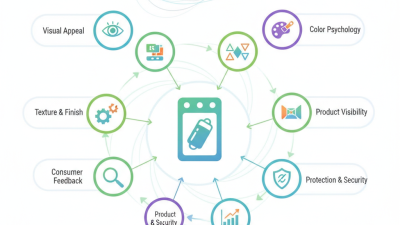
Why Are Blister Packaging Materials Essential for Product Protection?
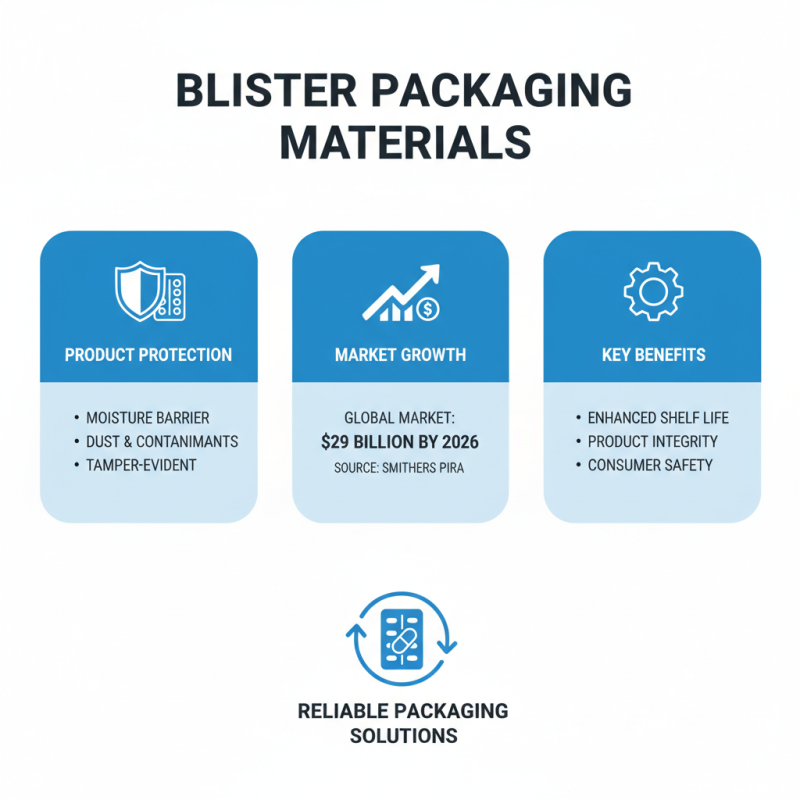
Blister packaging materials play a crucial role in product protection across various industries. The global blister packaging market is expected to reach $29 billion by 2026, according to a recent report by Smithers Pira. These materials ensure the integrity of products while providing convenient user access. As stated by industry expert Dr. Emily Carson, "The right blister packaging can reduce costs while enhancing product safety."
Many consumer products, such as pharmaceuticals and electronics, rely on blister packaging to prevent contamination and damage. Effective packaging design can significantly reduce spoilage rates. However, not all blister materials are created equal. Some manufacturers still use outdated practices that compromise product security.
While blister packaging offers many advantages, challenges remain in sustainability and material choice. A shift towards eco-friendly materials is necessary. As the demand for sustainable options grows, the industry must adapt and innovate. Understanding the importance of high-quality blister packaging materials is essential for businesses committed to protecting their products and meeting consumer expectations.

Understanding Blister Packaging Materials: An Overview
Blister packaging materials play a crucial role in product protection. These materials provide a secure barrier against moisture, dust, and other environmental factors. According to a study by Smithers Pira, the global market for blister packaging is expected to reach $29 billion by 2026. This growth highlights the industry's emphasis on developing effective and reliable packaging solutions.
Blister packaging is often made from materials such as PVC, PET, and aluminum. Each material offers unique advantages. For example, PVC is highly versatile and cost-effective, while aluminum provides excellent protection against light and oxygen. However, the choice of material must also consider environmental impact. The push for sustainable packaging solutions is becoming increasingly important. Consumers are demanding eco-friendly options, prompting manufacturers to rethink their materials. Sometimes, the most efficient material may not be the most sustainable, creating a dilemma.
Proper design is just as vital as the materials used. A well-designed blister pack ensures product security and enhances user experience. An insufficient design can lead to product damage or user frustration. Research indicates that 30% of packaging failures stem from poor design choices. This statistic underscores the need for careful consideration in the design stages, ensuring that both protection and usability are achieved.
The Role of Blister Packaging in Safeguarding Products
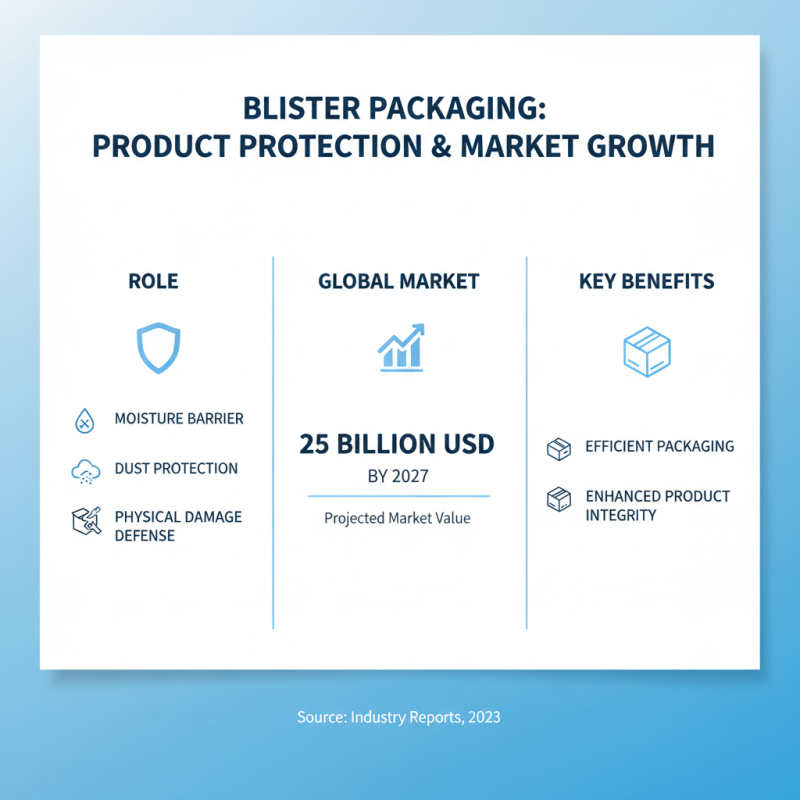
Blister packaging plays a crucial role in protecting products. It provides a barrier against moisture, dust, and physical damage. According to industry reports, the global blister packaging market is projected to reach 25 billion USD by 2027. This growth reflects the demand for efficient packaging solutions.
The design of blister packs allows for visibility while ensuring durability. The materials used, like PVC and PET, are effective at protecting items from external threats. A study indicated that products using blister packaging experience 30% less damage during transportation than those in traditional packaging. However, not all blister packs are created equal. Imperfect seals can lead to contamination.
Environmental concerns challenge blister packaging's effectiveness. While it protects items well, the plastic waste it generates is significant. Research shows that about 30% of blister packaging ends up in landfills. Companies must reflect on sustainable options. Increasing the recyclability of materials could offer a solution while maintaining product safety. The balance between protection and sustainability remains an ongoing challenge for the industry.
Types of Blister Packaging Materials and Their Benefits
Blister packaging materials play a pivotal role in protecting products. They offer various types that cater to different requirements. Thermoforming, for instance, provides a strong and durable option. Manufacturers often choose polyvinyl chloride (PVC) and polyethylene (PE) for their flexibility and strength. According to a recent market report from Smithers Pira, the global blister packaging market is projected to reach over $30 billion by 2026.
Another option is cold-formed aluminum blister packaging, which is particularly effective for pharmaceuticals. This type of packaging protects sensitive products from moisture and light. Data indicates that around 70% of pharmaceutical companies are shifting towards this material due to its superior barrier properties. However, there are challenges, like higher manufacturing costs, that need consideration.
Eco-friendly alternatives are emerging as well. Materials like recycled PET and biodegradable films are gaining traction. They meet growing consumer demands for sustainable options but may have limitations on protection compared to traditional options. Balancing product safety with sustainability invites further discussions and innovations. The landscape of blister packaging is evolving rapidly, and the search for optimal solutions continues.
Why Are Blister Packaging Materials Essential for Product Protection? - Types of Blister Packaging Materials and Their Benefits
| Type of Blister Packaging |
Material Used |
Benefits |
Common Applications |
| Thermoforming Blister |
PVC, PET, PS |
Lightweight, Durable, Customizable |
Pharmaceuticals, Electronics |
| Cold Forming Blister |
Aluminum foil, PVC |
Moisture-resistant, Tamper-proof |
Tablets, Capsules |
| Rigid Blister |
APET, GAG |
Enhanced protection, High clarity |
Consumer Goods, Food Packaging |
| Skin Packaging |
PVC, PET |
Optical quality, Displays product |
Retail, Automotive Parts |
| Flexible Blister |
Polyethylene, Polypropylene |
Cost-effective, Lightweight |
Small Consumer Products, Tools |
Key Factors in Choosing the Right Blister Packaging
When selecting blister packaging, there are several key factors to consider. Material choice is critical. The right plastic can shield products from moisture and contamination. For instance, PVC is often used for its clarity and durability. However, it may not be the best option for heat-sensitive items. Alternatives like PET might better serve those products, balancing protection and visibility.
Design is another essential aspect. The shape and size of the blister must fit the product snugly. This minimizes movement during transit, reducing damage risk. Additionally, consider sealed edges. A tight seal prevents tampering and keeps the product safe. Yet, overly complex designs might complicate the packaging process.
Lastly, think about sustainability. Eco-friendly materials are gaining traction. Choosing recyclable options can reduce your environmental footprint. Moreover, consumers are more inclined to support brands that prioritize sustainability. This mindful choice reflects well on your brand's image. Balancing protection, cost, and eco-friendliness can be a challenging task, but it is crucial for long-term success.
Importance of Blister Packaging Materials for Product Protection
Environmental Considerations in Blister Packaging Solutions
Blister packaging is widely recognized for its ability to protect products. However, we often overlook its environmental impact. The materials used in blister packs can contribute significantly to waste. Traditional plastics take hundreds of years to decompose. This longevity poses a challenge for our planet.
Recyclability is a crucial aspect of blister packaging that needs attention. Not all materials are recyclable, which can lead to increased landfill waste. Seeking sustainable alternatives is essential. Some manufacturers are now experimenting with biodegradable materials. These innovations show promise but need broader acceptance.
Consumer awareness is also vital. Many people are unaware of the environmental footprint of blister packaging. Education campaigns can drive change. By understanding the impact, consumers can make better choices. The conversation should include a focus on reducing consumption. Reflecting on these issues can inspire responsibility in packaging design.