China Top 10 Blister Packaging Materials Suppliers?
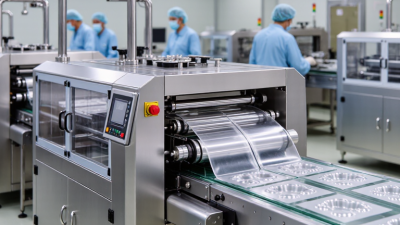
China’s blister packaging industry serves pharmaceutical, medical, food, and consumer product manufacturers worldwide. This guide explores ten leading Chinese suppliers of blister packaging materials, focusing on practical purchasing concerns rather than impressive claims alone.
The review considers aluminum foil, PVC, PVDC-coated film, PET, PP, and sustainable alternatives. It examines material consistency, barrier performance, printing quality, customization, production capacity, and export experience. Some suppliers specialize in pharmaceutical blister packs. Others support food trays, electronic components, or retail products. Their equipment, certifications, testing systems, and customer support also matter.
Small details can reveal major differences. A reliable supplier should provide clear thickness tolerances and batch records. Sample rolls should remain stable during forming, sealing, and transportation tests. Ask how the supplier controls pinholes, moisture transmission, and adhesive bonding. Factory audits can show more than a polished website.
Certifications help, but they are not the entire story. ISO documentation may look complete while communication remains slow. A low quotation may hide higher tooling, shipping, or inspection costs. This is worth checking.
This article compares ten potential suppliers through an evidence-based lens. It highlights strengths, limitations, typical applications, and questions buyers should ask before placing an order. Rankings can change as factories improve, regulations develop, and market conditions shift. Therefore, readers should verify current certifications, technical data, lead times, and compliance requirements directly with each supplier.
The right choice depends on more than price. Product sensitivity, shelf-life targets, forming temperature, sealing equipment, and destination-market standards all influence the final decision. A careful comparison can reduce material waste, packaging failures, and unexpected delays.
What Is Blister Packaging and Why Does Supplier Selection Matter?
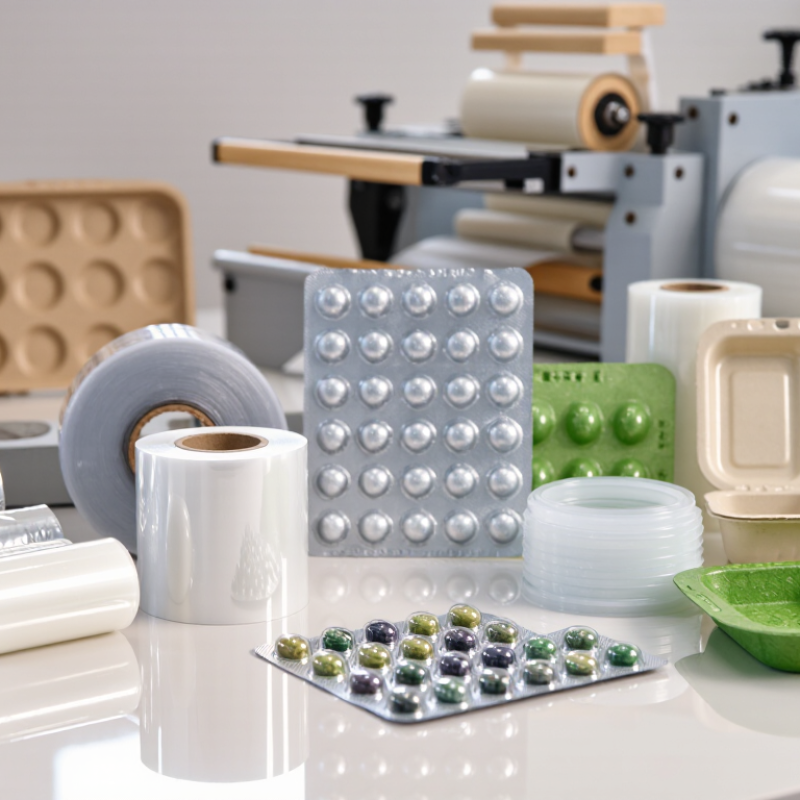
Blister packaging holds a product inside a formed pocket, usually sealed to a backing such as foil or paperboard. The pocket may be clear plastic, so shape, thickness, and appearance are easy to inspect. Some packs also use barrier materials to limit moisture, oxygen, or light. The right construction depends on what is being packed and how it will be stored, shipped, and opened. There is no universal best material.
Supplier selection matters because small material differences can affect sealing, product protection, and production speed. A pocket that looks neat on a sample may crack during forming or fail to seal consistently on a packaging line. Ask for material specifications, test results, and samples made to the intended dimensions. Then check them on the actual equipment, including seal strength and fit. Watch for batch variation, too. A smooth trial run can be misleading; longer runs may reveal uneven thickness or inconsistent sealing. I would not judge a supplier by a glossy sample alone. Useful questions include how materials are inspected, how defects are handled, and whether specifications can be maintained across repeat orders. The answers should be clear and supported by records, not just confident promises.
China Top 10 Blister Packaging Materials Suppliers? — What Is Blister Packaging and Why Does Supplier Selection Matter?
Typical thickness ranges for selected blister-packaging materials
Blister packaging combines a formed cavity with a lidding layer to protect and display a product. Material choice affects forming, sealing, protection, and end-of-life handling. The ranges shown are indicative commercial gauges, not universal specifications; actual thickness varies by grade and application. Compare supplier technical data sheets and validate performance for your product.
Key Materials Used in Blister Packaging Production
Key Materials Used in Blister Packaging Production
Blister packaging combines a formed plastic cavity with a backing material. The plastic holds each item in place, while the backing helps protect it and supports clear labeling. Common choices include PVC, PET, and polypropylene. Each behaves differently during heating, forming, and sealing, so material selection should match the product and production equipment.
PVC is widely used because it forms readily and offers good visibility. PET can provide a clear, sturdy cavity and may suit applications that need different strength or appearance. Polypropylene tolerates heat well, but forming it consistently can require careful process control. Details matter. Even a small change in sheet thickness can affect cavity shape and sealing. Aluminum foil is often used as a backing when a strong barrier against moisture or light is needed. Paperboard may provide a printable, rigid backing, depending on the package design.
There is no single best material for every blister pack. A practical evaluation considers product sensitivity, handling, storage conditions, seal quality, and end-of-life options. Suppliers should provide technical specifications and sample materials for testing. The less tidy part is that lab results may not perfectly reflect a busy production line. Real production trials can reveal issues that a datasheet misses.
How to Evaluate China’s Blister Packaging Material Suppliers
How to Evaluate China’s Blister Packaging Material Suppliers
China’s blister packaging market offers many choices, but a low quotation proves little. Fortune Business Insights valued the global blister packaging market at about USD 27 billion in 2023. Demand is rising, yet supplier quality remains uneven. A serious evaluation starts with material traceability. Ask for resin grades, aluminum alloy details, coating specifications, and batch records. The supplier should explain where each material originates. Vague answers are warning signs.
Request recent certificates, not marketing screenshots. For pharmaceutical applications, ISO 15378 quality systems, GMP controls, and applicable pharmacopoeial testing deserve close review. For food contact materials, verify declarations against the destination market’s rules. Independent laboratory reports should cover seal strength, oxygen transmission, moisture transmission, and pinhole inspection. ASTM and ISO test methods make comparisons more reliable. Test samples under real conditions. Heat, humidity, and transport vibration can expose failures that a factory sample hides.
Visit the production site when possible. Observe clean storage, humidity control, calibration labels, and rejected-material handling. Check whether operators record roll changes and machine settings. A supplier may pass an audit and still struggle with delivery consistency. That risk needs discussion. Review at least six months of quality and on-time delivery data, then confirm corrective-action records. Smithers reports continued growth in flexible and pharmaceutical packaging demand, increasing pressure on stable supply. Price matters, but repeatability matters more. I would also question my own assumptions: a polished factory tour is not proof of long-term performance. Trial orders, sealed samples, and independent retesting remain necessary.
China’s Top 10 Blister Packaging Material Suppliers
China’s Top 10 Blister Packaging Material Suppliers
Choosing among China’s leading blister packaging material suppliers takes more than comparing prices. Buyers should check material consistency, production capacity, and experience with specific packaging formats. A clear specification helps: include sheet thickness, forming temperature, required barrier properties, and acceptable color variation. Ask for recent test data and samples from normal production, not only polished sales samples. Small differences matter. A tray that forms cleanly on one line may warp on another.
Supplier audits can reveal details that brochures leave out. Review incoming-material checks, batch traceability, and how defects are recorded and corrected. Discuss delivery schedules, minimum order quantities, and packaging for shipment. For overseas projects, confirm that documents and test methods match the destination market’s requirements. Do not assume every supplier interprets “food-grade” or “high barrier” in the same way. Even a careful comparison can miss a production issue; pilot runs are useful before placing larger orders.
Tips: Compare samples using your own forming equipment, and record results by batch. Request written specifications, then check whether delivered material matches them. Shortlist suppliers on evidence, not claims alone.
China’s Top 10 Blister Packaging Material Suppliers
Material comparison for sourcing from China. Entries describe commonly supplied blister-packaging materials, not ranked or named companies. Specifications vary by grade and manufacturer; confirm compliance and performance with the supplier.
| No. |
Material |
Typical blister-packaging use |
Key characteristics |
Sourcing checks |
| 1 |
PVC film |
Thermoformed pharmaceutical and consumer-product cavities |
Clear, formable and widely used; moisture and oxygen barrier depends on thickness and construction. |
Check thickness, forming consistency, clarity and applicable product-contact requirements. |
| 2 |
PVDC-coated PVC |
Pharmaceutical blisters requiring improved barrier compared with uncoated PVC |
PVDC coating can improve moisture and gas-barrier performance; actual performance depends on coating weight and structure. |
Request barrier test data and verify coating side, coating weight and sealing compatibility. |
| 3 |
PET film |
Clear thermoformed blisters and retail packaging |
Good clarity and stiffness; grades and forming properties vary by application. |
Confirm grade, thickness, forming temperature range and suitability for the intended contact use. |
| 4 |
PP film |
Thermoformed packaging where polypropylene’s heat resistance or material properties are required |
Can be used in formed packs; processing and sealing depend on the specific grade and package design. |
Check forming performance, seal-layer construction and compatibility with the packaging line. |
| 5 |
PETG film |
Clear, thermoformed retail and medical-device packaging |
Often selected for clarity and forming characteristics; it is a glycol-modified copolyester. |
Verify grade, forming behavior, thickness tolerance and required regulatory documentation. |
| 6 |
Cold-form aluminum laminate |
High-barrier pharmaceutical blister cavities |
Multilayer laminate formed without heat; aluminum provides a strong barrier to light, moisture and gases when the pack is intact. |
Check layer structure, forming integrity, pinholes and compatibility with lidding foil. |
| 7 |
Push-through aluminum lidding foil |
Sealing the lidding side of pharmaceutical blister packs |
Typically uses a heat-seal lacquer matched to the forming web; the aluminum layer provides a barrier and a push-through opening surface. |
Confirm foil temper and thickness, lacquer compatibility, print requirements and seal parameters. |
| 8 |
Paperboard-backed blister material |
Retail carded blister packs for small consumer goods |
Printed paperboard is combined with a formed plastic blister; the board supports product information and display. |
Check board grammage, print quality, coating, blister attachment method and packaging recyclability in the target market. |
| 9 |
COC/COP film |
Specialized pharmaceutical or medical packaging applications |
Cyclic olefin polymers and copolymers are used where application-specific clarity, moisture-barrier or purity properties are needed. |
Request grade-specific data, regulatory declarations and validation evidence for the intended use. |
| 10 |
Aluminum barrier laminate for lidding or sachet-style components |
Barrier layers used in selected blister and unit-dose packaging constructions |
Multilayer structures combine aluminum foil with polymer layers; performance depends on the full laminate and seals. |
Specify layer structure, sealant, barrier targets and testing method; assess pack integrity after conversion. |
Applications, Quality Standards, and Purchasing Considerations
Blister packaging materials serve different needs across pharmaceutical, medical-device, and food applications. PVC-based films can suit products needing clear display and basic forming, while aluminum-based laminates offer stronger protection from moisture and light. The right choice depends on product sensitivity, shelf life, and packing equipment. Small details matter. A film that forms well on paper may crack at a tight corner on a production line.
When comparing China’s top blister packaging material suppliers, check documented quality controls and request recent test records. Useful checks include material thickness, seal strength, forming consistency, and barrier performance under stated conditions. For sensitive products, ask how suppliers assess extractables or material migration, and whether test methods match your intended use. Standards should be relevant to the application, not simply listed in a brochure. Ask for traceable batch records and samples from routine production, not only a specially prepared sample.
Purchasing teams should confirm minimum order quantities, lead times, storage conditions, and change-notification practices. Send suppliers clear specifications, including forming temperature, cavity depth, and required barrier levels. Then trial the material on your own equipment. A low quotation can look attractive, but uneven thickness may cause rejects or weak seals. I would not treat a polished certificate as proof of consistent performance; independent verification can still be worthwhile.