China Top 10 Spray Can Machinery Manufacturers?
China has become a major manufacturing base for aerosol packaging equipment and metal container production lines. This guide introduces ten notable Chinese manufacturers of Spray Can Machinery, focusing on practical capabilities rather than promotional claims. The evaluation considers machine design, production speed, forming accuracy, automation, after-sales support, and documented customer experience.
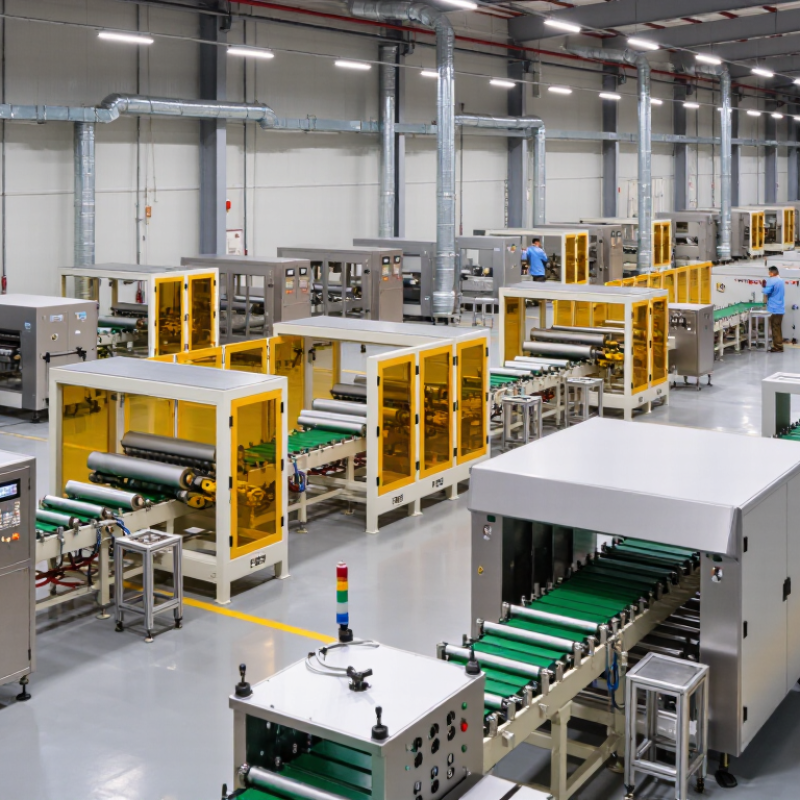
Readers will find equipment for can body forming, necking, flanging, welding, leak testing, coating, and end assembly. Some suppliers offer complete lines, while others specialize in individual machines or customized systems. A factory floor can reveal important details: clean cable routing, guarded moving parts, stable conveyors, and clear control-panel labeling. These small signs matter.
However, rankings in this sector are not permanent. Public information may be incomplete, product names can change, and performance depends on materials, operators, and production conditions. A supplier that suits a high-volume plant may not fit a smaller workshop. This article therefore encourages careful verification through factory audits, sample testing, technical drawings, certifications, spare-parts policies, and reference customers. Compliance with applicable safety, environmental, and packaging regulations should remain essential during every purchase decision. Prices alone cannot measure reliability. Neither can polished brochures. A realistic comparison should examine total ownership costs, installation support, maintenance access, and long-term operating stability. These manufacturers may offer strong value, yet buyers should still request evidence before making commitments. Mistakes happen. Good sourcing leaves room to question them.
What Is Spray Can Machinery and How Does It Work?
What Is Spray Can Machinery and How Does It Work?
Spray can machinery produces empty aerosol containers, not just filled cans. A typical line feeds metal sheets or coils into forming equipment. The metal is cupped, drawn, trimmed, and shaped into a seamless body. Other systems create welded three-piece cans. Necking and flanging then prepare the opening for the valve assembly.
Sensors check diameter, wall thickness, surface damage, and air leakage. Filling equipment later adds the approved product and propellant under controlled conditions. Grand View Research valued the global aerosol cans market at about USD 12.96 billion in 2023. Its report also projects roughly 4.5% annual growth from 2024 to 2030. Mordor Intelligence reports similar expansion, driven by demand for convenient packaging and recyclable metal formats. These figures show why precise machinery matters.
Tips: Match the line design to can diameter, metal grade, and planned output. Check tooling wear every shift. Small alignment errors can create large leakage rates. In practice, no production line stays perfect. Operators still need judgment, records, and repeated testing. A common mistake is measuring speed alone. Consistent forming quality matters more than a fast machine. Always verify equipment against current safety, pressure, and packaging requirements in the target market.
China Top 10 Spray Can Machinery Manufacturers? – What Is Spray Can Machinery and How Does It Work?
Spray can machinery forms, prints, assembles, fills, seals, and tests aerosol containers. The chart shows representative industry output ranges for major machine stages, expressed as cans per minute. Actual capacity varies according to can diameter, height, material, product formula, and automation level.
Criteria for Ranking China’s Top Spray Can Machinery Manufacturers
China Top 10 Spray Can Machinery Manufacturers?
Ranking Chinese spray can machinery manufacturers requires more than comparing factory size or advertised output. The key measure is verified performance. According to Grand View Research, the global aerosol cans market was valued at approximately USD 11.5 billion in 2023. This demand increases pressure on equipment suppliers to deliver stable, repeatable production.
The first criterion is technical capability. Buyers should examine forming speed, filling accuracy, seam quality, and changeover time. A supplier claiming 300 cans per minute should provide production records, not only brochure figures. Factory acceptance tests should measure scrap rates, machine availability, noise, and energy use. Small details matter. A loose guide rail can create thousands of defective cans over one shift.
Quality systems also deserve strong weighting. ISO 9001 certification supports process control, but it does not guarantee excellent machinery. Independent audits, traceable component records, and documented corrective actions offer stronger evidence. Energy performance should be reviewed against ISO 50001 principles, especially as manufacturers face rising operating costs. The ranking should also consider installation support, spare-parts response, software training, and service coverage outside China.
Export experience is another practical indicator. A reliable manufacturer should show anonymized records from comparable production lines and explain local compliance requirements. However, customer references can be selective. This is where rankings become imperfect. A high-speed machine may perform poorly with thinner material or frequent product changes. Therefore, weighted scoring should combine verified output, lifecycle cost, safety design, customization skill, and after-sales reliability, rather than accepting the lowest quotation.
Profiles of China’s Top 10 Spray Can Machinery Manufacturers
Profiles of China’s Top 10 Spray Can Machinery Manufacturers
China’s leading spray can machinery manufacturers serve demanding metal packaging markets. Their equipment commonly covers body forming, seam welding, coating, leak testing, and end assembly. The strongest profiles show practical factory experience, not only attractive brochures. Some build high-speed production lines with automated inspection. Others focus on compact machines for growing plants. Several provide tooling, installation, operator training, and remote diagnostics. These services can reduce production delays.
One manufacturer specializes in precision body-making systems with stable feeding and servo control. Another develops welding equipment designed for consistent seams and lower material waste. A third profile centers on internal and external coating lines, where even coverage matters. The fourth supplies automated testing units that detect leaks before shipment. The fifth combines conveying, stacking, and palletizing equipment for large facilities. A sixth focuses on flexible lines for different can sizes. The seventh is known for customized tooling and quick format changes. The eighth supports energy-conscious curing and drying systems. The ninth emphasizes digital monitoring, maintenance records, and traceable settings. The tenth provides integrated lines for customers seeking one technical partner.
Details matter. Inspect weld samples, safety guards, changeover time, and spare-part availability. Ask for documented test results. Factory visits reveal more than polished presentations. No supplier is perfect. A fast line may require higher maintenance discipline, while a flexible line may sacrifice speed. Buyers should compare actual output, rejection rates, service response, and compliance documentation before making a decision. Some published specifications also need careful verification.
Key Technologies and Product Features to Compare
When comparing China’s top ten spray can machinery manufacturers, examine the complete production line, not only its advertised speed. A reliable system should coordinate forming, welding, leak testing, coating, curing, and packing. Servo drives can improve positioning accuracy, while PLC control supports repeatable production. However, faster output may increase scrap if feeding remains unstable.
Measure the basics.
Material compatibility deserves close attention. Ask whether the machinery handles different steel thicknesses, can diameters, and coating requirements without lengthy adjustments. Tooling changes should be clear and practical.
A well-designed changeover uses labeled settings, accessible fixtures, and stored recipes. Small details matter. During factory evaluations, inspect weld seams under consistent lighting and check whether inspection cameras detect pinholes or distorted edges.
Safety and service quality also separate capable manufacturers from ordinary suppliers. Look for guarded moving parts, emergency stops, overload protection, and documented maintenance intervals. Leak-testing equipment should provide traceable results, not merely a pass-or-fail light. Energy use matters too; efficient curing ovens and compressed-air systems can reduce operating costs.
Review installation training, spare-part availability, remote diagnostics, and response times before signing a contract. One comparison mistake is trusting a polished demonstration. Request sample production using your actual materials and specifications. A short trial may reveal vibration, uneven coating, or difficult cleaning procedures. Reliability is proven on the factory floor.
How to Choose the Right Chinese Spray Can Machinery Manufacturer
How to Choose the Right Chinese Spray Can Machinery Manufacturer
Choosing a Chinese spray can machinery manufacturer requires more than comparing prices. Start with your can dimensions, material, production speed, and required automation level. Ask for a complete machine layout, not only a product brochure. Reliable manufacturers should explain forming, welding, coating, inspection, and packing processes clearly. Their engineers should also provide realistic output figures under defined conditions.
Visit the factory when possible. Check machining areas, assembly quality, testing records, and spare parts storage. Ask for references from companies with similar can sizes and production volumes. Request sample cans made with your materials. Measure wall thickness, seam quality, surface finish, and rejection rates. A low quotation may hide installation costs, tooling changes, or limited technical support. I once underestimated commissioning time in a machinery project. That mistake showed why a detailed acceptance plan matters.
Tips: Confirm electrical standards, safety guards, documentation, and operator training before signing. Include delivery milestones and performance tests in the contract. Check how quickly the supplier can replace sensors, dies, and wearing parts. Remote support is useful, but local service partners may reduce downtime. Do not select equipment only because it runs faster. Stable quality, transparent communication, and maintainable design usually protect your investment better. Some promises will sound impressive. Ask for evidence.
