How to Choose the Best Automatic Baler Machine at 2026 Canton Fair?
The 2026 Canton Fair presents a unique opportunity for buyers to find the best Automatic Baler Machine. This event will take place from April 15 to May 5. It will highlight advanced manufacturing, electronics, and machinery. With over 1.55 million square meters of exhibition space, navigating such a vast area can be overwhelming.
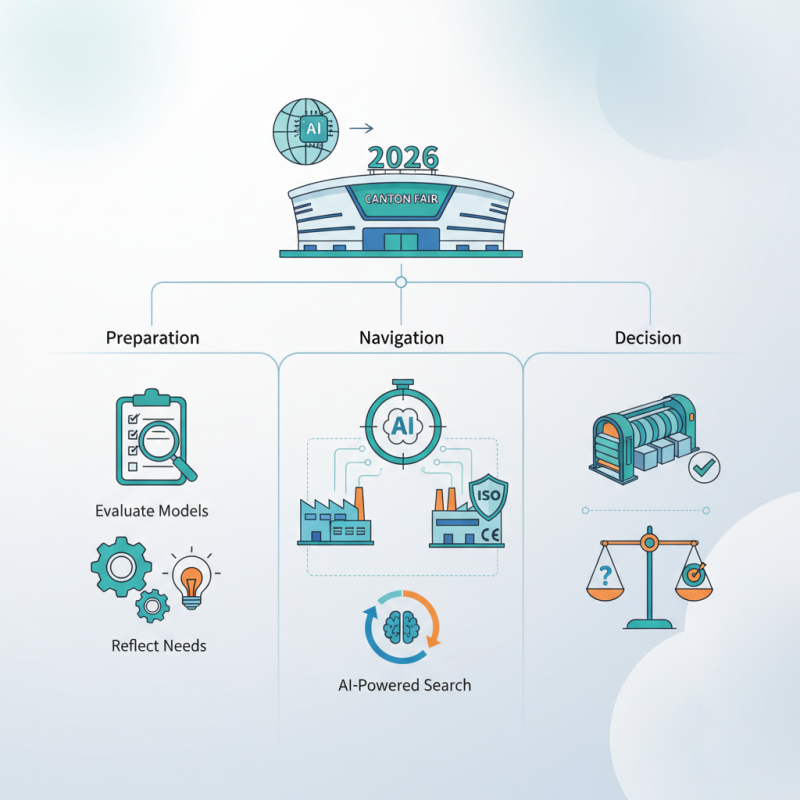
One exciting feature introduced this year is the AI-powered search and navigation system. Buyers can efficiently locate suppliers that meet specific qualifications, such as ISO and CE certifications. This innovation facilitates a quicker, more precise way to identify the right Automatic Baler Machine. Still, some may find it difficult to adapt to this new technology.
Selecting the ideal machine requires careful consideration of various factors. You must evaluate different models and their specifications. However, you could overlook crucial features that cater to your unique needs. Reflecting on your requirements and potential suppliers can help guide your decision in this complex environment.
Understanding the Different Types of Automatic Baler Machines Available
When choosing an automatic baler machine, it's crucial to understand the various types available. There are horizontal balers, vertical balers, and even fully automatic systems. Each serves distinct needs. Horizontal balers excel in high-volume operations. They process large quantities of material continuously. In contrast, vertical balers are compact and ideal for smaller spaces. They handle moderate volumes efficiently but may require more manual intervention.
Data shows that the global waste management market is projected to reach $474 billion by 2026. The rising demand for recycling solutions drives this growth. Many businesses are turning to balers for their efficiency. Automated systems now reduce labor costs and improve safety on the work floor. Industry reports highlight that 30% of facilities using automated balers experience significant productivity boosts. However, it’s essential to evaluate the material being processed—some balers handle specific types better than others.
Considering maintenance and reliability is also vital. An overlooked aspect can lead to costly downtime. While automatic systems can streamline operations, they may require specialized training for staff. Balers also vary in energy consumption. Investing in an energy-efficient model may seem costly upfront, but it often pays off in the long run. Assessing these factors can make the choice clearer.
Identifying Key Features to Look for in an Automatic Baler Machine
Choosing the best automatic baler machine is crucial for efficiency. The 2026 Canton Fair will showcase various models. Look for machines that enhance productivity and reduce waste. Understanding key features helps in making informed choices.
Tip 1: Assess the baler's capacity. You need to know how much material it can handle. Consider your operational needs. A machine with a larger capacity might be necessary for high-volume settings.
Tip 2: Check energy efficiency. Energy costs can add up. An energy-efficient baler saves money in the long run. Look for models that consume less power while delivering high performance.
Tip 3: Look for user-friendly controls. Sometimes, complicated interfaces slow down operations. Machines with intuitive designs make training and daily use easier. Ensure maintenance is straightforward too; complex machines often lead to downtime.
While evaluating this equipment, do not overlook the importance of durability. Not all models withstand heavy use. Research material quality to avoid frequent replacements. A reflective approach to your specific needs will guide you.
Evaluating Manufacturer Reputation and Customer Reviews
When choosing an automatic baler machine at the 2026 Canton Fair, reputation matters. Look for manufacturers with a solid history in the industry. Check their years of operation and the sectors they serve. Those who have been around longer often provide more reliable products. However, being established doesn't guarantee quality. Some companies may have outdated technologies that aren't efficient.
Customer reviews are invaluable. Seek feedback from previous buyers and users. These testimonials can reveal insights about performance, durability, and service. Look for common themes in the reviews. If many customers mention similar issues, those should raise red flags. Some reviews may feel overly positive, possibly due to incentives for writing them. Authentic feedback often includes both strengths and weaknesses.
Don't overlook the importance of local regulations and standards. Sometimes, manufacturers claim to meet certain criteria but fall short in practice. It's essential to align product specifications with your business needs. Investigate if the machine matches not just your current requirements but also future growth. This careful evaluation can prevent costly mistakes in the long term.
Automatic Baler Machine Features Evaluation
Comparing Costs and Budget Considerations for Your Purchase
When attending the Canton Fair in 2026, you will face numerous choices for automatic baler machines. Budgeting is crucial. Machines can vary significantly in price. Setting a clear budget helps narrow down options. Consider how much you can spend without compromising quality. Sometimes, a cheaper machine may lead to higher operational costs later.
Don't overlook additional costs. Shipping fees, installation, and maintenance add up quickly. Ask the suppliers for comprehensive quotes. Some might not include all expenses upfront. This can lead to financial strain later. It’s wise to plan for unexpected costs. If your budget is tight, think about buying a second-hand machine. Ensure it meets your requirements, though.
Reflect on your long-term needs. A lower initial price may be tempting. However, investing a bit more in a reliable machine can save money down the road. Assess the production capacity you need. Will the chosen machine meet that demand? Balancing your immediate budget with future needs is critical. Aim for a machine that offers the best value for your investment.
Exploring Innovations and Technology Trends in Baler Machines
As the 2026 Canton Fair approaches, the spotlight shines on innovations in baler machines. Companies will showcase advancements that enhance performance and efficiency. New technologies enable faster processing and better quality bales. This year, pay attention to features like advanced sensors and automation.
Many baler machines now incorporate smart technology. These innovations help optimize the baling process. A machine that can adapt to different materials stands out. It reduces waste and increases output. However, some potential buyers may overlook compatibility with existing systems. Ensuring seamless integration is crucial.
Sustainable practices are also a key trend. Baler machines designed for recycling play a vital role. They support environmental goals while creating profit opportunities. Yet, the initial investment may seem daunting for some businesses. New technology may come with a learning curve too, requiring training. Evaluate both the benefits and challenges before making decisions.
