Why Choose Eco Blister Packaging for Sustainable Solutions?
In recent years, the demand for sustainable packaging solutions has surged. Eco blister packaging has emerged as a frontrunner in this trend. This innovative approach prioritizes environmental safety while maintaining product integrity. It uses less plastic and incorporates biodegradable materials.
Shifting towards eco blister packaging reflects a company’s commitment to sustainability. Traditional blister packs often contribute to plastic waste. However, eco-friendly alternatives provide effective protection with minimal environmental impact. This packaging solution is not only practical but also attractive to eco-conscious consumers.
Businesses must consider the implications of their packaging choices. Sometimes, they overlook the benefits of eco-friendly options. Eco blister packaging represents a step forward, but it may not suit every product. Evaluating individual needs and potential trade-offs is essential. Ultimately, it’s about making smarter, more responsible choices.
Understanding Eco Blister Packaging: An Overview of Its Features
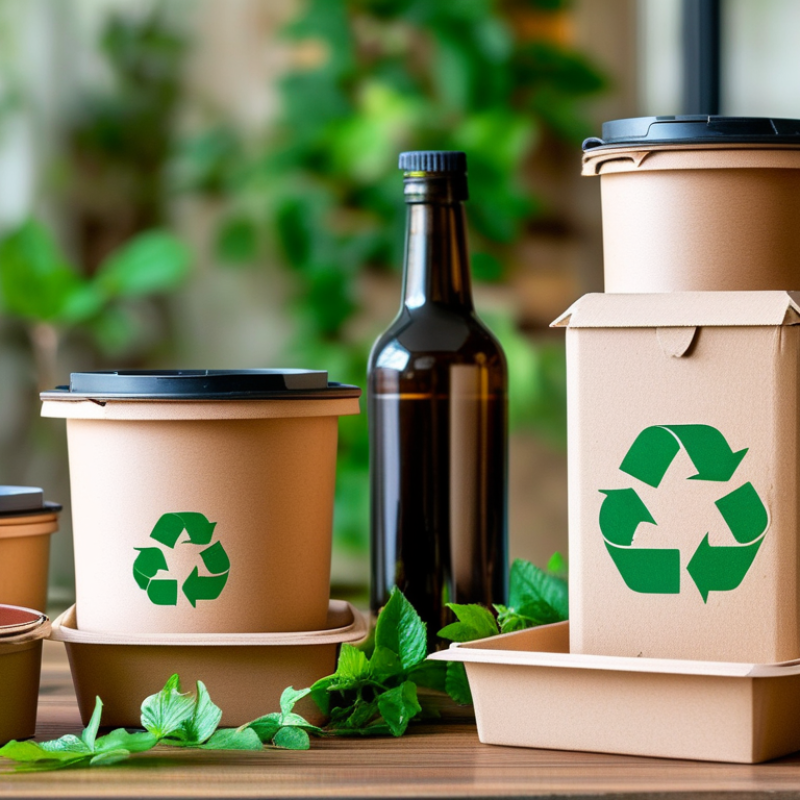
Eco blister packaging is gaining attention for its sustainable benefits. This packaging solution uses biodegradable materials. It reduces plastic waste and environmental impact. Made from renewable resources, eco blister packaging is not only functional but also eco-friendly. Many consumers prefer packaging that aligns with their values, which enhances brand loyalty.
Features of eco blister packaging include transparency and durability. Its clear design allows consumers to see the product clearly, ensuring trust. Despite its strength, it may not withstand extreme conditions as well as traditional packaging. Smaller manufacturers may find it challenging to source sustainable materials consistently. However, eco blister packaging remains a promising option for brands looking to reduce their carbon footprint.
Choosing eco blister packaging is an important step for a greener future. While some production methods may still involve energy-intensive processes, ongoing improvements are being made. Brands must evaluate their supply chains carefully. The journey toward sustainability is complex but worthwhile. Each step counts in creating a positive change.
Environmental Impact: How Eco Blister Packaging Reduces Waste
Eco blister packaging represents a significant step towards sustainable solutions in packaging. This innovative packaging option is designed with the environment in mind. It reduces waste through biodegradable materials that decompose more quickly than traditional plastic. As manufacturers shift focus, eco blister packaging minimizes landfill contributions. This change supports a circular economy approach, where materials are reused and recycled effectively.
The environmental impact is profound. Regular blister packaging often consists of multiple layers of plastic. Once discarded, it remains in landfills for decades. In contrast, eco-friendly alternatives break down naturally. This shift not only lessens waste but also cuts down carbon footprints. Consumers are increasingly aware of eco-friendly choices, driving demand for sustainable packaging. Brands have to adapt, or they risk losing customers.
However, it’s essential to acknowledge challenges. Not all eco blister packaging options are equal. Some still rely on additives that may hinder biodegradability. Transparency in sourcing and production is crucial. Companies should educate consumers about their packaging choices. Providing clear information helps foster informed decisions and encourages responsibility. The journey toward truly sustainable packaging continues, with eco blister options paving the way.
Why Choose Eco Blister Packaging for Sustainable Solutions? - Environmental Impact: How Eco Blister Packaging Reduces Waste
| Dimension |
Eco Blister Packaging |
Traditional Blister Packaging |
| Material Source |
Biodegradable / Recycled Materials |
Plastic derived from fossil fuels |
| Carbon Footprint |
Lower (up to 50% reduction) |
Higher |
| Recyclability |
Easier and more widely accepted |
Often not recyclable |
| Waste Generation |
Significantly reduced waste |
High volume of waste |
| Consumer Perception |
Positive and eco-friendly |
Neutral to negative |
| Cost-effectiveness |
Increased initial cost but lower lifecycle cost |
Lower initial cost; higher disposal costs |
Benefits of Using Eco-Friendly Materials in Blister Packaging
Eco-friendly materials in blister packaging have gained significant traction in recent years. Over 30% of consumers now prefer sustainable packaging options, according to a recent industry report. The shift reflects an increasing awareness of environmental issues like plastic waste and climate change. Utilizing biodegradable or recyclable materials is a key step towards reducing the carbon footprint associated with product packaging.
These eco-friendly materials offer several advantages. For instance, using materials derived from renewable resources can lower energy consumption during production. A study revealed that switching to plant-based plastics could reduce greenhouse gas emissions by 20-30%. Moreover, biodegradable blister packaging can decompose within months, unlike traditional plastics, which take hundreds of years. This not only minimizes landfill contributions but also supports a circular economy.
However, some challenges remain. Not all eco-friendly materials are suitable for every product, and their availability can be limited. Brands must carefully assess material performance and cost-efficiency. While over 70% of companies express commitment to sustainability, actual implementation still lags behind expectations. Awareness and understanding of these benefits are crucial for driving the transition to greener solutions in the packaging industry.
Applications of Eco Blister Packaging in Various Industries
Eco blisters are gaining traction across multiple industries due to their sustainable packaging solutions. In the pharmaceutical sector, eco blister packaging is often used to store medications. This reduces waste significantly. The materials used are biodegradable and less harmful to the environment. It offers an alternative to traditional plastic blisters.
In the food industry, eco blisters are versatile. They are used for snacks, pre-packaged meals, and fresh produce. Using plant-based materials, these packages retain freshness without harming ecological balance. Customers appreciate the commitment to reducing plastic waste when choosing products with eco-friendly packaging.
Tips: When selecting eco blister packaging, consider its sourcing. Local and sustainable materials can further reduce your carbon footprint. Always check for certifications that validate environmental claims. Lastly, ensure the packaging fits your product's needs to prevent unnecessary waste in the supply chain. Sustainability is a journey, not a destination. You might not find the perfect solution immediately, and that’s okay.
Comparative Analysis: Eco Blister Packaging vs. Traditional Options
When comparing eco blister packaging to traditional options, several factors come into play. Eco-friendly materials, like biodegradable plastics, are a key advantage. They reduce waste significantly. Traditional packaging often relies on non-renewable resources. This contributes to environmental degradation. It is crucial to note that not all eco options are equally effective. Some may still have limitations in durability or cost.
In terms of production, eco blister packaging generally employs more sustainable practices. This approach lowers carbon emissions. However, realizing these benefits can sometimes be complex. Manufacturers might face challenges in sourcing materials sustainably. Furthermore, the shift to eco-friendly solutions can require upfront investment. This can deter businesses focused on short-term profits.
Consumer perception plays a vital role in this comparison. Many buyers now prefer eco-friendly choices. They seek transparency about materials and practices. Yet, businesses may struggle to communicate these benefits clearly. Understanding the balance between eco-friendliness and practical applications is essential. Not every solution is foolproof. Thus, continuous evaluation and innovation remain key to developing truly sustainable packaging options.
Eco Blister Packaging vs. Traditional Packaging: A Comparative Analysis