How to Choose the Right Medical Blister Packaging Solutions?
In the ever-evolving world of healthcare, choosing the right medical blister packaging is crucial. According to a recent market analysis, the global medical blister packaging market is projected to reach $7.39 billion by 2027. This growth highlights the increasing importance of effective packaging solutions in the pharmaceutical industry. Medical blister packaging plays a vital role in ensuring product integrity and patient safety.
Many manufacturers overlook key factors when selecting these packaging options. It’s not just about cost; durability and compatibility with active ingredients are also essential. A study by Smithers Pira emphasizes that nearly 40% of medications lose efficacy due to improper packaging. This statistic raises questions about the choices we make when it comes to packaging design.
Choosing the best medical blister packaging solution requires careful consideration. Efficiency, compliance, and sustainability must all align with the specific needs of the product. Moreover, engaging with reputable suppliers can significantly influence overall quality. Reflecting on these aspects can lead to improved outcomes for both manufacturers and patients.

Understanding Medical Blister Packaging: An Overview
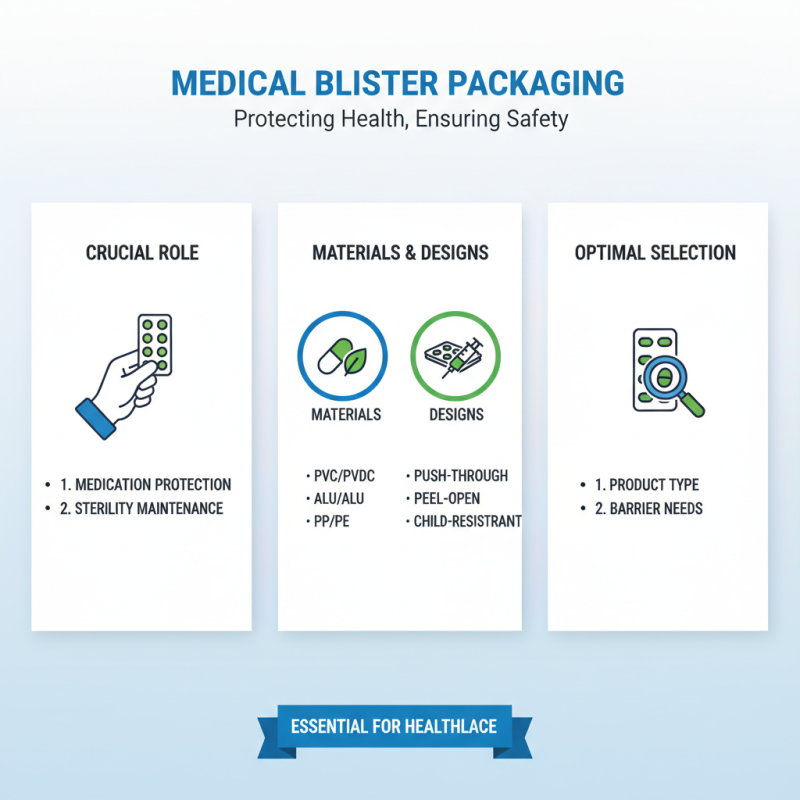
Medical blister packaging plays a crucial role in the healthcare sector. It ensures that medications and medical devices stay protected until use. Understanding the different types of materials and designs is essential. This knowledge helps in selecting the most suitable packaging for specific products.
When choosing blister packaging, consider the product type. Some medications are sensitive to moisture, while others need protection from light. Evaluate the barrier properties of materials. It will determine the shelf life and effectiveness of the products.
Tips for choosing packaging:
1. Focus on the end-user. Ensure the packaging is easy to open. Complex designs may frustrate patients.
2. Think about sustainability. Many materials are recyclable. Using eco-friendly options benefits both the environment and your brand image.
3. Don't overlook cost. While quality is crucial, balancing quality and budget is necessary. Learn from past choices. Some options might look appealing but can lead to unforeseen expenses.
Key Factors to Consider When Selecting Blister Packaging Solutions
Choosing the right medical blister packaging solutions requires careful consideration of several factors. The material used in the blister packs is crucial. It directly affects the product's protection, shelf life, and overall safety. Common materials include PVC and PET. Each has its own pros and cons, impacting the final choice.
Another key element is design. Blister packaging should not only be protective but also user-friendly for the patients. This means thoughtful design in terms of ease of access. A complicated opening can frustrate users. If your patient faces challenges, it defeats the purpose. Additionally, compliance with industry standards is non-negotiable. Non-compliance can lead to significant issues down the line and unnecessary risks.
Lastly, you must consider production costs and sustainability. Balancing cost-effectiveness with eco-friendly options can be tricky. Avoid overly complex packaging solutions that may drive up costs without providing extra benefits. Always reflect on whether the packaging truly meets the needs of both patients and manufacturers. The right choice should combine practicality with a commitment to safety and environmental responsibility.
How to Choose the Right Medical Blister Packaging Solutions? - Key Factors to Consider When Selecting Blister Packaging Solutions
| Factor |
Description |
Importance Level |
Considerations |
| Material |
The type of material used affects shelf life and compliance. |
High |
Choose materials compatible with pharmaceutical regulations. |
| Sealing Method |
Different sealing techniques impact product integrity. |
Medium |
Consider heat sealing vs. cold sealing based on product needs. |
| Customizability |
Ability to tailor packaging design to brand specifications. |
Medium |
Evaluate the options for printing and size variations. |
| Cost |
Involves initial investment and production costs. |
High |
Balance between budget and quality to ensure value. |
| Regulatory Compliance |
Must meet local and international packaging regulations. |
High |
Stay updated on compliance standards for your market. |
Types of Materials Used in Medical Blister Packaging
When it comes to medical blister packaging, selecting the right materials is crucial. The most common materials are PVC, PVDC, and PET.
PVC is known for its excellent visibility and formability. This makes it popular for a variety of medications. However, PVC may lack chemical resistance for some drugs.
It's important to evaluate how your product will interact with the material.
PVDC offers superior moisture barrier properties, safeguarding sensitive products. Yet, it can be more expensive than other options. Its rigidity can also pose challenges during sealing.
Users might find it harder to open than softer materials. PET, on the other hand, strikes a balance between strength and clarity.
It is often used for items requiring durability.
When choosing materials, one should consider not only cost but also functionality. Each option presents unique challenges.
Poor choices can lead to product degradation or poor consumer experience. Always assess the specific needs of your product and target market.
Discussing with packaging experts may prove beneficial. There are no perfect solutions, only better fit for specific situations.
Assessing Regulatory Compliance for Medical Packaging
Choosing the right medical blister packaging is crucial. Regulatory compliance is a fundamental aspect that cannot be overlooked. The global medical packaging market was valued at approximately $43 billion in 2021 and is expected to reach $70 billion by 2028. The rapid growth highlights the necessity for adherence to regulations.
When selecting blister packaging, consider the regulatory requirements in your region. For instance, the FDA in the United States imposes strict guidelines on materials used. The European Medicines Agency also emphasizes safety and usability. Compliance ensures quality and protects patients. However, many manufacturers struggle with these regulations. A survey indicated that 30% of companies lack adequate understanding of compliance requirements. This gap can lead to costly delays.
Testing is another critical component. Adequate testing ensures that the packaging maintains product integrity. However, not all companies prioritize this. A report showed that over 25% of medical devices face issues due to improper packaging evaluation. A lack of proper assessment can pose significant risks. The industry must reflect on these challenges and work to bridge the gap between compliance and practicality.
Cost Analysis: Balancing Quality and Budget in Packaging Choices
When selecting medical blister packaging, cost is a significant factor. High-quality packaging can enhance product safety, yet it often comes with a premium price. On the other hand, cheaper options may compromise quality. This creates a delicate balance. It's essential to evaluate the potential risks of lower-quality materials against the immediate savings.
Conducting a thorough cost analysis is vital. Consider the long-term implications, not just the upfront expenses. For instance, poor packaging may lead to product degradation. This can cost more in recalls and customer dissatisfaction. Think about the functionalities needed for the product. Will tamper-evident features be necessary? What about ease of use for patients?
Another aspect to ponder is the sustainability of the materials. Eco-friendly options may initially seem costly, yet they can enhance brand perception. This can lead to higher sales over time. Identifying the right supplier who understands medical protocols is crucial. Relationships matter in this process. Consult various providers to compare their offerings. Always ask for samples before making a final decision. Each choice carries weight and deserves careful consideration.