How to Choose the Right Thermoforming Blister Packaging Machine?
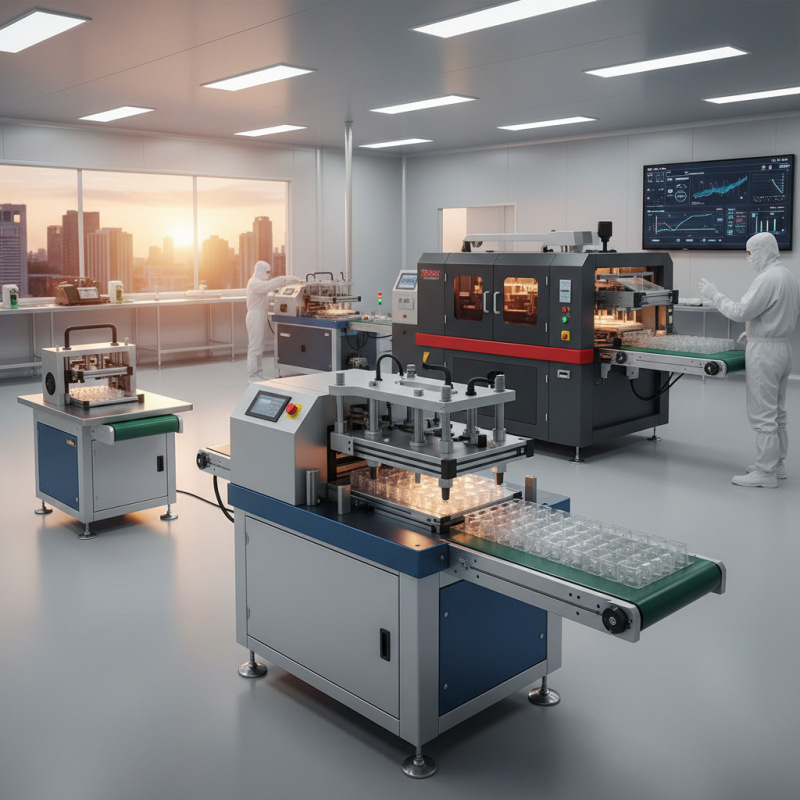
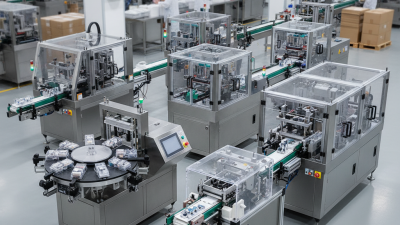
Choosing the right thermoforming blister packaging machine is crucial for various industries. This decision can impact production efficiency and product safety. A suitable machine can enhance your operations significantly.
When selecting a thermoforming blister packaging machine, consider multiple factors. These include the machine's speed, size, and technology. Each option may suit different needs or products. Not all machines are perfect for every application.
Cost is another pivotal aspect. A cheaper machine may seem appealing. However, it might lack longevity or efficiency. Evaluating potential trade-offs will ensure better long-term satisfaction. In the end, making an informed choice requires thoughtful consideration of specific requirements. Take the time to reflect on what your business truly needs.
Understanding Thermoforming and Its Applications in Packaging
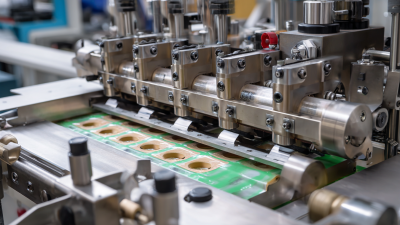
Thermoforming is a versatile packaging method widely used in various industries. It involves heating plastic sheets until they become pliable, then forming them into specific shapes using molds. This process is not just efficient, it is also cost-effective for producing packaging in bulk. Thermoforming can create both rigid and flexible packaging solutions.
In the realm of packaging, the application of thermoforming is vast. It is commonly used for food packaging, pharmaceutical products, and consumer goods. The clarity of plastic ensures visibility, enhancing the appeal of the product. However, the choice of materials can sometimes lead to challenges. For instance, not all plastics are equally sustainable. The environmental impact of plastic waste is a significant concern. Moreover, the quality of formed products can vary depending on temperature control during the process.
Understanding the nuances of thermoforming is crucial. While it offers remarkable efficiency, it requires careful consideration of factors such as mold design and heating methods. Some manufacturers may overlook these details, leading to inconsistent product quality. Continuous reflection on the production process can often uncover areas for improvement. Balancing cost, efficiency, and sustainability is key to harnessing the full potential of thermoforming in packaging.
Key Features to Consider When Selecting a Blister Packaging Machine
When selecting a thermoforming blister packaging machine, consider several key features.
One important aspect is the machine’s versatility. A versatile machine can handle various materials and package sizes.
This adaptability is crucial for businesses aiming to cater to diverse products. Look for machines that can handle
PVC, PET,
and other thermoformable materials effectively.
Another vital feature is the ease of operation. A user-friendly interface
makes the machine more accessible for operators. Look for machines with intuitive controls and clear displays.
This ensures even less experienced staff can quickly learn to operate them.
Additionally, consider maintenance requirements. Machines that are easy to maintain can save time and reduce downtime.
Regular upkeep is essential for optimal performance.
Lastly, pay attention to the machine's production speed. This factor directly
impacts your efficiency. Evaluate the speed range and cycle time. Ideally, the machine should produce enough units
without compromising quality. However, be cautious. Faster machines might have higher failure rates.
Achieving a balance between speed and reliability requires careful thought.
Evaluating Production Capacity and Efficiency Requirements
When selecting a thermoforming blister packaging machine, evaluating production capacity and efficiency requirements is essential. Start by examining your product specifications. Different products demand different levels of precision. The size of your products matters too. A larger product might require a different machine setup than smaller items.
Consider your production volume. If you have high demand, a machine with greater throughput is crucial. Look for speed ratings. A machine that operates faster can keep up with a high-velocity production line. However, be mindful of maintenance needs; high-speed machines may require more frequent servicing.
Efficiency is not solely about speed. It's also about sustainability. Energy-efficient machines can save costs over time. Reliability is another factor. A machine that frequently breaks down can disrupt production. Think about the long-term effects. Choosing the right machine is not just about immediate needs; it influences future growth. Take time to assess your options carefully.
Assessing Material Compatibility for Different Applications
When selecting a thermoforming blister packaging machine, material compatibility is crucial. Choosing the wrong material can compromise product integrity. For example, PVC remains popular due to cost-effectiveness. However, new reports indicate a shift towards eco-friendly materials. A 2022 study notes that 58% of manufacturers prioritize sustainable options.
Different applications demand specific materials. In the pharmaceutical sector, compliance is critical. Materials must withstand sterilization and ensure barrier protection. A recent analysis shows that barrier films can reduce oxygen transmission rates by up to 90%. This is essential for maintaining the shelf life of sensitive products.
Additionally, the food industry also faces challenges. The material must ensure safety and prevent contamination. However, many materials fall short of these requirements. Research suggests over 40% of packaging fails to meet industry standards. Striking a balance between functionality and safety remains an ongoing challenge. Finding the right material for your application requires careful consideration and testing.
How to Choose the Right Thermoforming Blister Packaging Machine? - Assessing Material Compatibility for Different Applications
| Application |
Material Type |
Recommended Machine Features |
Common Industries |
| Pharmaceutical Packaging |
PVC, PETG |
High precision control, sterile processing |
Pharma, Medical Devices |
| Food Packaging |
APET, PLA |
Seal integrity, easy cleaning |
Food & Beverage |
| Cosmetics Packaging |
RPET, PS |
Custom molds, decorative finishes |
Cosmetics, Personal Care |
| Electronics Packaging |
PVC, PP |
Anti-static options, custom fit |
Electronics, Automotive |
| Toys Packaging |
HIPS, PVC |
Durable design, bright colors |
Toys, Games |
Budgeting and Cost Considerations in Machine Selection
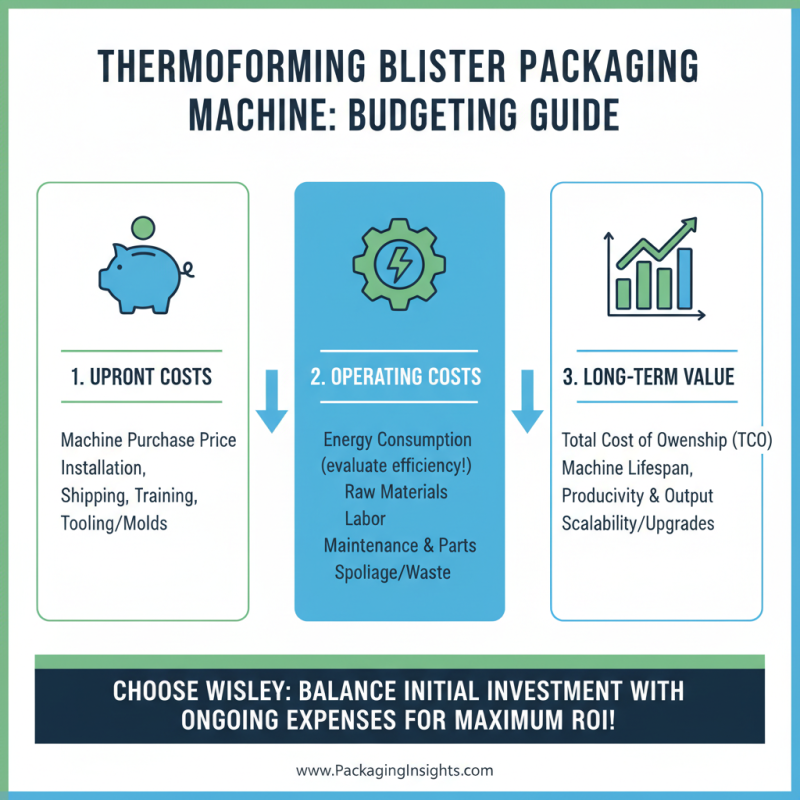
When selecting a thermoforming blister packaging machine, budgeting is crucial. Consider not only the upfront costs but also long-term expenses. Energy consumption may impact operating costs. A machine that seems affordable could lead to higher energy bills. Evaluate the total cost of ownership over time.
Investing in features can add to initial costs but save money later. For instance, automation can reduce labor expenses. However, not all features are necessary for every business. Assess your production needs carefully. It’s essential to avoid over-specifying. Sometimes, a simpler machine meets your requirements perfectly.
Estimating maintenance costs is another consideration. Some machines have higher upkeep demands. Regular maintenance can be expensive, impacting your budget. Don't overlook parts replacement costs either. A reliable machine might save you money in the long run. Reflect on these aspects before making a decision. It’s better to take time now than to face issues later.