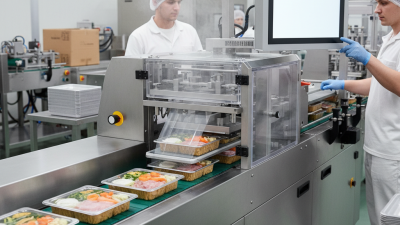
In today's fast-paced food production and packaging industry, selecting the right tray sealer packaging machine can significantly impact a business's efficiency and product quality. Expert in packaging technology, Dr. Jane Smith, states, "The right tray sealer not only enhances shelf life but also plays a crucial role in maintaining the integrity of the food products." As businesses strive to meet consumer demands for convenience and sustainability, understanding the technical specifications and operational capacities of tray sealer packaging machines becomes paramount.
With various options available on the market, businesses must carefully consider factors such as sealing speed, material compatibility, and energy efficiency. The right tray sealer packaging machine can streamline operations, reduce waste, and ultimately lead to greater customer satisfaction. As companies navigate through the complexities of choosing the ideal machine, informed decision-making is essential to ensure the right fit for their specific needs and goals. In this guide, we will explore critical aspects that should be considered when selecting a tray sealer packaging machine for your business, helping you make an educated choice that aligns with your operational objectives.
When selecting the right tray sealer packaging machine for your business, it's crucial to start with a clear understanding of your specific business needs. According to a report by Smithers Pira, the global packaging market is projected to grow at a CAGR of 3.7% from 2020 to 2025, highlighting the increasing importance of efficient packaging solutions across various industries. For businesses involved in the food sector, choosing a machine that meets hygiene standards while optimizing production output is paramount.
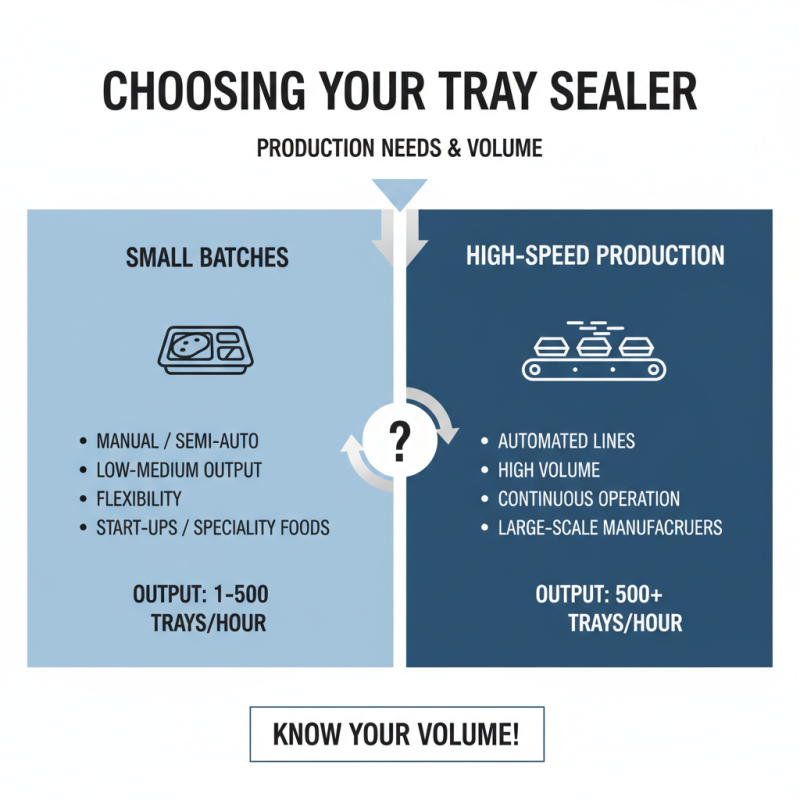
Understanding the volume of production is another significant aspect. Research indicates that high-capacity tray sealers can produce up to 240 trays per minute, making them ideal for operations with significant throughput requirements. Assessing the type of products being packaged also plays a vital role. For instance, machines designed for fresh produce may differ significantly in functionality and sealing technology compared to those meant for processed foods. By carefully evaluating these factors—production volume and product type—companies can greatly enhance their packaging efficiency and ensure they are meeting consumer demand.
When selecting a tray sealer packaging machine for your business, it’s crucial to understand the various types available in the market. Typically, tray sealers are categorized into three main types: manual, semi-automatic, and fully automatic machines. Each type caters to different production needs and scales. According to industry reports, the global tray sealing machines market is expected to grow at a CAGR of 4.5% from 2022 to 2027, reflecting a significant demand across various sectors including food, pharmaceuticals, and consumer goods.
Manual tray sealers are ideal for small operations and businesses that require lower production volumes. They are cost-effective and suitable for artisans and small-scale producers. In contrast, semi-automatic machines offer a balance between efficiency and manual input, allowing businesses to ramp up production without a major financial investment. These machines enhance output significantly, making them a popular choice among medium-sized enterprises. Fully automatic tray sealers, on the other hand, represent the forefront of technology in this field. They can operate independently and are capable of high-throughput operations, often integrated with advanced features such as vision systems and automated product feeding. According to a report by Smithers PIRA, automation in tray sealing can boost production efficiency by up to 30%, leading to reduced labor costs and improved product consistency.
Understanding these types allows businesses to align their operational needs with the right tray sealer packaging machine, ensuring efficiency and effectiveness in their packaging processes.
| Type of Tray Sealer | Suitable Products | Production Capacity (Trays/Hour) | Key Features | Price Range ($) |
|---|---|---|---|---|
| Manual Tray Sealer | Small batches of food items | 100-300 | Cost-effective, easy to operate | 1,000 - 3,000 |
| Semi-Automatic Tray Sealer | Medium-sized food businesses | 300-700 | Faster than manual, requires some labor | 3,000 - 8,000 |
| Fully Automatic Tray Sealer | Large scale production | 700-1500 | High-speed, minimal labor, integrates with production lines | 8,000 - 15,000 |
| Tray Sealer with MAP (Modified Atmosphere Packaging) | Perishable products like meats and fish | 500-1200 | Extends shelf life, controls oxygen levels | 5,000 - 12,000 |
| Vacuum Tray Sealer | Bulk meats, dairy products | 300-1000 | Removes air, enhances freshness | 4,000 - 10,000 |
When selecting a tray sealer packaging machine, several key features should be considered to ensure it meets the specific needs of your business. First and foremost, the machine's sealing method is crucial. Whether you require vacuum sealing, gas flushing, or traditional heat sealing will significantly impact the quality and shelf life of your products. Each method has its advantages depending on the type of food or goods being packaged. Additionally, look for machines that offer adjustable sealing settings to accommodate different tray sizes and materials, as versatility can enhance your production efficiency.
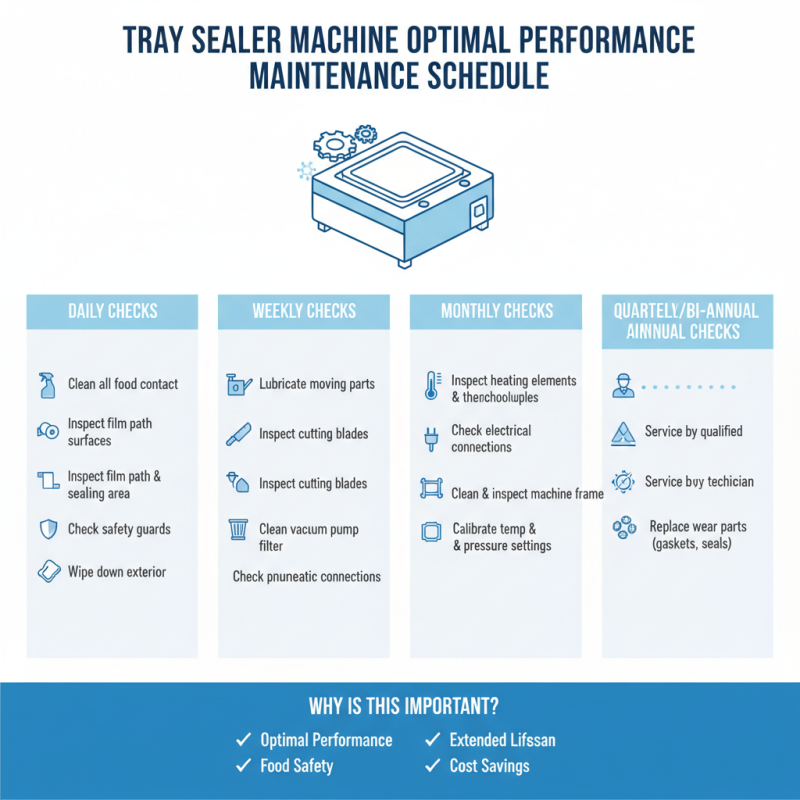
Another important feature to evaluate is the production capacity of the tray sealer. Understanding the machine's output rate can help you align it with your business's demand. If your operation requires high-volume production, consider a model designed for continuous operation. Furthermore, ease of maintenance and durability are critical; a robust machine with user-friendly design will minimize downtime and ensure consistent performance. Lastly, consider the machine's integration capabilities with existing production lines, as this can enhance overall workflow and reduce operational disruptions. By focusing on these key features, businesses can make informed decisions that optimize their packaging processes.
When selecting a tray sealer packaging machine for your business, it's essential to assess the production capacity and speed requirements that align with your operational goals. The production capacity refers to the amount of product the machine can seal in a given timeframe, which plays a crucial role in meeting demand. Consider both peak and average production rates, taking into account potential fluctuations in order volume. A machine that offers adjustable settings may provide the flexibility needed to adapt to varying production demands without sacrificing quality.
Speed requirements are equally important, as they directly impact efficiency and productivity. Evaluate the sealing cycles per minute that the machine can achieve and how that translates to your overall production goals. High-speed machines can significantly reduce labor costs and enhance throughput, making them suitable for high-demand environments. However, it’s important to ensure that increased speed does not compromise the integrity of the sealing process. Striking the right balance between speed and quality will ultimately support smoother operations and contribute to customer satisfaction.
When selecting a tray sealer packaging machine for your business, budgeting and cost considerations play a crucial role. According to a recent industry report by Research and Markets, the global tray sealing machine market is projected to reach $1.2 billion by 2025, highlighting the increasing demand for efficient packaging solutions. Companies looking to invest in tray sealers must evaluate not just the initial purchase price, but also the operational costs, maintenance, and potential return on investment. A well-chosen machine can significantly enhance production efficiency and reduce wastage.
When budgeting for tray sealers, it’s essential to consider the total cost of ownership, which includes installation fees, training for staff, and potential upgrades. Additionally, factor in the cost of packaging materials, as high-quality films and trays can impact both the quality of your product and the overall expenses. According to a study by Smithers Pira, businesses can save up to 20% on packaging costs by investing in automated sealing technology that minimizes material usage.
**Tip:** Before making a final decision, conduct a thorough cost-benefit analysis comparing different machine options, taking into account their efficiency ratings and maintenance requirements.
Moreover, exploring financing options can alleviate the financial burden. Many suppliers offer leasing arrangements, allowing companies to enjoy the benefits of modern technology without the hefty upfront costs. Assess your business's growth projections against projected costs to ensure that your investment in tray sealer packaging machines aligns with your long-term goals.
**Tip:** Engage in discussions with manufacturers about potential discounts for bulk purchases or multi-year service contracts, as these can mitigate ongoing expenses and enhance your budget flexibility.
Call 815-281-5297 now to speak directly with an Algus expert or fill out the form below.