How to Choose the Right Tray Sealing Equipment for Your Food Packaging Needs with Industry Insights and Data
When it comes to food packaging, selecting the right tray sealing equipment is critical for ensuring product quality and extending shelf life. According to industry expert Dr. Emily Johnson, a leading authority on packaging technologies, “The efficiency and effectiveness of tray sealing equipment directly influence not only the freshness of food products but also the operational costs of food manufacturers.” As the demand for packaged food rises, understanding the nuances of tray sealing technology becomes imperative for businesses aiming to thrive in a competitive market.

In this guide, we will explore key considerations for choosing suitable tray sealing equipment tailored to your specific food packaging requirements. By leveraging industry insights and data, we’ll delve into various factors such as production volume, product type, and cost-effectiveness. The right equipment can significantly enhance your packaging process, ensuring that your products meet both consumer expectations and regulatory standards.
Stay tuned as we uncover expert tips and common pitfalls in selecting tray sealing equipment, providing a comprehensive framework for making informed decisions that align with your business goals. This knowledge will empower food manufacturers to optimize their packaging solutions, ensuring they deliver exceptional quality products to their customers.
Understanding Different Types of Tray Sealing Equipment for Food Packaging Needs
When considering tray sealing equipment for food packaging, it's essential to understand the various types available and how they cater to different operational needs. The primary categories include manual, semi-automatic, and fully automatic machines. Manual tray sealers are ideal for small-scale operations or startups, offering affordability and ease of use without the need for advanced technology. They allow operators to quickly seal trays by hand, making them flexible for various packaging needs.
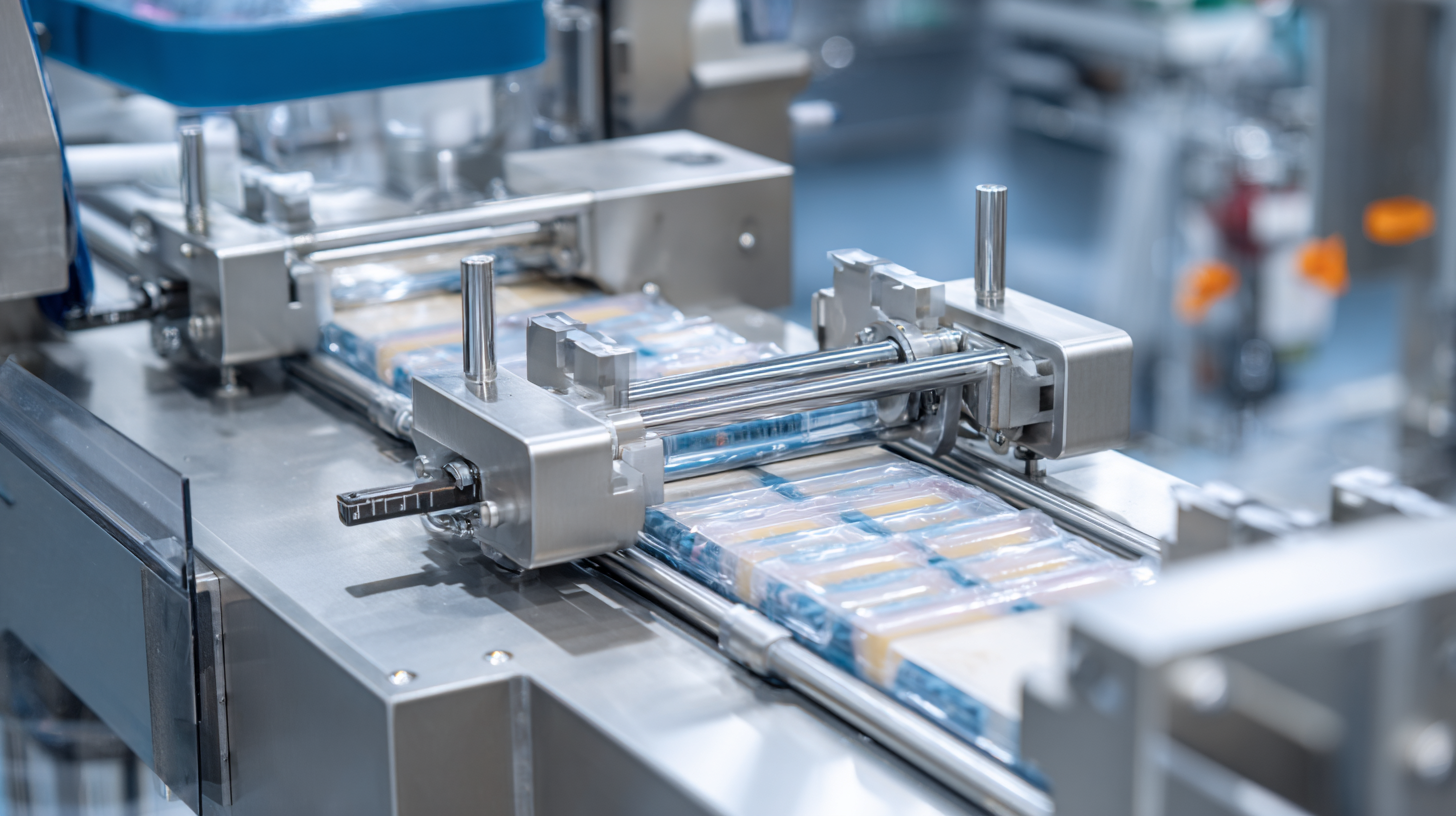
In contrast, semi-automatic and fully automatic tray sealers are designed for larger production volumes. Semi-automatic machines require minimal operator intervention and offer a balance between speed and investment, making them suitable for medium-sized enterprises. Fully automatic systems, on the other hand, integrate advanced automation technologies, streamlining the sealing process and maximizing efficiency. They not only increase production rates but also enhance product consistency and safety, accommodating a wide range of tray sizes and materials. Understanding these differences is crucial for businesses to select the right equipment that aligns with their production goals and improves overall packaging efficiency.
Evaluating Industry Standards and Compliance for Food Packaging Machinery
When selecting tray sealing equipment for food packaging, understanding industry standards and compliance is paramount. According to a report by the Food Packaging Association, over 60% of food manufacturers cite compliance with safety and hygiene standards as a primary consideration when investing in packaging machinery. The machinery must meet stringent guidelines set by regulatory bodies such as the FDA and USDA, which ensure that the materials used are safe for direct contact with food and that the processes adhere to safety protocols.
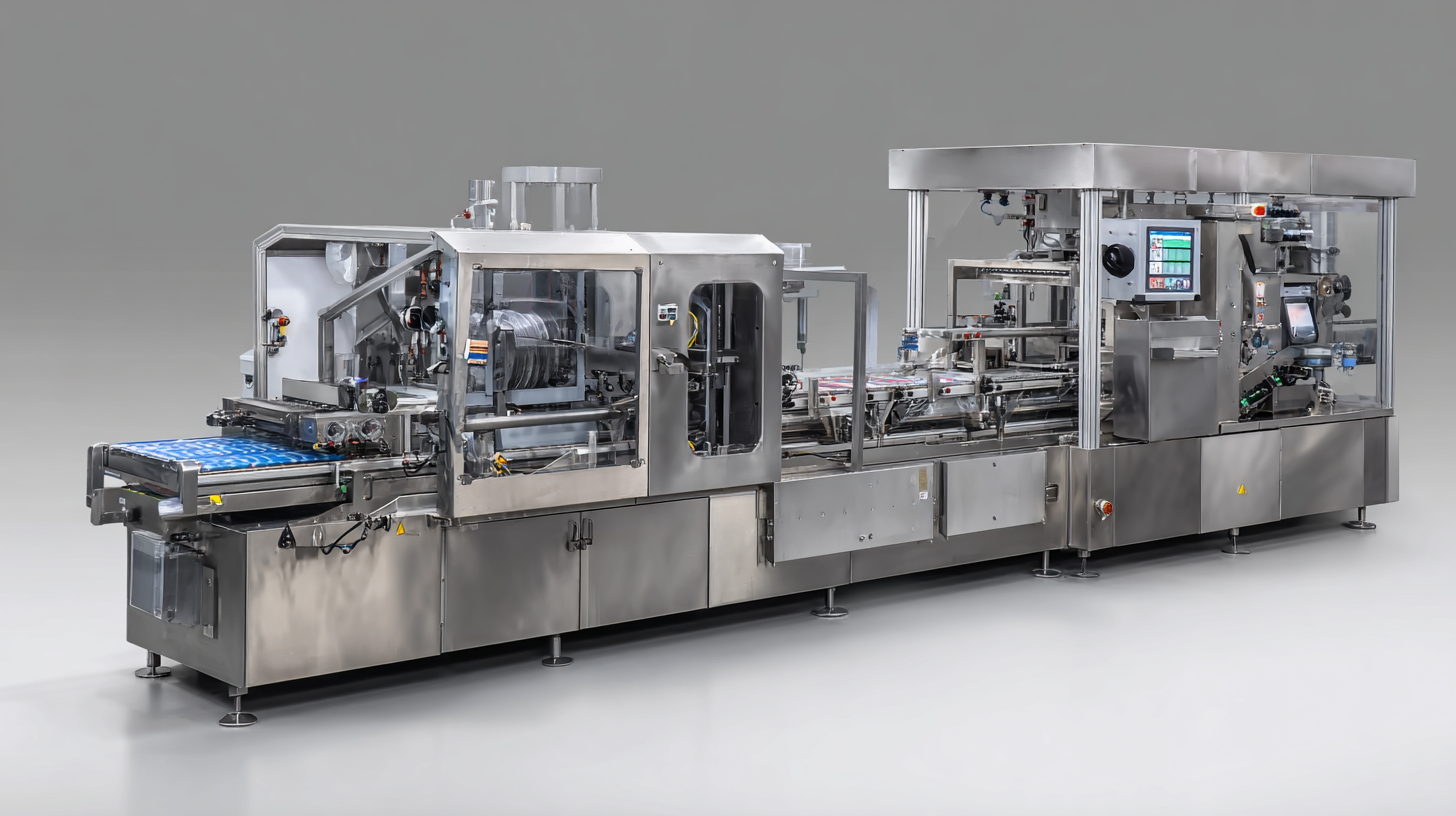
Furthermore, the compliance landscape is continuously evolving. A recent study from MarketsandMarkets indicated that the global food packaging machinery market is expected to reach $41.9 billion by 2025, reflecting a growing emphasis on innovative and safe packaging technologies. Manufacturers need to familiarize themselves with the latest FDA updates and industry certifications, such as ISO 22000 for food safety management systems, to ensure their equipment aligns with compliance requirements. By prioritizing adherence to these standards, companies can enhance their operational efficiency and build consumer trust in their packaged products.
Key Features to Look for in Tray Sealers: Efficiency, Versatility, and Reliability
When selecting tray sealing equipment for food packaging, three key features stand out: efficiency, versatility, and reliability. Efficiency is paramount in today's fast-paced food production environment. According to a recent report by Research and Markets, the global tray sealing market is projected to grow at a CAGR of 4.5% through 2026, highlighting the increasing demand for high-speed operation and minimal downtime in production lines. Manufacturers prioritize machines that can quickly seal trays while maintaining product integrity, thus optimizing workflow and reducing labor costs.
Versatility is another critical factor, as different products require different sealing methods. For instance, equipment that can handle various materials—such as plastic, aluminum, and biodegradable options—offers businesses the flexibility they need in a rapidly changing market. A study by Smithers Pira emphasizes that flexibility in packaging machinery can help companies adapt to evolving consumer demands for sustainability without compromising performance. Furthermore, reliability ensures consistent sealing quality, essential for maintaining food safety standards. An extensive analysis by Food Processing Magazine notes that equipment breakdowns can lead to significant financial losses, reinforcing the need for reliable tray sealers that minimize operational risks and ensure continuous production.
Efficiency, Versatility, and Reliability of Tray Sealing Equipment
Analyzing Cost-Effectiveness: Investment vs. Long-Term Savings in Tray Sealing
When analyzing the cost-effectiveness of tray sealing equipment for food packaging, it's essential to weigh the initial investment against potential long-term savings. Just as energy-efficient home renovations have emerged as a financially savvy choice, investing in high-quality tray sealing technology can yield significant returns. Companies that opt for advanced machinery might face higher upfront costs; however, cutting-edge equipment often results in lower operating expenses through energy efficiency, reduced waste, and increased product shelf life.
Furthermore, just as homeowners benefit from modern attic insulation, businesses can enhance their operational performance by adopting innovative packaging solutions. The right tray sealing equipment not only streamlines processes but also meets evolving consumer demands for sustainability. As market conditions shift and eco-conscious choices prevail, organizations that prioritize effective packaging will likely find that the economic benefits—such as improved product integrity and reduced spoilage—outweigh the initial financial commitments. Thus, evaluating the long-term savings potential in conjunction with investment costs is crucial for making informed decisions in today’s market.
Trends in Food Packaging: Innovations and Consumer Preferences Impacting Equipment Choices
In the ever-evolving food packaging industry, understanding current trends and consumer preferences is paramount for choosing the right tray sealing equipment. Innovations in sustainable packaging materials are gaining momentum, with eco-friendly options becoming a significant deciding factor for both businesses and consumers. As customers increasingly demand transparency and sustainability, equipment that accommodates biodegradable materials or reduces waste is more desirable than ever.
When selecting tray sealing equipment, it’s essential to consider not only the type of food products you are packaging but also the latest technology that enhances efficiency and quality. Look for machines that offer quick changeovers, energy efficiency, and adaptability to various package sizes. This flexibility can significantly impact productivity and reduce downtime.
**Tips:** Invest time in researching your target market's preferences—are they leaning towards convenience, sustainability, or product freshness? Moreover, attending industry trade shows or webinars can provide valuable insights into emerging technologies and consumer trends. This knowledge will help you make informed decisions about the equipment that aligns with market demands.
How to Choose the Right Tray Sealing Equipment for Your Food Packaging Needs with Industry Insights and Data - Trends in Food Packaging: Innovations and Consumer Preferences Impacting Equipment Choices
| Packaging Type |
Common Materials |
Sealing Technology |
Typical Applications |
Market Trends |
| Modified Atmosphere Packaging (MAP) |
Plastic films, Aluminum foil |
Heat Sealing, Cold Sealing |
Fresh produce, Deli meats |
Growing demand for longer shelf life |
| Vacuum Packaging |
Nylon, Polyethylene |
Vacuum Sealers |
Meats, Cheeses, Snacks |
Increased emphasis on reducing food waste |
| Skin Packaging |
Flexible films, Rigid trays |
Skinning, Heat Sealing |
Meats, Seafood, Vegetables |
Consumer preference for visually appealing packaging |
| Thermoforming |
PET, PVC |
Thermoforming Machines |
Ready-to-eat meals, Salads |
Focus on convenience and ready-to-eat options |
| Blister Packaging |
PVC, PS, PET |
Heat and Pressure Sealing |
Pharmaceuticals, Snack foods |
Rising health consciousness among consumers |