Top 10 Tips for Effective Blister Packaging Design Strategies?
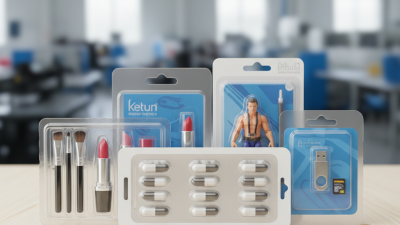
In the realm of packaging, effective blister packaging design is crucial. Experts emphasize its importance in consumer safety and product visibility. As Sarah Thompson, a leading authority in packaging design, once stated, “The right blister packaging can elevate a product's appeal while ensuring its integrity.”
Understanding blister packaging design requires both creativity and strategy. It involves balancing aesthetics with functionality. A well-designed blister not only protects the product but also enhances user experience. However, many overlook this essential aspect. They may focus solely on cost, undermining the value of thoughtful design.
Attention to detail matters in blister packaging design. Consider how a package communicates with its audience. The choice of materials, form, and colors should cater to the target demographic. Yet, designers often face challenges. They must adapt to evolving regulations and consumer preferences. Continuous learning and reflection on past designs can lead to better outcomes. Striving for innovation while maintaining reliability is key.
Understanding the Importance of Blister Packaging Design
Blister packaging design plays a crucial role in product presentation and protection. An effective design enhances user experience and communicates brand values. Well-thought-out blister packaging prevents damage and ensures product integrity during transport. This is vital for consumer trust.
Tip: Consider the product's shape and size when designing. Proper fit in the package ensures stability and reduces movement, which can cause harm. The material's clarity impacts visibility. Choose materials that allow consumers to see the product clearly while ensuring safety.
Additionally, think about ease of opening. Users often struggle with overly complex packaging. An accessible design can increase customer satisfaction. However, maintaining security is equally essential. Ensuring tamper-proof features can prevent unauthorized access. Balance is key.
Packaging can also integrate informative details. Clear labels guide consumers in understanding the product's benefits. But remember, too much text can overwhelm. Aim for a harmonious balance that conveys essential information without cluttering the design.
Key Elements of Effective Blister Packaging
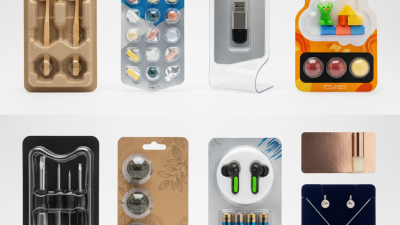
Effective blister packaging design relies on key elements that enhance product visibility and protection. A well-designed blister pack showcases the product while also safeguarding it from damage. The package's material plays a vital role in protecting contents from external elements. Consider using materials that combine durability and clarity, ensuring the product remains visible to customers.
One essential tip is to focus on user experience. Think about how consumers will interact with the package. Choose easy-to-open designs that reduce frustration. Transparent blisters that offer a clear view of the product can attract consumers. You want to make the packaging enjoyable rather than a hindrance.
Another important element is information presentation. Ensure that all product details are legible and visually appealing. Use bold fonts and concise messaging. Striking the right balance between aesthetics and functionality is key. Remember, cluttered designs can overwhelm customers. Reflecting on your design might reveal areas needing improvement. Effective blister packaging should be intuitive and informative, allowing consumers to feel confident in their choice.
Designing for Functionality and User Experience
When designing blister packaging, the user experience should be a top priority. Statistics show that over 90% of consumers judge a product by its packaging. Therefore, creating a design that considers functionality can significantly enhance user satisfaction. A well-designed blister pack not only protects the product but also ensures ease of access.
Tip: Choose materials that are not only durable but also lightweight. This combination can improve the user experience, making it easier for customers to handle the product. Moreover, consider child resistance if necessary. Reports indicate that 70% of users value safety in packaging.
Clarity in design is crucial. Graphics and labeling should be clear, allowing users to identify the product at a glance. Research reveals that over 60% of consumers appreciate easy-to-read instructions. Failure to provide clear communication can lead to frustration and product returns.
Tip: Test your designs with real users. Feedback from potential customers is invaluable. Their insights can highlight practical issues you might overlook. This iterative process ensures the final product aligns with user expectations and enhances usability.
Top 10 Tips for Effective Blister Packaging Design Strategies
Choosing the Right Materials for Blister Packaging
Choosing the right materials for blister packaging is crucial for product protection. The material influences durability and shelf life. Common options include PVC, PET, and PP. PVC offers excellent clarity and strength, making it suitable for a wide range of products. However, it may not always be the most environmentally friendly choice.
PET is gaining popularity because of its recyclability. It ensures product visibility while being more sustainable. PP, on the other hand, is often used for products needing heat resistance. Each material has its pros and cons, so careful consideration is necessary.
It’s also essential to think about the end user. For instance, a package that is too difficult to open might frustrate customers. Balancing protection and usability is key. Testing different options can help to identify the best combination. Understanding the target market and their preferences will guide the selection process.
Top 10 Tips for Effective Blister Packaging Design Strategies - Choosing the Right Materials for Blister Packaging
| Material Type |
Key Properties |
Best Use Cases |
Environmental Impact |
| PVC (Polyvinyl Chloride) |
Strong, clear, and cost-effective |
Pharmaceuticals, consumer goods |
Not biodegradable, recycling challenges |
| PET (Polyethylene Terephthalate) |
Good barrier properties and clarity |
Cosmetics, snacks |
Recyclable, lower environmental impact |
| AL (Aluminum) |
Excellent moisture barrier |
Food products, electronics |
Recyclable, sustainable options available |
| PP (Polypropylene) |
Chemical resistance, lightweight |
Medical devices, personal care |
Recyclability varies by region |
| Paperboard |
Printable, easily customizable |
Toys, non-perishable items |
Biodegradable, eco-friendly options |
Regulatory Compliance and Safety Considerations in Blister Design
When designing blister packaging, regulatory compliance is critical. This includes understanding local and global regulations. Utilizing materials that meet safety standards is essential. Warnings and instructions should be clear. Manufacturers must consider the specific needs of the product. Even minor oversights can lead to significant liability issues.
Safety considerations also play a crucial role in blister design. Materials should be non-toxic and suitable for the intended use. Consumers often face challenges in opening packaging safely. The design must balance accessibility with child resistance. Testing prototypes can reveal flaws in usability and safety. Blister packaging should protect the product while ensuring end-user safety.
Effective communication of information is vital within the design. Labeling should convey necessary safety instructions concisely. A well-designed blister pack can enhance understanding. However, if instructions are unclear, confusion may arise. Designers must constantly evaluate and refine their approaches. Feedback from consumers can provide valuable insights. Engaging with experts in regulatory affairs can further enhance compliance.