Top 10 Tips for Effective Blister Packaging Design to Enhance Product Appeal
In the realm of consumer goods, blister packaging design plays a crucial role in attracting attention. According to industry expert Dr. Linda Rosen, “The right design can turn an ordinary product into an irresistible choice.” Her insights emphasize the importance of visual appeal in packaging.
Blister packaging serves not only as a protective layer but also as a marketing tool. Many designs fail to capture the essence of the product within. This mismatch can deter potential buyers. Clever use of colors, shapes, and textures can significantly enhance product visibility. Yet, many designs overlook these elements, leading to missed opportunities.
Effective blister packaging design requires continuous evaluation and adaptation. Companies must consider not just aesthetics but functionality as well. Poor designs can result in customer frustration. Conversely, well-thought-out options lead to increased sales. By reflecting on current trends and consumer feedback, brands can create packaging that resonates.
Understanding the Importance of Blister Packaging in Product Marketing
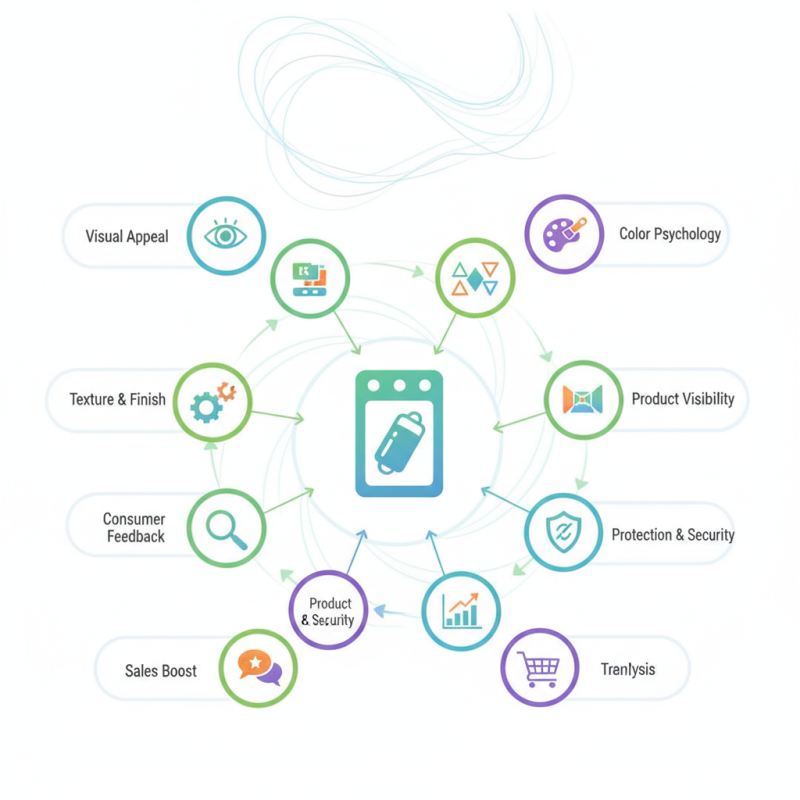
Blister packaging plays a crucial role in product marketing. It not only protects items but also enhances visual appeal. An eye-catching design can attract consumers, driving sales and brand recognition. The clear view of the product inside allows customers to evaluate quality and usage.
When designing blister packaging, consider the first tip: choose materials wisely. The right plastic or paper can elevate the product's perceived value. In addition, optimize the shape of the blister. A unique form can grab attention and set the product apart on crowded shelves.
Another valuable tip is to incorporate informative graphics. Include essential details like instructions and benefits. Yet, be cautious about cluttering the design. Too much information can confuse customers. Remember, simplicity often speaks louder. In this fast-paced market, effective blister packaging is essential. It can make or break a product's success.
Key Elements of Effective Blister Packaging Design
Effective blister packaging design plays a crucial role in product appeal. Key elements include material selection, visual impact, and sustainability. Research indicates that over 70% of consumers consider packaging when making purchasing decisions. A clear, honest presentation of the product is essential. Transparent materials allow consumers to see what they buy, fostering trust.
Color psychology also plays a significant role. Studies suggest that colors can increase brand recognition by up to 80%. Bold designs attract attention, but overcomplicated visuals can overwhelm the customer. Striking a balance is necessary. While simplicity aids in clarity, unique designs can differentiate products in a crowded market.
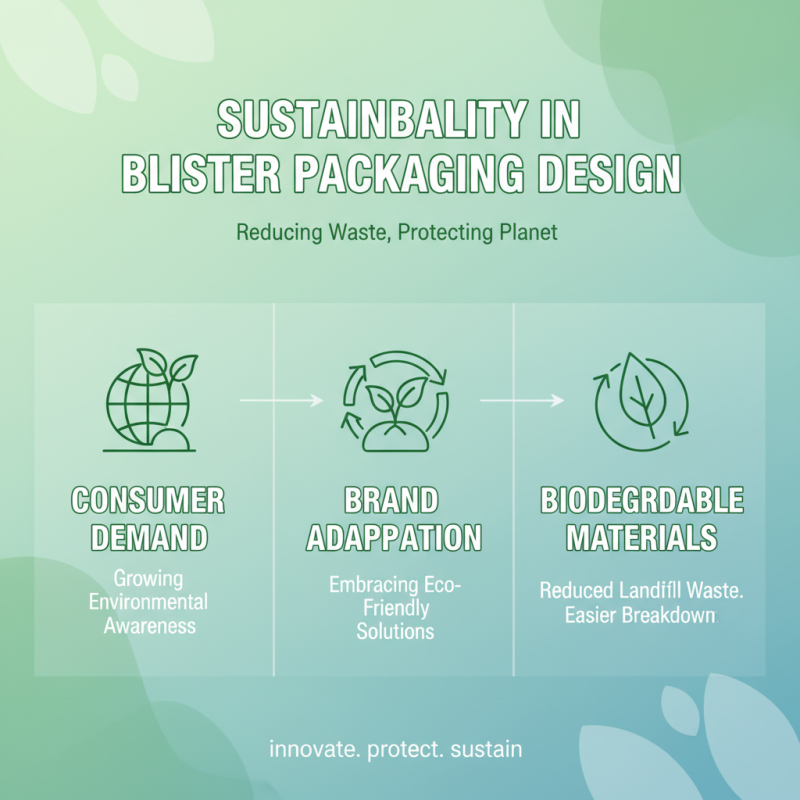
Sustainability is increasingly vital. A report from Smithers shows that 61% of consumers prefer eco-friendly packaging. Using recyclable materials can enhance brand loyalty. However, some brands still lag in this area. They may focus solely on aesthetics, ignoring environmental impact. Effective blister packaging must strive for both visual appeal and sustainability to resonate with today's informed consumers.
Utilizing Visual Appeal to Attract Target Consumers
In the competitive landscape of retail, blister packaging plays a crucial role in appealing to consumers visually. According to recent industry reports, visually attractive packaging can increase purchase likelihood by up to 70%. The right design not only attracts attention but can also communicate quality and brand values.
One effective tip for blister packaging design is to use vibrant colors. Bright colors can draw consumers in and evoke emotions. Research shows that color can influence 85% of purchasing decisions. Keep in mind the importance of your target demographic’s preferences. They may have specific color associations that differ from general trends.
Another critical aspect is clarity. The package should showcase the product clearly. If the consumer cannot see the product, they may hesitate to buy it. Use transparent materials or cutouts. This transparency builds trust and contrasts strongly against opaque competitors. Remember, effective blister packaging design can be your first opportunity to make a lasting impression.
Top 10 Tips for Effective Blister Packaging Design to Enhance Product Appeal
| Tip Number |
Design Element |
Description |
Consumer Appeal |
| 1 |
Clear Visibility |
Use transparent materials to showcase the product inside. |
Increases trust and desire by allowing consumers to see the actual product. |
| 2 |
Bold Text |
Utilize large, eye-catching fonts for product names and key features. |
Improves readability and draws attention to essential information. |
| 3 |
Color Contrast |
Employ contrasting colors for packaging elements to enhance visibility. |
Attracts attention and helps highlight information or features. |
| 4 |
Eco-Friendly Materials |
Incorporate recyclable materials to appeal to environmentally-conscious consumers. |
Enhances brand image among eco-aware shoppers. |
| 5 |
User-Friendly Format |
Design for easy opening and usage of the package. |
Improves consumer satisfaction and repeat purchases. |
| 6 |
Informative Graphics |
Include graphics that communicate product benefits and uses. |
Educates consumers quickly, increasing purchase likelihood. |
| 7 |
Premium Look |
Utilize high-quality finishes like matte or gloss to convey luxury. |
Creates an impression of higher value and quality. |
| 8 |
Clear Labeling |
Ensure all labels are easy to read and understand. |
Facilitates quick decision-making for potential buyers. |
| 9 |
Brand Consistency |
Align packaging design with overall brand identity. |
Strengthens brand recognition and loyalty. |
| 10 |
Innovative Shape |
Experiment with unique shapes to stand out on the shelf. |
Grabs consumer attention and encourages exploration. |
Incorporating Functionality and User-Friendliness in Design
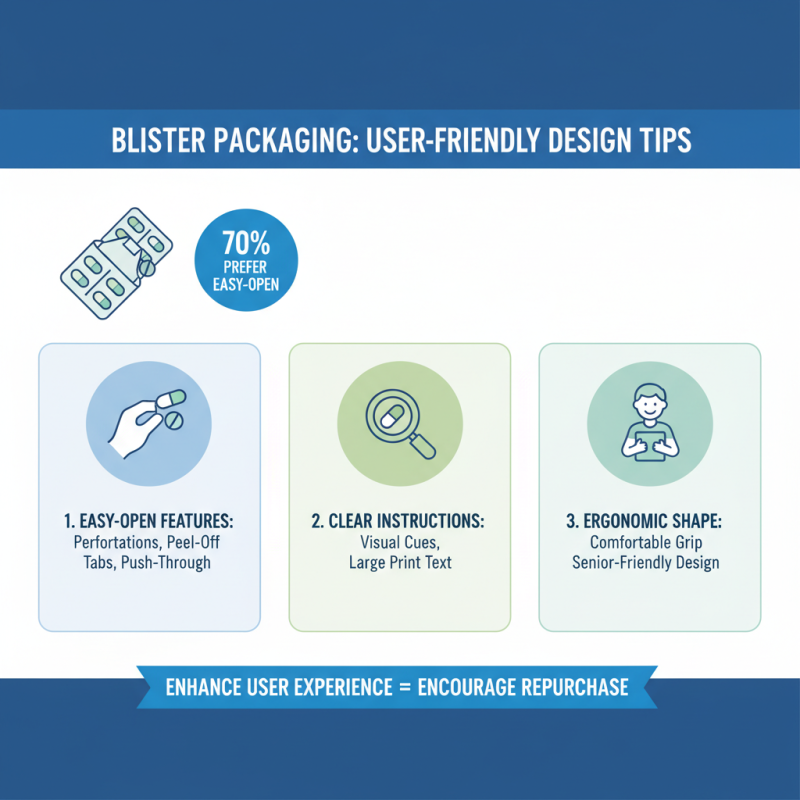
When designing blister packaging, incorporating functionality and user-friendliness is crucial. Research shows that 70% of consumers prefer packaging that is easy to open. A well-designed blister pack enhances user experience and encourage repurchase. Keeping this in mind, here are a few tips.
Creating packaging that is intuitive can significantly improve the customer experience. Use clear labeling and simple mechanisms for opening. Many users struggle with complicated designs. In fact, 48% of consumers have reported frustration when trying to access products. Therefore, focus on user-friendly features to reduce these challenges.
Material choice is also essential. According to a report, 55% of consumers are concerned about sustainability. Using recyclable materials not only addresses this concern but can also attract eco-conscious buyers. Make sure your packaging is both appealing and functional. A balance between aesthetics and usability is vital. It’s important to ensure that your packaging meets practical needs while being visually attractive.