Why is Blister Packaging Design Important for Product Success?
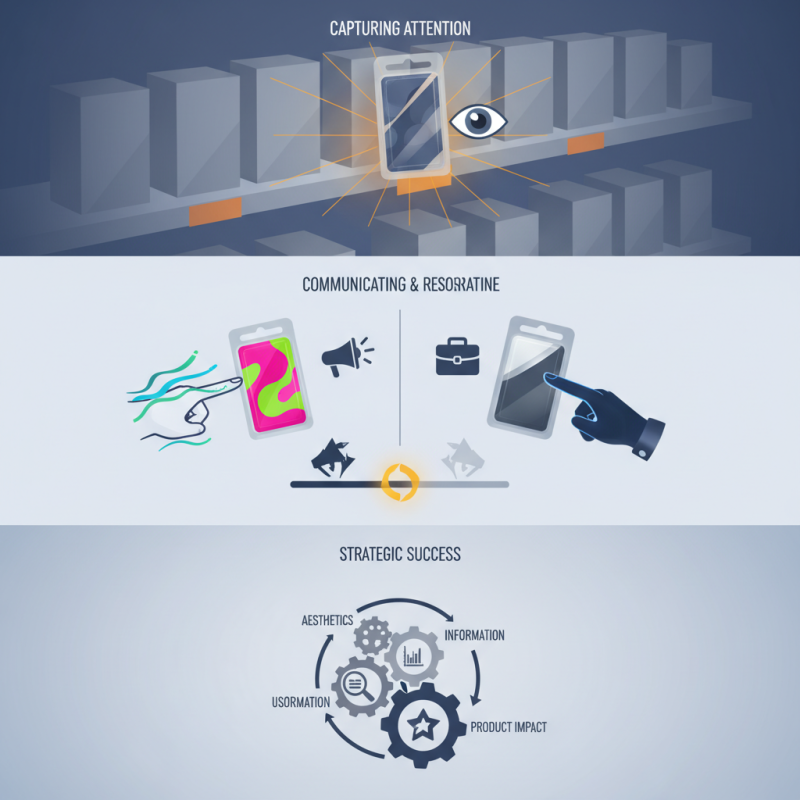
Blister packaging design plays a vital role in product success. It serves more than just a protective function; it captures consumer attention. The design can influence purchasing decisions significantly. A well-executed blister pack can enhance product visibility on crowded shelves. It can also communicate essential information to potential buyers.
Think about the colors and materials used in blister packaging. They need to resonate with the target audience. A vibrant design may attract younger customers, while a sleek look may appeal to professionals. However, achieving the right balance is tricky. Overly complex designs can confuse consumers. Meanwhile, too simple designs might fade into the background.
This highlights an ongoing challenge in packaging design. It's crucial to reflect on design choices critically. Are they truly engaging? Are they functional? The answers should guide improvements. Effective blister packaging design combines aesthetics, usability, and information. It's an art, but also a strategic tool in marketing. Finding that sweet spot is essential for product impact and success.
The Role of Blister Packaging in Protecting Product Integrity
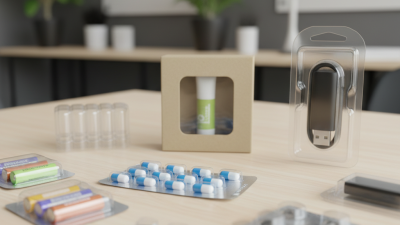
Blister packaging plays a crucial role in maintaining product integrity. It serves as a protective barrier that shields items from environmental factors. Factors like moisture, light, and air can degrade products. Blister packs are designed to keep these elements at bay. They are often used for pharmaceuticals, electronics, and consumer goods.
The design of blister packaging is not just about protection. It also offers visibility and easy handling. Consumers appreciate seeing the product they intend to buy. This type of packaging can enhance user experience. However, not all designs effectively combine protection with aesthetics.
Some may be difficult to open, causing frustration. A balance must be struck. Inefficient packaging can lead to waste and potential damage.
Moreover, sustainability should be considered in design. Many materials used in blister packaging are not recyclable. This poses a challenge for the environment. Brands are encouraged to innovate and find solutions that minimize waste.
It's a complex issue with no one-size-fits-all answer. Thoughtful design can make a difference in how products are perceived and preserved.
Key Factors Influencing Blister Packaging Design Choices
When it comes to product success, blister packaging design plays a vital role. The visual appeal of the packaging can attract customers in a crowded marketplace. However, looks alone are not enough. Functionality is equally important. A well-designed blister pack protects the product while providing easy access.
One key factor in blister packaging is material selection. The right plastic can enhance product visibility and durability. This can reduce waste and promote sustainability. Think about consumer habits. Many prefer eco-friendly options. Such considerations may shape your design choices. Always evaluate the trade-offs between cost and quality. Sometimes, the cheapest option may not serve well in the long run.
Consider usability as well. Packaging should be easy to open. It should not frustrate the consumer. A common mistake is over-engineering. Complexity can harm the user experience. Focus on intuitive designs that engage users. Stay open to feedback and iterate on your designs. This reflection can lead to improvements and increased satisfaction.
Impact of Blister Packaging on Consumer Appeal and Buying Decisions
Blister packaging plays a critical role in consumer appeal. Research shows that 72% of consumers consider packaging design when making purchasing decisions. This statistic emphasizes the need for brands to prioritize their packaging strategies. An aesthetically pleasing blister pack can attract attention on crowded shelves. It can influence a customer’s choice significantly.
Moreover, blister packaging offers practical benefits. It provides protection and visibility of the product inside. A study found that 65% of consumers prefer to see the product before buying. Packaging that highlights features or benefits can enhance attractiveness. However, it is essential to balance visual appeal with functionality. Overly complex designs can confuse consumers or lead to frustrating unboxing experiences.
Additionally, a practical challenge arises with sustainability concerns. While blister packs can be visually appealing, they often generate waste. A survey revealed that 54% of consumers are willing to pay more for eco-friendly packaging. Brands must consider this shift towards sustainability in their designs. It’s a reminder that packaging should evolve with consumer values.
Why is Blister Packaging Design Important for Product Success?
| Dimension |
Description |
Impact on Consumer |
| Product Visibility |
Clear packaging allows consumers to see the product directly. |
Increases consumer trust and likelihood to purchase. |
| Tamper Evidence |
Packaging shows signs of tampering. |
Enhances perceived safety and security of the product. |
| Portion Control |
Each blister contains a single dose or portion. |
Encourages responsible usage and minimizes waste. |
| Visual Appeal |
Attractive design that stands out on shelves. |
Draws attention and can influence impulse buying. |
| Information Display |
Contains important product information and branding. |
Educates consumers, aiding in informed purchasing decisions. |
Compliance and Regulatory Considerations in Blister Packaging Design
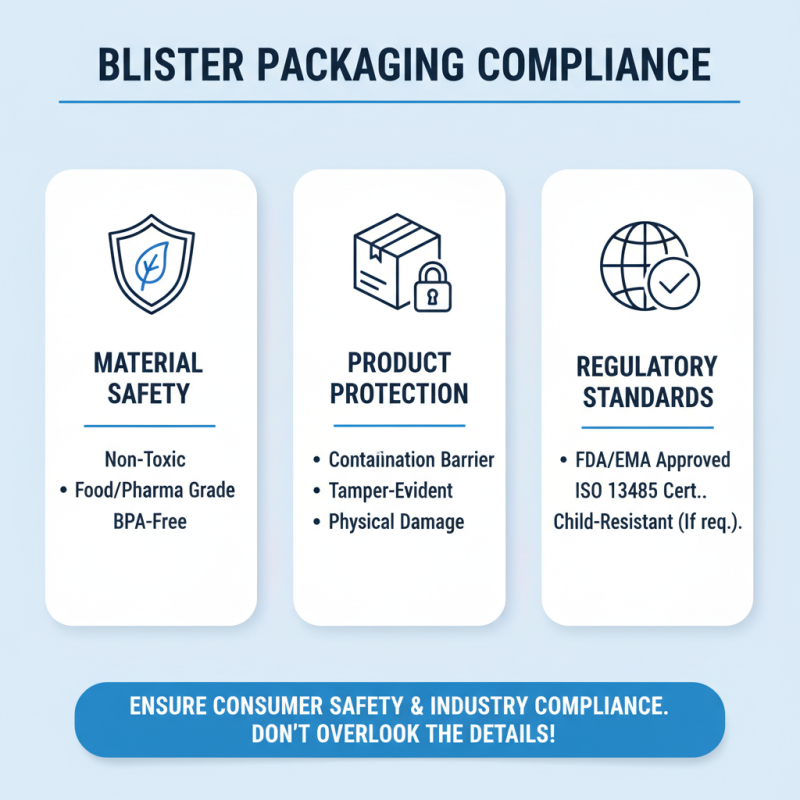
When it comes to blister packaging design, compliance and regulatory considerations are paramount. These guidelines ensure that products are safe for consumers and meet industry standards. For example, materials used must be non-toxic and suitable for food or pharmaceuticals. Packaging must also protect against contamination and damage during transit. Organizations often overlook these details.
Regulatory agencies require clear labeling. This includes accurate dosage information and expiration dates. Failing to comply might lead to legal issues. Additionally, improper packaging can result in customer dissatisfaction. If a product is difficult to open or lacks crucial information, it can reflect poorly on the brand.
Designers face challenges in balancing compliance with aesthetics. Sometimes, a unique design may not meet all safety standards. Continuous evaluation of packaging is essential. Understanding regulatory changes is vital too. Staying informed can help avoid costly penalties and recalls.
Innovations and Trends in Blister Packaging for Enhanced Experience
Blister packaging plays a crucial role in product presentation and functionality. Recent innovations have transformed its design, enhancing user experience significantly. For example, transparent materials allow customers to see the product clearly. This visibility boosts purchase confidence. Easy-to-open designs are also gaining traction. Consumers appreciate packaging that is user-friendly, especially for pharmaceuticals and electronics.
Sustainability trends are shaping blister packaging's future. Eco-friendly materials are becoming more popular, addressing environmental concerns. However, finding the right balance can be challenging. Companies sometimes compromise quality for sustainability, impacting product integrity. It's essential to use biodegradable or recyclable materials without sacrificing functionality.
Additionally, smart packaging technologies are emerging. Some blister packs can include QR codes for additional information. Others incorporate sensors for tracking freshness. These innovations enhance user interaction but can also overwhelm. Too much technology might detract from simplicity. Designers must reflect on how to integrate advanced features effectively. Clear communication remains vital in blister packaging.