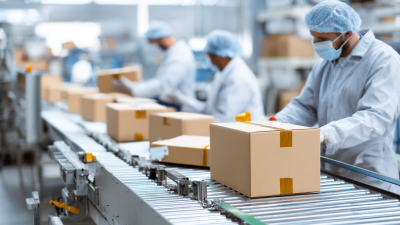
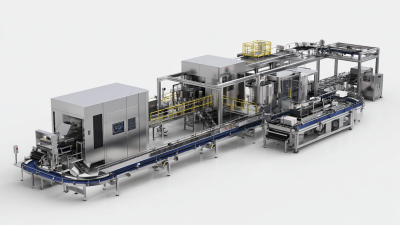
Why You Should Invest in an Automatic Packing Machine for Your Business Efficiency
In today's fast-paced commercial landscape, businesses are continuously seeking ways to enhance operational efficiency and streamline processes. One of the most effective investments to achieve these goals is the incorporation of an automatic packing machine into production lines. This technology not only accelerates packaging processes but also ensures consistency and accuracy, which are crucial for maintaining quality control. With increasing consumer demands and the necessity for rapid order fulfillment, an automatic packing machine can serve as a vital asset that elevates overall productivity and minimizes labor costs.
Moreover, the implementation of an automatic packing machine can lead to significant improvements in workplace safety. By reducing the need for manual packing tasks, businesses can lower the risk of workplace accidents and enhance the well-being of their employees. Furthermore, the automation of packaging processes allows companies to allocate their human resources toward more strategic functions, fostering innovation and growth. As businesses strive to remain competitive, investing in an automatic packing machine not only addresses immediate logistical challenges but also positions companies for long-term success in an ever-evolving market.

The Importance of Efficiency in Modern Business Operations
In the fast-paced landscape of modern business, efficiency stands as a critical pillar for sustainable growth and competitiveness. A study by the International Institute for Management Development (IMD) indicated that companies with streamlined operations achieved higher productivity rates, averaging a 20% increase in output while reducing operational costs by up to 15%. This shift toward efficiency is not just a trend but a necessity; as customer demands become more complex and time-sensitive, businesses must adapt to ensure timely fulfillment and optimal resource management.
One significant investment that can drive efficiency is the deployment of automatic packing machines. According to a report from MarketsandMarkets, the automatic packing machine market is projected to reach $45 billion by 2025, growing at a compound annual growth rate (CAGR) of 6.9%. This growth is attributed to the machines' ability to minimize human error, speed up packing processes, and enhance inventory management. By automating these processes, companies can redeploy their workforce towards more strategic tasks, ultimately leading to a more agile business operation. The integration of such technology not only elevates productivity but also contributes to greater accuracy in order fulfillment, enhancing overall customer satisfaction and loyalty.
Impact of Automatic Packing Machines on Business Efficiency
Understanding Automatic Packing Machines and Their Benefits
Automatic packing machines are revolutionizing the way businesses streamline their packaging processes. These machines are designed to enhance efficiency by automating repetitive tasks, thus allowing companies to focus on growth and innovation. By minimizing manual labor, businesses can significantly reduce the risk of errors and ensure consistent packaging quality. In addition, automatic packing machines offer the flexibility to handle various products, making them ideal for companies looking to scale their operations or diversify their product lines.
Tips for selecting the right automatic packing machine include assessing your production volume and product types. Understanding your specific needs will guide you in choosing a machine that fits seamlessly into your workflow without unnecessary downtime. Additionally, consider the integration capabilities of the machine with your existing systems, as this can further enhance productivity and reduce operational hiccups.
Investing in an automatic packing machine also has the added benefit of improving safety in the workplace. With machines taking on potentially hazardous tasks, the risk of workplace injuries decreases. It’s essential to train staff on proper machine operation and maintenance, ensuring a safe and efficient working environment. By prioritizing safety alongside efficiency, businesses can foster a healthier workplace culture while reaping the rewards of advanced packaging technology.
Key Features to Consider When Choosing an Automatic Packing Machine
When considering an investment in an automatic packing machine, it is crucial to evaluate its key features to enhance your business efficiency. One essential feature is the machine’s speed and throughput capacity. Reports indicate that automatic packing machines can significantly boost packing speeds by 50% or more compared to manual processes, which can lead to increased productivity. For instance, the Association for Packaging and Processing Technologies noted that companies integrating automatic packing systems have reported reductions in packing times, with some even achieving a 30% decrease in labor costs over time.
Another important consideration is the machine's versatility. A packing machine that supports various packaging formats—such as pouches, boxes, and shrink wraps—can adapt to different product lines and seasonal demands without requiring extensive reconfiguration. According to a recent market analysis by Research and Markets, businesses that rely on flexible packing solutions often experience a 20% increase in overall operational efficiency as they can swiftly switch between product types. Additionally, features such as easy-to-use interfaces, quick-changeover parts, and compatibility with existing conveyor systems should be prioritized to minimize downtime and training expenditures.
Finally, ensure the automatic packing machine incorporates advanced technologies such as vision systems and integrated weight checking. These features enhance quality control measures, reduce waste rates, and ensure compliance with packaging standards. Industry reports have suggested that machines with such capabilities can lower defect rates by up to 15%, thus improving overall product quality and customer satisfaction.
Cost-Benefit Analysis: Evaluating Investment in Automation
Investing in an automatic packing machine can seem daunting at first, but a thorough cost-benefit analysis reveals the long-term advantages that outweigh the initial expenditure. By automating your packing processes, you can significantly reduce labor costs and minimize human error. For instance, a machine can operate continuously, enabling you to maintain higher production levels and meet increasing demand without the need for additional staff. Over time, the savings on labor and the enhanced efficiency can result in a favorable return on investment.
Tips for evaluating your investment include calculating the total costs associated with manual packing, such as wages, benefits, and potential overtime. Compare these to the operational costs of an automatic packing machine, factoring in maintenance and training costs for staff. Additionally, consider the potential for reduced waste and improved accuracy in packaging, which can lead to fewer returns and enhanced customer satisfaction. Gather data on your current output and project how an automatic solution can help you scale production effectively.
Another critical aspect is to assess the lifespan and versatility of the packing machine. Many modern machines can adapt to various product types, which adds significant value to your investment. If you foresee changes in your product line or seasonal demand fluctuations, investing in a machine that can accommodate these changes will ensure long-term viability. Engage with suppliers to understand the features and specifications that best meet your business needs while keeping an eye on future growth opportunities.
Real-World Examples of Businesses Thriving with Packing Automation
In the competitive landscape of modern business, many companies have turned to packing automation to enhance their operational efficiency. One notable example is a food processing company that implemented an automatic packing machine, which drastically reduced their packaging time. By automating the packing process, they were able to increase their production capacity while minimizing labor costs. This transition allowed them to not only keep up with growing demand but also maintain consistent product quality, resulting in higher customer satisfaction and retention rates.
Another case worth mentioning is a cosmetic manufacturer that adopted automated packing solutions to streamline their workflow. This business faced challenges with tedious manual packing that often led to errors and wastage. With the introduction of an automatic packing machine, they experienced a significant surge in productivity. The machine's precision ensured that each product was packed accurately, thereby reducing returns and enhancing overall efficiency. This investment in automation not only improved their bottom line but also allowed them to focus on innovation and expanding their product line, demonstrating how packing automation can drive growth in various sectors.
Why You Should Invest in an Automatic Packing Machine for Your Business Efficiency - Real-World Examples of Businesses Thriving with Packing Automation
| Business Type |
Initial Investment ($) |
Annual Savings ($) |
Increase in Packaging Speed (%) |
Return on Investment (%) |
| E-commerce Retailer |
50,000 |
30,000 |
150 |
60% |
| Food Manufacturer |
75,000 |
45,000 |
120 |
60% |
| Cosmetics Producer |
40,000 |
25,000 |
140 |
62.5% |
| Electronics Assembler |
65,000 |
35,000 |
130 |
53.8% |