What is a manual blister sealing machine and how does it work?
A manual blister sealing machine is an essential tool in many industries. It is widely used for packaging pharmaceuticals, food, and small consumer goods. This device is designed to create airtight seals that protect products and enhance shelf life.
The operation of the manual blister sealing machine is relatively straightforward. Users place a product in a cavity and cover it with a plastic film. Heat and pressure are then applied to seal the film securely. This simple yet effective method ensures that products remain fresh and secure during storage and transportation.
However, while manual machines offer ease of use, they may not be ideal for every application. Manual sealing requires skill and attention to detail. Operators need to ensure that settings are correct. Overheating or excessive pressure can lead to damaged seals. This highlights the importance of training and experience when operating this equipment. Like any machine, the manual blister sealing machine has its pros and cons, which necessitates careful consideration.
Understanding Manual Blister Sealing Machines: An Overview
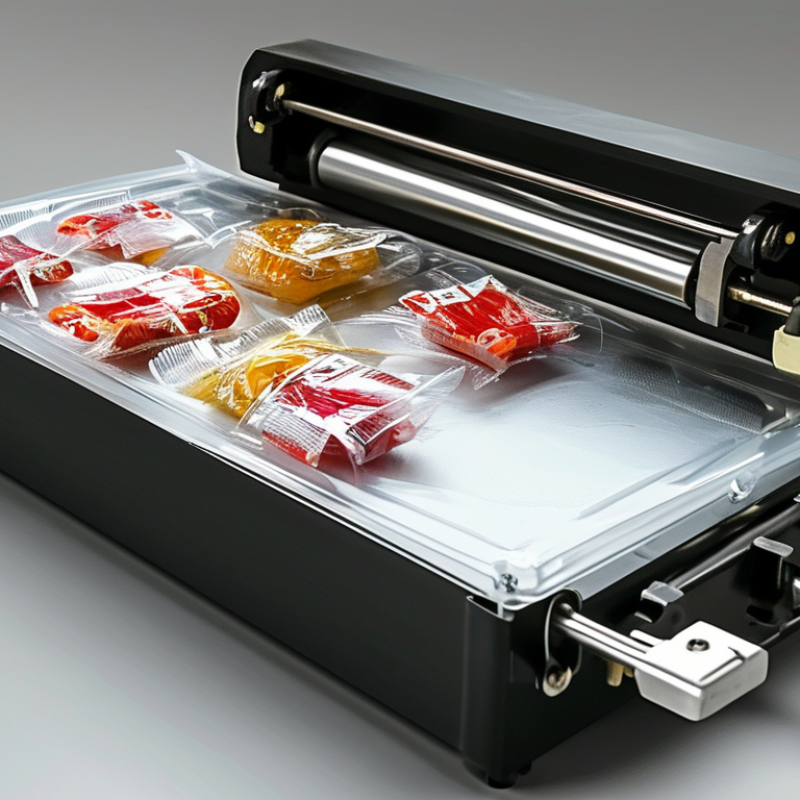
Manual blister sealing machines are essential tools in packaging. They provide a controlled method for sealing products within blisters. These machines are often used in various industries, such as pharmaceuticals and food packaging.
A manual machine typically involves a simple setup. Operators place a product in a cavity and cover it with a film. They then activate the sealing process. This usually involves applying heat and pressure. The result is a secure seal that protects the product from damage and contamination. The process can be labor-intensive and requires careful handling. Mistakes can occur, such as improper alignment or insufficient sealing time.
Despite their simplicity, manual blister sealing machines have limitations. The speed is considerably slower compared to automated systems. Operators must pay close attention to details to achieve optimal results. Training is essential, as operators need to understand the materials and settings. Variations in temperature and pressure can affect seal integrity. Regular maintenance is also necessary to ensure consistent performance.
Key Components of a Manual Blister Sealing Machine
A manual blister sealing machine is a simple yet effective device used in packaging. It primarily consists of several key components. The heating element is crucial; it melts the sealing material. Temperature control ensures the heat is precisely calibrated. This enables the formation of a strong seal, avoiding product contamination.
The frame provides structural stability. Made from durable materials, it supports other components. The operator table allows for easy arrangement of items needing packaging. Closing mechanisms are also significant. They ensure the blister packs are tightly sealed. However, improper handling can lead to inconsistent seals and wasted materials.
Another important aspect is the vacuum system. This removes air from the blister pack, extending product shelf life. While manual machines are user-friendly, they require careful attention. Operators must monitor each step to prevent common errors. Small oversights can affect the quality of the final product. Constant practice is essential for mastering the process and achieving desired results.
Step-by-Step Process of Operating a Manual Blister Sealing Machine
Operating a manual blister sealing machine requires attention to detail. Start by preparing your materials. Ensure that the blister packs and sealing film are properly aligned. This step is crucial for a successful seal. An error here can lead to product exposure and spoilage.
Next, set the temperature and time according to the material specifications. Each plastic type may have different requirements. Testing on a few samples can prevent waste. Position the trays correctly in the machine. Misalignment often leads to poor seals, wasting both time and resources.
After sealing, inspect each pack for integrity. Check for any weak seals or air pockets. This inspection can save future problems. If a seal fails, adjustments may be needed to temperature or pressure. Continuous improvement in this process enhances reliability and product quality. Even small adjustments can lead to significant results.
Manual Blister Sealing Machine Operation Efficiency
This bar chart illustrates the time metrics involved in operating a manual blister sealing machine, highlighting setup time, cycle time, cooling time, and the total process time. This data provides insight into the efficiency of manual blister sealing processes.
Advantages of Using Manual Blister Sealing Machines in Packaging
Manual blister sealing machines offer various benefits in the packaging industry. These machines are affordable and easy to use, making them accessible for small businesses. Their design allows for flexibility in production, accommodating various product shapes and sizes. Operators can quickly adjust settings based on specific requirements, enhancing efficiency.
One significant advantage is the control operators have over the sealing process. This control can lead to improved product safety and integrity. When used correctly, manual machines create strong seals that help prevent contamination. However, the learning curve can be steep for some users. It may take time to master the techniques necessary for achieving optimal results. Thus, hands-on experience is critical.
Reliability is another important consideration. Manual blister sealing machines generally require less maintenance than automated systems. However, regular check-ups are essential to maintain performance. Despite being less complex, issues can arise, leading to downtime. Therefore, proper training and consistent practice are crucial for smooth operation.
Common Applications and Industries Utilizing Manual Blister Sealing Machines
Manual blister sealing machines play a crucial role in various industries. They are commonly used in the pharmaceutical sector for packaging medicines. These machines create airtight blisters that protect pills from moisture and air, thus extending their shelf life. In addition, they allow for easy visibility of the product, aiding in consumer transparency.
Another industry that benefits from manual blister sealing is the food sector. Products like snacks and ready-to-eat meals often require protective packaging to maintain freshness. Manual machines provide a cost-effective solution. Operators can easily adjust the settings for different product sizes. This flexibility is vital for small businesses and startups.
Despite their advantages, relying solely on manual blister sealing can present challenges. Efficiency may be lower than with automated systems, especially for high-volume production. Operators need training to ensure consistent sealing quality. Also, manual machines require regular maintenance to function optimally. Identifying these weaknesses can help businesses make informed decisions. Investing in training and upkeep is essential for maximizing the potential of manual blister sealing machines.