Top Packaging Machinery Trends for Global Buyers in 2026?
As the global packaging machinery market evolves, industry players must stay informed on emerging trends. According to a report by Research and Markets, the packaging machinery industry is expected to reach $55 billion by 2026. This growth is driven by advancements in automation and sustainable packaging solutions. Packaging machinery has become essential for businesses seeking efficiency and eco-friendliness.
In recent years, companies have increasingly adopted smart technologies. These innovations optimize production processes, reduce waste, and enhance supply chain transparency. The integration of IoT in packaging machinery enables real-time data collection, which is vital for decision-making. However, many businesses face challenges in adapting to these rapid changes. While these technologies promise improved output, high initial costs and training requirements can be barriers.
Understanding market demands is crucial for success. Consumer preferences are shifting towards sustainable and personalized packaging. Reports indicate that businesses focusing on these trends will have a competitive edge. The evolving landscape of packaging machinery presents opportunities and hurdles. Buyers need to approach these trends with a critical eye, ensuring investments align with long-term goals.

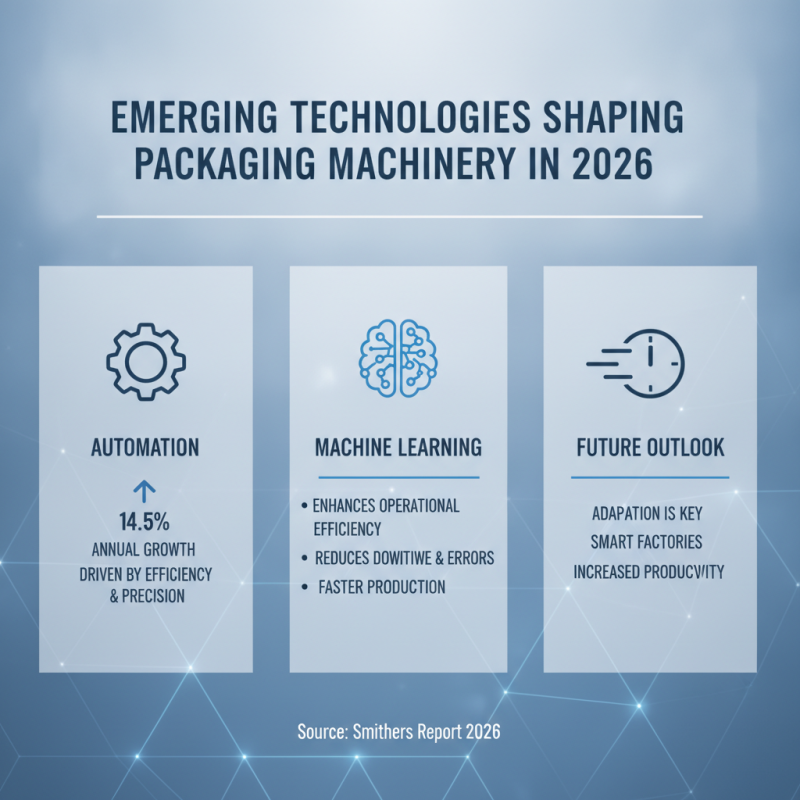
Emerging Technologies Shaping Packaging Machinery in 2026
As the packaging machinery sector evolves, emerging technologies are shaping its future significantly. In 2026, automation will stand at the forefront. A report by Smithers predicts that automation adoption in packaging will grow by 14.5% yearly. This trend is driven by the demand for efficiency and precision. Many manufacturers now explore machine learning to enhance operational efficiency. The goal is to reduce downtime and errors, allowing for faster production.
Sustainability is another critical trend in packaging machinery. The rise in eco-conscious consumers has pushed manufacturers to innovate. According to a recent Packaging Innovation report, 75% of buyers prefer sustainable packaging solutions. Companies are investing in machinery that accommodates biodegradable materials. These advancements may lead to challenges. Transitioning to new technologies requires training. Not all workforce members may adapt swiftly to these changes.
Moreover, smart technology integration is altering packaging processes. The Internet of Things (IoT) allows for real-time monitoring and maintenance. A forecast states that the IoT market in packaging will reach $18 billion by 2026. However, data security remains a concern. Companies face the risk of cyber threats. They must invest not only in technology but also in cybersecurity measures to protect valuable information. Balancing innovation and security will be crucial for the industry’s growth.
Sustainable Packaging Solutions and Their Impact on Machinery Design
Sustainable packaging solutions are reshaping the machinery design landscape. In 2026, the demand for eco-friendly packaging is projected to account for 30% of the global market. This shift significantly influences the technology and materials used in machinery.
Manufacturers are now focusing on designs that accommodate biodegradable and recyclable materials. A report from the Smithers Group notes that over 50% of packaging machinery innovations will prioritize sustainability. These changes reflect consumers' preferences for environmentally responsible products. Machinery must adapt, leading to the integration of advanced sensors and energy-efficient systems, which can enhance production efficiency.
Challenges remain. Not all sustainable materials process the same way. Specific machinery may be required for different types of eco-friendly materials. This complexity can lead to higher initial costs and longer transition times. Industry experts note that companies must rethink their approaches to manufacturing and supply chains. Balancing sustainability with operational efficiency is essential for long-term success in the packaging sector.
Top Packaging Machinery Trends for Global Buyers in 2026
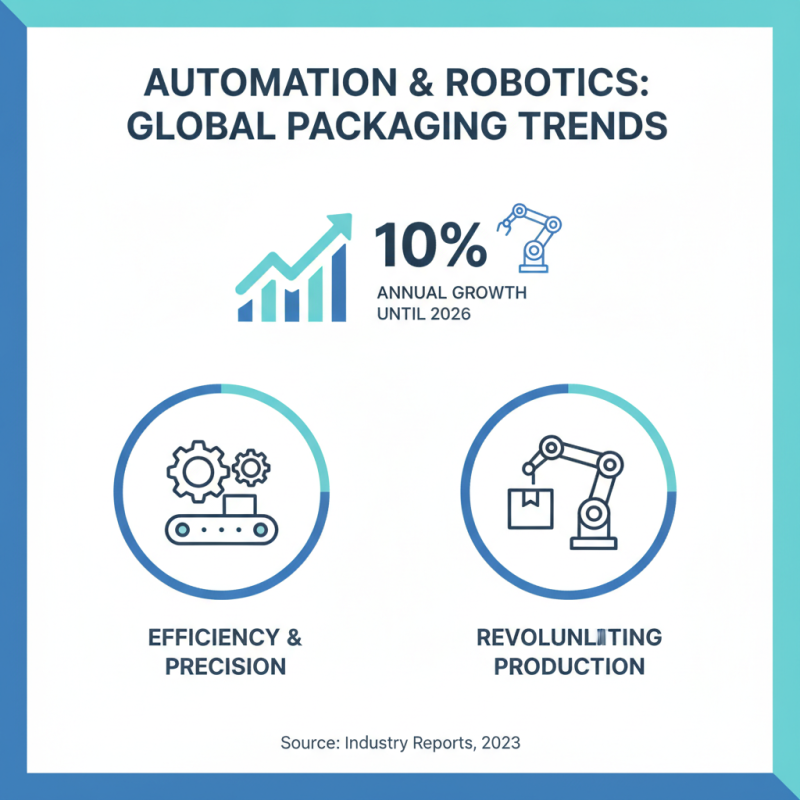
Automation and Robotics Trends in Global Packaging Systems
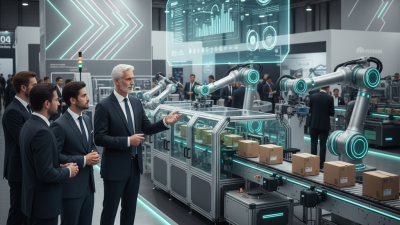
Automation and robotics are revolutionizing global packaging systems. According to recent industry reports, the automation market in packaging is expected to grow by 10% annually until 2026. This growth is driven by increasing demand for efficiency and precision in production lines.
Robotic systems are becoming more prevalent in various packaging processes. For instance, automated palletizing solutions can reduce labor costs and increase speed. In 2023, over 30% of packaging plants implemented some form of robotic automation. However, not all companies have adopted these technologies effectively. Gaps in training and inadequate integration can hinder productivity.
The adoption of automation is not without challenges. Smaller businesses often struggle with upfront costs and technical know-how. Many companies find their existing machinery incompatible with new automation solutions. This disconnect can create operational bottlenecks, limiting overall efficiency. Addressing these issues is crucial for companies aiming to stay competitive. As technology evolves, solutions must also adapt to ensure all businesses can harness the power of automation.
Customization and Flexibility in Modern Packaging Equipment
Customization and flexibility are central to modern packaging machinery. As the industry evolves, buyers are increasingly seeking solutions that cater to specific needs. Packaging machinery must adapt quickly to varying product types and sizes. This requires advanced technology and design that allows for quick changeovers. Many companies now prioritize modular systems that can be reconfigured with ease.
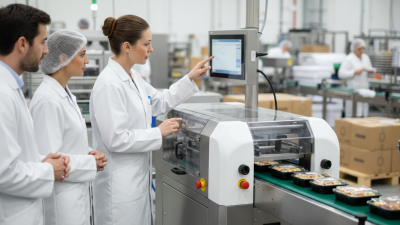
Machine manufacturers are recognizing the importance of user-friendly interfaces. Intuitive controls enable operators to adjust settings promptly. This efficiency benefits production lines, especially when dealing with different packages. However, achieving this level of adaptability can be challenging. Not all manufacturers have the resources to invest in the latest technology.
Moreover, the demand for sustainability adds another layer of complexity. Buyers desire eco-friendly materials and processes. Companies must innovate not only in functionality but also in environmental impact. Balancing customization, flexibility, and sustainability poses significant challenges. Reflecting on these demands, the industry must continuously rethink its approaches.
The Role of Smart Technologies and IoT in Packaging Innovations
The role of smart technologies and the Internet of Things (IoT) in packaging innovations is reshaping the industry landscape. Reports predict that the global smart packaging market will reach $64 billion by 2026. This growth stems from brands pursuing enhanced traceability and consumer engagement. IoT devices capture real-time data, allowing companies to optimize their supply chain and reduce waste.
Implementing smart technologies can be complex. For instance, integrating sensors into packaging may require upfront investment. However, the long-term benefits include improved efficiency and better resource management. Packaging machinery equipped with IoT capabilities can alert manufacturers to issues before they escalate, ensuring minimal downtime.
Tips: Focus on user-friendly interfaces when choosing packaging machinery. Simplifying operations can enhance productivity. Additionally, continuous training for staff on new technologies is crucial. Foster an environment of adaptability to thrive in an evolving market. Leveraging smart technologies is not without its challenges, but the potential for innovation is significant. Embrace the ongoing transformation to remain competitive.
Top Packaging Machinery Trends for Global Buyers in 2026
| Trend |
Description |
Impact on Industry |
Percentage Adoption by 2026 |
| Smart Packaging |
Use of sensors and indicators to provide real-time information about the product. |
Enhances consumer experience and product freshness. |
75% |
| IoT Integration |
Devices connected to the internet for data sharing and monitoring. |
Improves efficiency and predictive maintenance. |
68% |
| Sustainable Materials |
Biodegradable and recyclable materials replacing traditional plastics. |
Reduces environmental impact. |
80% |
| Automation and Robotics |
Increased use of robots for packaging tasks. |
Enhances speed and reduces labor costs. |
70% |
| Personalization |
Custom packaging solutions tailored to consumer preferences. |
Increases engagement and brand loyalty. |
65% |