Top Polypropylene Bag Suppliers for Global Buyers
For global buyers, choosing a Polypropylene Bag Supplier is about more than comparing prices. It means checking whether bags can withstand filling, stacking, and long-distance handling. Small details matter: fabric weight, seam consistency, coating, and clear print registration. OECD’s Global Plastics Outlook reports that plastic production reached 460 million tonnes in 2019. That figure covers plastics broadly, not polypropylene bags alone. Still, it shows the scale of material flows behind modern packaging—and why buyers should ask precise questions about product performance and sourcing.
Packaging educator Walter Soroka describes packaging as “the science, art and technology of enclosing or protecting products for distribution, storage, sale, and use.” His definition offers a useful test: does the bag protect the product through its actual supply chain? A supplier’s sample may look sturdy on a clean desk. The same bag faces different demands on a humid loading dock or beneath a heavy pallet. Request samples, technical specifications, and relevant test results before placing a large order. Ask how the supplier controls dimensions, stitching, and batch consistency. These checks cannot remove every risk. They can reveal gaps early.
This guide compares suppliers through practical criteria, including customization, production capacity, communication, and quality documentation. A low quote can be tempting. It may not include the details that matter most. Buyers should also verify claims independently; supplier statements are not the same as third-party evidence. I may be giving seam quality extra weight, but a split seam can undo an otherwise well-planned shipment.
Polypropylene Bag Types: Woven Sacks and FIBCs for Bulk Packaging
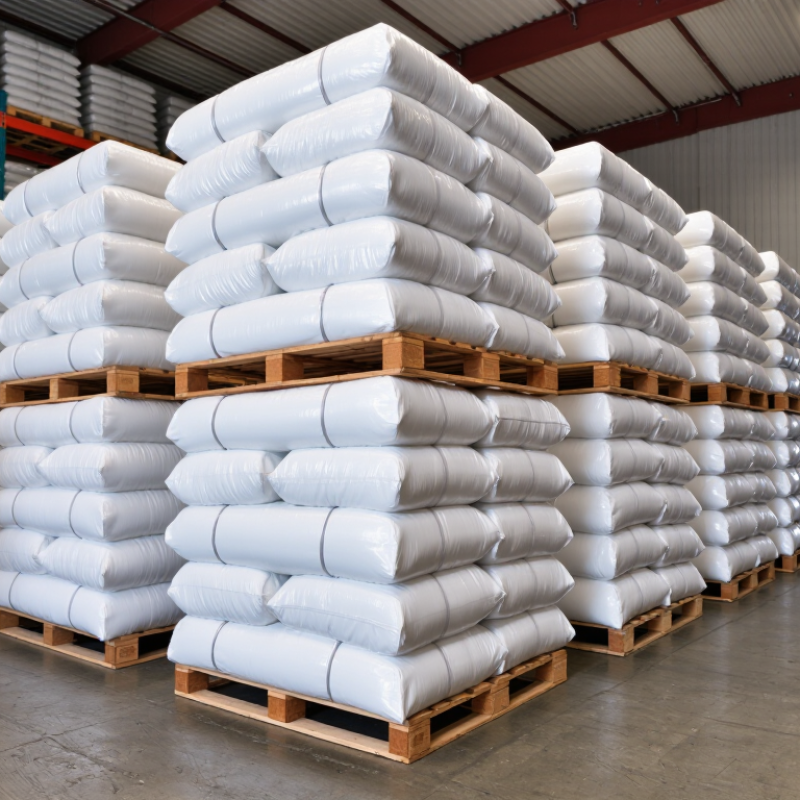
Polypropylene packaging ranges from compact woven sacks to large flexible intermediate bulk containers, or FIBCs. Woven sacks suit measured loads such as grain, feed, and mineral materials. Their fabric handles stacking and repeated movement, while liners can help limit moisture exposure. FIBCs hold much larger loads and use lifting loops for forklift handling. Small details matter.
FIBCA technical guidance describes common FIBC safe working loads of 500–2,000 kg. Buyers should check the rated load, lifting method, filling and discharge design, and whether a liner is needed. ISO 21898 sets design and testing requirements for FIBCs used with non-dangerous goods. A sack that looks sturdy is not proof of suitability; load testing and clear handling instructions matter.
The scale of packaging makes careful selection worthwhile. Smithers’ report The Future of Global Packaging to 2028 estimated the global packaging market at about US$1.17 trillion in 2023. That figure covers many formats, not just polypropylene bags, but it reflects how broadly packaging supports supply chains. For global shipments, compare dimensions, fabric weight, stitching, and pallet fit using the actual product and route. Over-specifying can add cost; under-specifying can damage cargo. The trade-off is not always obvious.
Common Woven-Sack Capacities: 25–50 kg per Bag
For global buyers, 25–50 kg is a practical range for woven polypropylene sacks, but the stated capacity is a weight, not a fixed volume. A 25 kg sack can be easier to lift and portion by hand; a 50 kg sack may reduce bag counts but needs suitable handling. Grain, feed, and granular minerals settle differently, so ask suppliers to test the intended product. Check filled dimensions, seam strength, liner requirements, and stacking conditions before approving a specification. Small details matter.
The OECD’s 2022 Global Plastics Outlook reports that packaging generated about 40% of global plastic waste in 2019. This is a broad packaging statistic, not a measurement of woven sacks, but it supports paying attention to sack life and material use. For a 50 kg fill, a stronger weave is not automatically better: excess material can add cost without solving weak seams or rough handling. Request sample bags, weigh them filled, and inspect stitching after transport trials. I would also verify UV protection for outdoor storage; it is easy to overlook, and actual exposure varies by site.
Supplier Evaluation: Compare Fabric GSM, Coatings, Printing, and Testing
When comparing polypropylene bag suppliers, request GSM for both the base fabric and the finished, coated bag. A single figure can hide coating weight. Ask for the test method, sample size, and production tolerance, then compare like with like. Check a physical sample: feel for uneven weave, pinholes, and weak seams. Higher GSM alone does not guarantee a stronger bag.
Coatings should match the job. A thin coating may reduce moisture entry, but it cannot make stitched seams waterproof. For printed bags, ask for rub-resistance results and inspect small text, ink coverage, and color consistency. ASTM D5264 describes a rub-testing method for printed materials; request the actual test conditions and results, not just a pass claim. Numbers need context. For bulk flexible intermediate containers, ISO 21898 provides performance requirements, but it does not automatically apply to every woven bag.
Supplier claims about recycled content deserve the same scrutiny. The OECD’s Global Plastics Outlook (2022) reports that only 9% of plastic waste was recycled in 2019. Ask for traceable documentation and clarify whether the claim covers the fabric, coating, or whole bag. A common evaluation mistake is overvaluing a polished sample. Request production-lot test records too; one sample may not reflect routine output. That gap matters.
Global Purchasing: Verify Certifications, Lead Times, and Shipping Terms
When evaluating polypropylene bag suppliers, request current certification documents and check that their scope covers the specific product and production site. A certificate alone is not enough. Confirm its validity with the issuing organization, and ask for recent inspection or quality records. For a custom order, compare a physical sample with the agreed fabric weight, dimensions, stitching, and print placement. A small mismatch can become costly across thousands of bags.
Lead times need detail. Ask how many days cover sampling, material preparation, production, and dispatch; these are often separate stages. Confirm the quantity available per shipment and how delays will be reported. Shipping quotes should state the named delivery point and clarify who handles freight, insurance, export documents, and destination charges. Put these points in the purchase agreement. Even experienced buyers can overlook a local handling fee.
Tips: Request a dated production schedule and a sample approval record. Keep written confirmation of shipping responsibilities. Leave a buffer for port congestion; estimates are not guarantees.
