Top Tips for Choosing the Best Blister Machine Packing?
In today’s packaging industry, blister machine packing plays a crucial role. This method accounts for over 30% of all pharmaceutical product packaging globally. It provides excellent protection and visibility for products, making it a preferred choice for many manufacturers.
Choosing the right blister machine is essential. Many companies face challenges in this process. The variety of options can be overwhelming, and mistakes can lead to increased costs. Industry reports indicate that improper selection can raise production costs by up to 25%.
Focusing on specific features like material compatibility and machine efficiency is vital. For instance, a recent study found that machines with advanced sealing technology improve product integrity significantly. Investing in the right blister machine can enhance operational efficiency and reduce waste. However, it’s important to remain realistic about budget constraints and long-term needs. The right balance can lead to successful outcomes.
Understanding the Basics of Blister Packaging Machines
Blister packaging machines play a crucial role in various industries. They provide an effective solution for product protection and display. The global blister packaging market was valued at approximately $17 billion in 2022 and is expected to grow. This growth reflects increasing demands from pharmaceuticals and consumer goods.
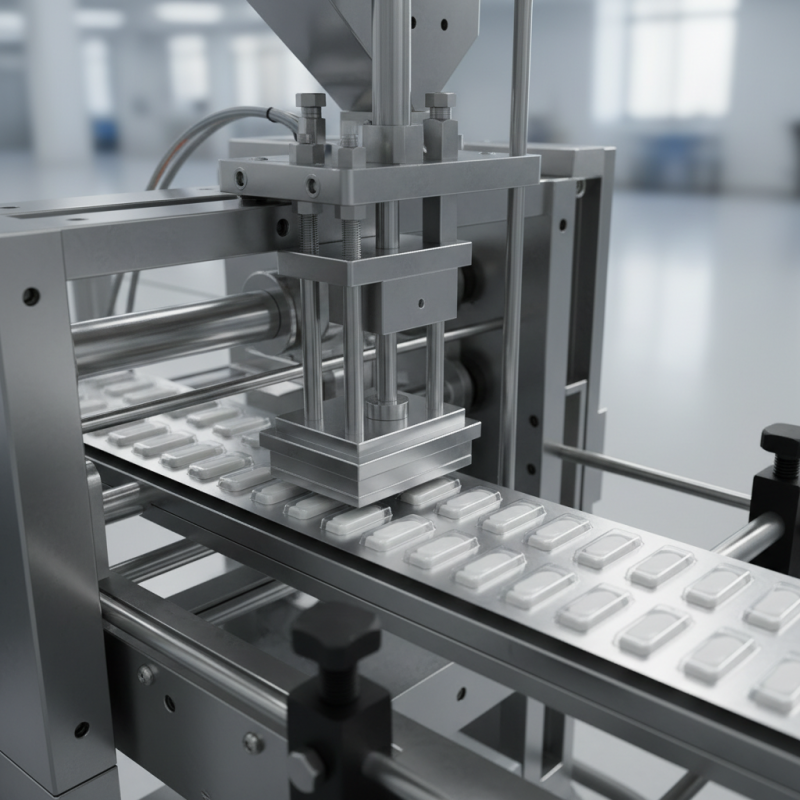
Choosing the right blister machine requires understanding its basic components. Key parts include the forming station, sealing station, and cutting mechanisms. Each machine has unique specifications regarding speed and efficiency. For instance, machines can operate at speeds exceeding 300 cycles per minute.
However, not all machines are created equal. Often, the need for maintenance can be overlooked. Regular inspections are essential for ensuring optimal performance. Neglecting this can lead to increased downtime and reduced output. Additionally, operators must be trained properly to minimize human errors. This emphasis on training is critical for maximizing the machine's potential.
Key Features to Consider When Selecting a Blister Machine
When selecting a blister machine, consider several key features. Precision in sealing is crucial. Machines should maintain consistent temperature control. This ensures that every blister is sealed properly. An unreliable seal can lead to product spoilage. Look for units with adjustable speed. This can help in accommodating varying production needs. Flexibility is essential for changing demands.
Another important factor is usability. A user-friendly interface can make operation smoother. Complex controls can lead to mistakes. Simple designs often result in better efficiency. Evaluate the machine’s maintenance needs, too. Regular upkeep can be a hassle if it’s too complicated. An easily accessible maintenance schedule may save time and effort.
Finally, materials compatibility matters. Not all machines work with every type of film. Make sure the machine fits the materials you plan to use. Testing with a small batch can prevent larger issues down the line. Remember, a well-chosen machine can enhance productivity significantly. Don’t overlook these details during your selection.
Top Tips for Choosing the Best Blister Machine Packing
This bar chart illustrates the key features to consider when selecting a blister machine. The five dimensions represent important attributes and the corresponding values highlight their significance in the decision-making process.
Assessing Production Efficiency and Speed Requirements
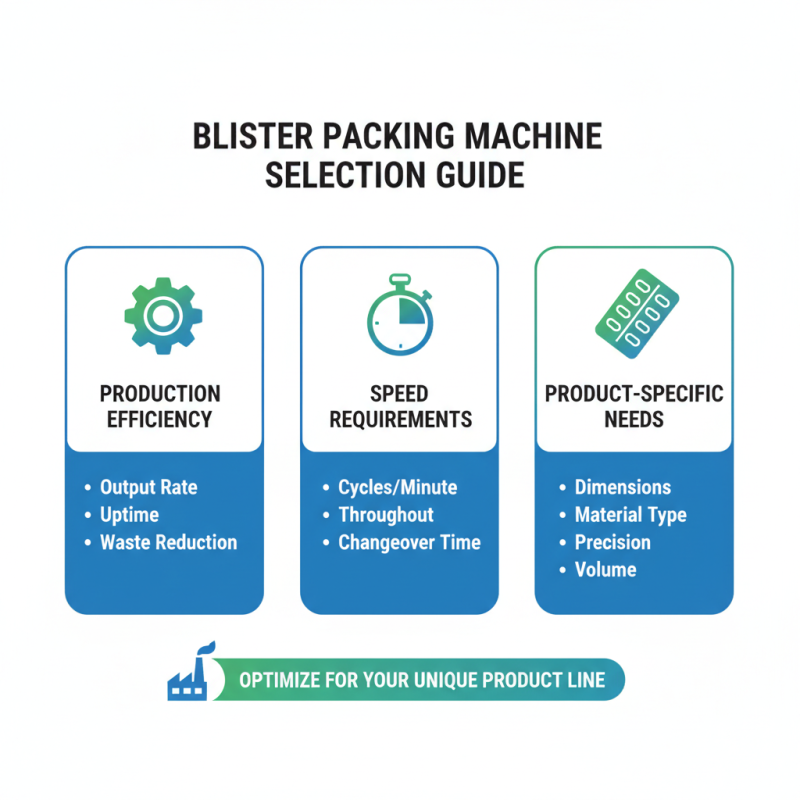
When selecting a blister packing machine, evaluating production efficiency and speed requirements is crucial. Every product line has distinct needs. A machine that works for one item may not be suitable for another. Think about the product dimensions and material. Some packs need more precision. Others prioritize speed.
It's important to assess how many units you need to produce daily. For high-demand scenarios, a faster machine is essential. But faster isn't always better. It may lead to quality issues. Often, speed may compromise the packing integrity, resulting in damaged goods. Finding the right balance requires careful thinking.
Consider potential bottlenecks in the production line. If the blister machine can't keep up, delays will occur. This can lead to increased operational costs. Machine adjustments may be needed. Training staff to optimize speed can also be a factor. Reflect on your production goals. Identify areas that require improvement. Addressing these points will enhance overall efficiency.
Material Compatibility for Optimal Blister Packaging
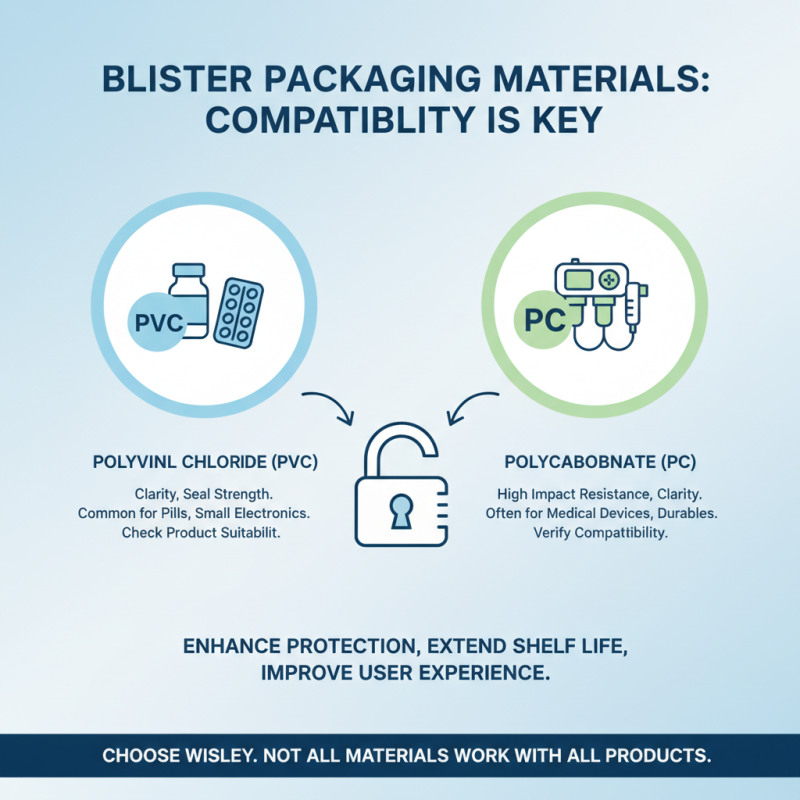
When selecting materials for blister packaging, compatibility is key. The right material can enhance protection, extend shelf life, and improve user experience. Polyvinyl chloride (PVC) and polycarbonate (PC) are popular choices. They provide excellent clarity and seal strength. However, they may not work well with all products.
Consider the product's nature. Some medicines may react with PVC. Always test compatibility. This can save time and costs in the long run. Remember, not all materials are equal. You might find yourself facing unexpected challenges. For instance, certain products may require moisture barriers. In such cases, materials like foil or coated film are essential.
Think about the environmental impact too. Many companies seek sustainable options. The industry is shifting towards eco-friendly materials. This can influence material choice, but it's not a straightforward decision. There's often a trade-off between performance and sustainability. Take the time to evaluate your options carefully.
Budgeting and Cost Factors in Choosing a Blister Machine
When selecting a blister machine, budgeting is crucial. Costs vary widely based on machine type and features. According to industry reports, the average price for a good-quality blister packing machine ranges from $30,000 to $150,000. Features such as automation and speed can drive up costs significantly. A fully automated machine might offer more efficiency but comes with increased upfront costs that some manufacturers may not afford.
Maintenance is another cost factor. Regular servicing and repairs can add to long-term expenses. Data from equipment maintenance studies suggest that about 15% of the total cost of ownership goes into upkeep. Manufacturers should account for these ongoing expenses during their budgeting process.
Additionally, consider the size and production capacity of the machine. Larger machines often need more space and may require specific installation conditions. This could necessitate additional investment in logistics and infrastructure. Companies may find themselves needing to rethink their initial cost estimates. Balancing all these factors is essential for making informed decisions.