Top 10 Benefits of Using Blister Sealing Machines for Packaging?
In today’s fast-paced packaging industry, a blister sealing machine stands out as a crucial tool. Its ability to efficiently package products enhances both safety and presentation. With the growing demand for quality packaging, businesses increasingly rely on this technology.
The benefits of using a blister sealing machine are noteworthy. These machines ensure that products are securely sealed, minimizing the risk of contamination. They also provide a clear view of the product, enhancing consumer appeal. However, not all blister sealing machines are created equal. Some may struggle with consistency, leading to wasted materials and time.
Investing in a high-quality blister sealing machine is essential. Doing so can improve efficiency and reduce operational costs over time. Companies must also consider maintenance and training requirements. These factors play a significant role in maximizing the machine's performance. Ultimately, the right blister sealing machine can be a game changer in packaging efficiency.
Benefits of Enhanced Product Protection with Blister Sealing Machines
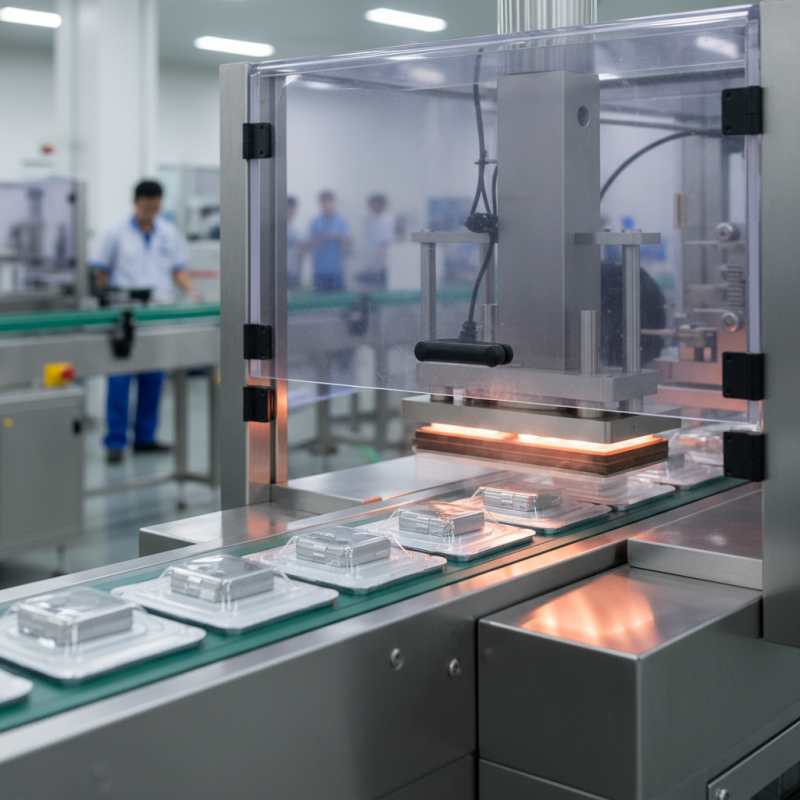
Blister sealing machines have become essential in the packaging industry. They offer significant advantages in product protection. These machines create a barrier against moisture, light, and air. According to a report by MarketsandMarkets, the global blister packaging market is projected to reach $33.4 billion by 2025. This growth highlights the increasing need for effective product preservation.
Enhanced product protection is critical, especially in pharmaceuticals. A study indicates that approximately 30% of medication waste occurs due to damage during transportation. Blister packs minimize this waste by securely enclosing products. This method not only extends shelf life but also reduces returns due to damaged goods. Colors and graphics used in blister packaging also play an essential role in customer attraction and retention.
However, some challenges arise. Blister sealing machines can be costly and require regular maintenance. Manufacturers must weigh the costs against potential benefits. Proper training for staff is also necessary to ensure efficiency and quality in the sealing process. While these machines offer improved product safety, oversight in production can lead to errors. Ignoring these factors may affect overall packaging effectiveness. Implementing these machines is not without its complexities but the potential benefits are undeniable.
Top 10 Benefits of Using Blister Sealing Machines for Packaging
| Benefit |
Description |
| Enhanced Product Protection |
Blister sealing provides a barrier against environmental factors, ensuring the product remains safe from moisture, dust, and physical damage. |
| Improved Shelf Life |
Sealing products in blister packs can significantly extend their shelf life by preventing exposure to air and contaminants. |
| Cost-Effective Packaging |
Blister machines can reduce packaging material waste and overall packaging costs by optimizing the use of materials. |
| User-Friendly |
Blister packs are easy for consumers to open and also allow for quick product display in retail settings. |
| Versatility |
Blister sealing machines can be used for a wide range of products, including pharmaceuticals, electronics, and consumer goods. |
| Brand Visibility |
Customizable blister packs can enhance brand visibility through attractive designs and clear product displays. |
| Regulatory Compliance |
Blister packs can easily be designed to comply with stringent regulations in the pharmaceutical and food industries. |
| Reduced Risk of Tampering |
Blister sealing often includes tamper-evident features, ensuring product integrity and safety for consumers. |
| Automation Capabilities |
Modern blister sealing machines can be integrated into automated production lines, enhancing efficiency and speed. |
| Eco-Friendly Options |
Many blister packaging solutions are now available in recyclable materials, supporting sustainable packaging efforts. |
Increased Shelf Life and Freshness of Packaged Products
Blister sealing machines are revolutionizing the packaging industry. One of the primary benefits is the increased shelf life and freshness of packaged products. According to a report from the Food Packaging Technology Journal, products packaged with blister seals can last up to 50% longer than those in traditional packaging. This extended shelf life is vital for perishable items, helping reduce food waste globally.
By creating an airtight barrier, blister seals prevent moisture and oxygen exposure. This keeps the product fresh and maintains its quality. Research indicates that 70% of consumers prefer products that ensure freshness. When items remain uncontaminated, they retain flavors, nutrients, and overall appeal. However, some challenges exist. Not all materials are compatible with blister sealing, and it may reduce accessibility for certain consumers.
While blister sealing offers many advantages, the technology must evolve. For instance, new alternatives are emerging, focusing on sustainable materials. A study from the Journal of Sustainable Packaging noted that over 60% of consumers are willing to pay more for eco-friendly packaging solutions. Addressing this demand will be crucial. The industry must balance freshness needs and environmental impacts to thrive in the future.
Improved Cost Efficiency in Packaging Operations
Blister sealing machines are revolutionizing packaging operations by enhancing cost efficiency. These machines streamline the packaging process, reducing material waste significantly. High-speed sealing ensures quick production cycles, which lowers labor costs. Additionally, the ability to produce precise, custom packaging minimizes the need for excess materials, leading to financial savings.
Investing in blister sealing technology can sometimes seem daunting. Yet, the long-term benefits often outweigh initial expenditures. Companies may notice variability in sealing quality during early trials. Thus, training staff properly and adjusting machine settings are essential to maximize productivity. Each learning curve offers valuable insights into optimizing packaging operations.
The reduced need for additional packaging layers can lead to lower shipping costs, too. Compact packs are easier to store and transport, reducing logistical expenses. However, companies must constantly evaluate the effectiveness of their machines to ensure they meet evolving demands. Continuous improvement in processes is key to maintaining a competitive edge in the packaging industry.
Customization Options for Branding and Marketing Strategies
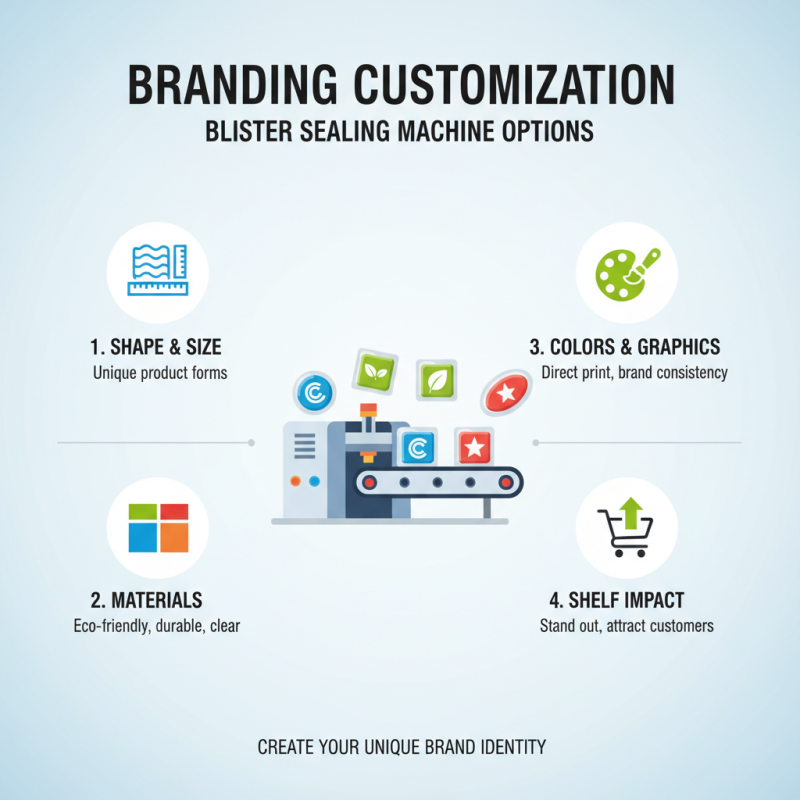
When it comes to branding, customization is key. Blister sealing machines offer diverse options for packaging design. You can alter the shape, size, and materials to suit your product. Specific colors and graphics can be printed directly onto the packaging. This creates a unique brand image that stands out on shelves.
Moreover, flexible designs allow businesses to test different branding strategies. You can incorporate seasonal designs or promotional messages easily. This adaptability can support marketing campaigns effectively. However, it’s important to balance creativity with practicality. Packing costs must be evaluated against potential returns.
Taking the time to refine your packaging can lead to better consumer interactions. Engaging packaging can enhance user experience and influence buying decisions. While striving for uniqueness, don’t lose sight of your core values. Reflect on what your brand represents to ensure that your customized approach aligns with your identity.
Ease of Use and Versatility Across Various Industries
Blister sealing machines offer remarkable ease of use and adaptability across multiple industries. These machines are designed for efficiency, enabling quick setup and operation. This versatility allows them to package products ranging from pharmaceuticals to electronics. According to a report by Smithers Pira, the global blister packaging market is expected to reach $12 billion by 2026, highlighting the growing demand for such technology.
In the pharmaceutical sector, blister packaging provides enhanced product integrity and protection. It minimizes exposure to moisture and contaminants, which is vital. However, companies must consider the complexity of their specific needs. This includes the right materials and machine configurations. Customized solutions are often necessary, which can lead to higher costs if not properly planned.
Tip: Always run trials before full-scale production. This step helps identify potential issues early. Additionally, regular maintenance is crucial for operational efficiency. A well-maintained machine reduces downtime and improves packaging quality, reinforcing the importance of diligence in this area.
Despite the benefits, businesses shouldn't overlook their staff training. Effective use of blister sealing machines relies on knowledgeable operators. Investing in staff education minimizes errors, which can be costly. Regularly evaluate your machine's performance to ensure it meets your operational standards and quality expectations.
Top 10 Benefits of Using Blister Sealing Machines for Packaging