Global apparel supply chains are expanding, but buyers now examine every layer of product presentation. A Clothes Bag protects garments from dust, moisture, friction, and handling damage. It also communicates a supplier’s material choices and production discipline. Small details matter. A weak zipper can damage an otherwise excellent order.
Textile Exchange’s Materials Market Report 2024 reported global fiber production at approximately 124 million tonnes in 2023. The report expects production to approach 160 million tonnes by 2030. This growth increases demand for practical garment storage and shipping solutions. However, volume alone does not identify a reliable manufacturer. Buyers must review fabric density, seam strength, closure performance, printing quality, and batch consistency. These factors become visible when bags travel through warehouses, retail floors, and humid delivery routes.
Sustainability adds another purchasing challenge. The Ellen MacArthur Foundation has warned that the fashion system generates significant textile waste, while recycled-material claims still require careful verification. Certifications, recycled content records, factory audits, and transparent testing can separate experienced manufacturers from attractive but uncertain suppliers. ISO 9001 systems may support consistency, but certification never replaces independent inspection.
This guide evaluates top Clothes Bag manufacturers for global buyers. It considers product range, customization, minimum order quantities, sampling processes, export experience, and quality controls. It also examines whether suppliers can recommend suitable materials for suits, dresses, uniforms, and luxury garments. A ranking is never permanent. Markets change, factories improve, and buyer requirements become stricter. The strongest manufacturers combine dependable production with honest communication, measurable specifications, and realistic delivery commitments. That is where trust begins.
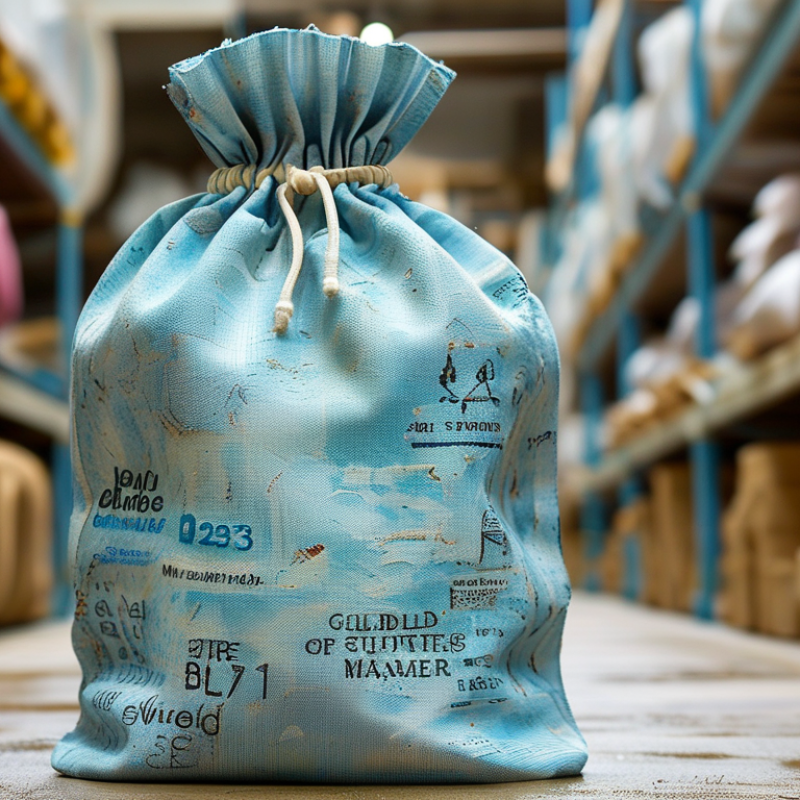
Clothes bags serve different purposes across retail, travel, storage, and garment production. Poly garment bags protect shirts, dresses, and uniforms from dust during transport. They are lightweight, affordable, and often transparent for quick product checks. However, thin plastic can tear around sharp hangers or crowded cartons. That weakness should not be ignored.
Non-woven bags offer a softer, reusable option for boutiques, exhibitions, and seasonal storage. Their breathable structure helps reduce trapped moisture around folded clothing. Cotton and canvas bags suit premium packaging, wedding garments, and long-term wardrobe organization. They feel durable, but they may absorb humidity and stains. A practical supplier should explain this trade-off clearly.
Vacuum storage bags compress bulky coats, blankets, and winter clothing for homes or warehouses. They save space, although repeated compression may crease delicate fabrics. Suit bags with handles protect formalwear during business travel and event delivery. Drawstring laundry bags are useful in hotels, dormitories, and shared facilities. Global buyers should compare material thickness, stitching, closure quality, dimensions, and printing requirements. Testing a sample under real loading conditions is wiser than trusting a catalogue photograph. In my experience, appearance often wins the first order, while weak seams decide the second.。
When evaluating clothes bag manufacturers, start with material evidence, not attractive samples. Textile Exchange’s Materials Market Report 2024 recorded 124 million tonnes of global fiber production in 2023. That scale increases pressure on material traceability and waste control. Ask for fiber composition, recycled content records, and test results for tear strength, colorfastness, odor, and moisture resistance. ISO 9001 procedures can indicate process discipline, but certification alone proves little.
Review production capacity against your seasonal demand. Request recent quality records, defect rates, corrective-action reports, and sample approval procedures. A capable supplier should explain stitching tolerance, printing limits, packaging methods, and realistic lead times. Check whether an independent laboratory verifies performance. The Global Organic Textile Standard and ISO 14001 may support responsible material and environmental claims, when their certificates match the actual factory and product.
Tips: Compare three samples from different batches. Measure seams, zippers, handles, and dimensions yourself. Ask for an inspection plan based on ISO 2859-1. Confirm factory location, subcontracting rules, payment terms, and replacement policies in writing. The World Bank’s Logistics Performance Index 2023 shows that shipping reliability varies widely between markets, so delivery promises need buffer time. A low quote may hide weaker fabric or inconsistent labor control. One limitation remains: audits capture a moment, not every production day. Recheck performance before large orders.
International buyers need more than attractive samples. Reliable clothes bag manufacturers should show consistent production records, clear material specifications, and practical export experience. During supplier reviews, buyers can request factory photos, sample reports, and recent quality records. A strong manufacturer explains fabric weight, stitching density, zipper performance, and printing durability without vague promises.
Manufacturers serving overseas markets should also understand packaging, labeling, and shipment documentation. Ask whether production teams can follow approved samples exactly. Small differences in handle length or pocket placement can create problems during large orders. A useful factory visit may reveal organized cutting tables, clean storage areas, and visible inspection procedures. It is not perfect evidence, but it provides valuable context.
Material choices deserve careful attention. Recycled fabric may support sustainability goals, yet its strength and color consistency still require testing. Cotton feels natural, but moisture control can become difficult during long transportation. Water-resistant coatings may improve protection, although buyers should confirm their performance through practical tests. Some suppliers offer low prices by reducing fabric weight. That decision can hurt product life.
Communication is another serious factor. Manufacturers should provide realistic lead times, sample approval steps, and production updates. Buyers may also check third-party test documents and supplier references. Even experienced teams can overlook a detail. A written checklist helps. It should cover dimensions, tolerances, packing quantity, carton strength, and delivery terms before manufacturing begins.
Global buyers should judge clothes bag manufacturers through documented standards, not attractive samples alone. Samples deceive. Request material specifications, factory audit records, and batch-level inspection reports before placing a large order. Experienced manufacturers define bag dimensions, handle strength, stitching density, color tolerance, and packaging conditions in writing. These details prevent disputes when cartons arrive with uneven seams or compressed panels. Ask how workers control moisture during storage. Fabric that feels dry can still develop odor after ocean transit.
Material choice must match the garment and shipping route. Recycled polyester offers light weight and abrasion resistance, while cotton provides a softer hand feel. Nonwoven fabric can reduce cost, but weak seams may fail under repeated use. Check fabric weight, tear strength, print adhesion, and colorfastness against rubbing. For coated materials, request odor and migration testing suitable for the intended market. Independent laboratories should verify claims that affect purchasing decisions. A certificate without a traceable sample is only paperwork.
Quality control works best at several stages, not only before shipment. Inspect incoming rolls, first samples, in-line sewing, finished dimensions, and carton counts. Use random sampling with agreed acceptance limits. Photograph defects beside a ruler. Details matter. A pilot order can expose weaknesses before volume production begins. That weakness deserves attention. Even reliable production teams may miss a zipper scratch, loose thread, or ten missing bags in one carton.
Top Clothes Bag Manufacturers for Global Buyers
Global sourcing starts with clear product requirements. Define fabric type, dimensions, handle strength, closure style, and printing limits before contacting manufacturers. Ask for material samples and a pre-production sample. A factory that explains testing methods and production capacity is easier to evaluate. Request recent quality records, production photos, and references from similar orders. Experience matters, but documents matter too. A low quote can look attractive. It may hide weak stitching, thin fabric, or expensive rework.
Customization should support the bag’s actual use. Garment bags for retail displays may need smooth surfaces and sharp printing. Travel garment bags need stronger seams, breathable materials, and secure zippers. Confirm artwork formats, color tolerances, packaging units, and minimum order quantities in writing. A simple specification sheet prevents costly misunderstandings. Still, no sourcing plan is perfect. Small differences between an approved sample and mass production can appear, so arrange inspections before shipment.
Tips: Compare landed cost, not only the factory price. Include sampling fees, packaging, inland transport, customs charges, and delivery insurance. Choose shipping by urgency and volume. Sea freight often suits larger orders, while air freight offers speed at a higher cost. Confirm carton measurements and gross weight before booking space. Use clear commercial invoices and packing lists. Keep a buffer for port delays. It helps. A reliable manufacturer should communicate schedule changes early, even when the news is inconvenient. Keep written approval for every revision.
| Manufacturer Profile | Common Production Regions | Typical Bag Materials | Suitable Product Types | Customization Options | Typical MOQ Range | Indicative Production Lead Time | Quality-Control Priorities | Shipping and Documentation Considerations | Best Fit for Global Buyers |
|---|---|---|---|---|---|---|---|---|---|
| Large export-oriented textile factory | East and South Asia; established industrial export clusters | Cotton, recycled polyester, virgin polyester, nylon, non-woven polypropylene, canvas | Garment covers, suit bags, drawstring bags, retail packaging bags, storage bags | Custom size Screen printing Heat transfer Woven labels Zippers Handles | Usually 1,000–10,000 pieces per design, depending on material and construction | Approximately 25–60 days after sample approval and deposit |
| Confirm carton dimensions, gross weight, packing method, HS classification, commercial invoice, packing list, and agreed Incoterm before shipment. | Large retailers, uniform suppliers, promotional distributors, and buyers requiring repeat production |
| Mid-sized custom sewing manufacturer | South Asia, Southeast Asia, Eastern Europe, and regional textile hubs | Cotton canvas, linen blends, recycled fabrics, twill, denim, polyester, organic cotton | Premium garment bags, reusable wardrobe bags, boutique packaging, branded apparel covers | Small-batch development Embroidery Appliqué Contrast panels Custom lining | Commonly 300–3,000 pieces per style; sample orders may be accepted | Approximately 20–45 days for standard constructions; longer for complex details |
| Buyers should confirm whether prices include export packing, inland transport, customs clearance, and delivery to port or final destination. | Emerging brands, fashion labels, hospitality suppliers, and buyers testing new designs |
| Non-woven packaging specialist | High-volume packaging production centers in Asia and other industrial regions | Spunbond polypropylene, laminated non-woven polypropylene, recycled non-woven fabric | Low-cost garment covers, promotional bags, event bags, dust covers, temporary protective packaging | Flexographic printing Handle cut-outs Gussets Heat sealing Custom thickness | Often 5,000–50,000 pieces, with lower unit costs at higher quantities | Approximately 15–35 days after artwork confirmation |
| Lightweight bags can reduce freight cost, but high carton volume may affect container utilization. Confirm whether the material is recyclable and whether local recycling facilities accept it. | Mass-market apparel programs, exhibitions, promotional campaigns, and protective packaging projects |
| Sustainable textile bag manufacturer | Certified textile supply chains in Asia, Europe, and other established manufacturing markets | Organic cotton, recycled cotton, recycled polyester, hemp blends, jute, certified cellulose-based fabrics | Reusable garment bags, eco-conscious retail packaging, premium wardrobe storage bags | Natural dyes Water-based ink Recycled trims Minimal packaging Traceability support | Usually 500–5,000 pieces, depending on certified material availability | Approximately 30–70 days, especially when certified fabrics require advance booking |
| Request valid certification documents, transaction certificates where applicable, fiber-content details, and accurate environmental claims for marketing and customs records. | Buyers with sustainability targets, responsible sourcing policies, or premium positioning |
| Technical garment-cover manufacturer | Industrial textile and protective-product manufacturing regions | Ripstop polyester, coated polyester, nylon, breathable non-woven fabric, laminated technical textiles | Protective suit covers, travel garment bags, workwear covers, moisture-resistant storage bags | Water-resistant coating Ventilation panels Reinforced seams Clear ID windows Shoulder openings | Commonly 500–5,000 pieces per specification | Approximately 30–60 days, depending on testing and construction complexity |
| Define the required performance standard before ordering. Coated materials may require additional product declarations or chemical-compliance documentation in the destination market. | Uniform programs, travel-product distributors, dry-cleaning services, and professional garment storage |
| Nearshore or regional contract manufacturer | Manufacturing regions located close to the buyer's principal market | Locally sourced cotton, polyester, recycled fabrics, canvas, non-woven materials | Fast replenishment programs, seasonal collections, regional retail packaging, short-run orders | Rapid prototyping Frequent revisions Private packaging Mixed assortments | Often 100–2,000 pieces, subject to factory capacity and material availability | Approximately 10–35 days for standard items and readily available materials |
| Regional production may shorten transit time and simplify communication, but unit prices can be higher. Verify local origin rules, taxes, and documentation requirements. | Buyers prioritizing speed, lower inventory risk, flexible quantities, and easier factory visits |
| Buyer note: MOQ, pricing, lead time, certifications, and shipping terms vary by material, bag size, artwork, construction, order volume, season, and destination. Treat the ranges above as typical sourcing benchmarks and confirm final specifications with each shortlisted manufacturer. | |||||||||
Call 815-281-5297 now to speak directly with an Algus expert or fill out the form below.