Top 10 Best Permeable Bulk Bags for Global Buyers

Global buyers are reassessing how bulk commodities move through warmer ports, longer routes, and increasingly demanding supply chains. Permeable Bulk Bags can support airflow and moisture exchange for selected agricultural and industrial materials. Their value depends on construction, filling conditions, transport duration, and storage climate.

The FAO’s The State of Food and Agriculture 2019 reported that 14% of food is lost between harvest and wholesale. Packaging cannot solve every loss, but suitable ventilation may reduce condensation in certain applications. For safety, buyers should compare each bag with ISO 21898 requirements for flexible intermediate bulk containers. Key checks include safe working load, safety factor, seam strength, lifting design, UV resistance, and documented testing.

Sustainability also deserves a practical review. The OECD’s Global Plastics Outlook reported that only 9% of global plastic waste was recycled in 2019. Reusable polypropylene bags may reduce packaging demand when cleaning, inspection, and return systems work properly. Disposal claims require evidence, not attractive wording.

This guide examines the Top 10 Best Permeable Bulk Bags for Global Buyers through those measurable criteria. It considers mesh design, fabric weight, liner options, closure systems, supplier quality, and shipment performance. No ranking is perfect. Local handling practices can change the result. A bag that performs well in a dry warehouse may struggle beside a humid seaport. Buyers should request samples, technical data sheets, and independent test records before placing large orders. The most reliable choice is rarely the cheapest one. It is the bag matched carefully to the product, route, climate, and reusable handling plan.
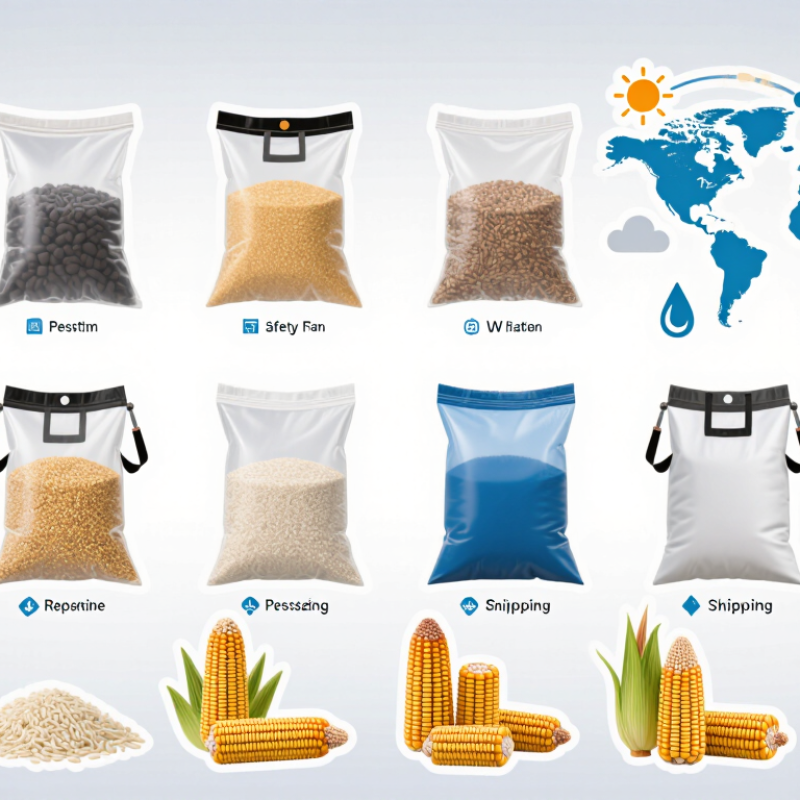
Top 10 Best Permeable Bulk Bags for Global Buyers

Define Permeable Bulk Bags: FIBC Capacities of 500–2,000 kg SWL

Top 10 Best Permeable Bulk Bags for Global Buyers

Permeable bulk bags are flexible intermediate bulk containers made with breathable woven fabric. Their open structure allows air circulation and limited moisture movement. This feature suits dry, stable products that need ventilation during storage or transport. It does not make the bag waterproof.

These FIBCs commonly support 500–2,000 kg SWL, meaning Safe Working Load. SWL is the approved working capacity, not a suggested target to exceed. A 1,000 kg bag should carry 1,000 kg only when filling, lifting, and handling conditions match its design. Fabric strength, lifting loops, seams, discharge spouts, and the filling density all affect performance. ISO 21898 testing and documented quality checks can support responsible purchasing. However, paperwork alone is not enough. In practice, a bag can look strong while hidden seam damage reduces safety.

Tips: Confirm the exact SWL, safety factor, dimensions, and product density. Ask for test reports, production inspection records, and clear lifting instructions. Check whether an uncoated, coated, or lined fabric is appropriate. Store bags away from sharp edges, standing water, sunlight, and excessive heat. Never reuse a bag without a documented inspection. Small mistakes matter. They can become expensive quickly.

Top 10 Best Permeable Bulk Bags for Global Buyers - Define Permeable Bulk Bags: FIBC Capacities of 500–2,000 kg SWL

Permeable bulk bags are flexible intermediate bulk containers (FIBCs) made with breathable or ventilated woven polypropylene fabric. Their open fabric structure allows air exchange and helps release heat and moisture, while the specified safe working load (SWL) indicates the maximum permitted filling weight under the stated handling conditions.

Rank Permeable FIBC Configuration SWL Typical Dimensions
(L × W × H)
Fabric and Ventilation Top and Bottom Construction Suitable Materials Recommended Application
1 Standard 4-Panel Ventilated FIBC 1,000 kg 90 × 90 × 110 cm Breathable woven polypropylene; ventilated panels for regular air exchange. Open top with flat bottom; four corner lifting loops. Dry agricultural produce, pellets, grains and wood products. General-purpose storage and palletized export shipments.
2 High-Airflow Mesh FIBC 500 kg 75 × 75 × 90 cm Coarse woven polypropylene mesh with high air permeability. Open top and discharge spout; four lifting loops. Firewood, kindling, bark, roots and low-density biomass. Short- to medium-term ventilation of relatively coarse goods.
3 U-Panel Breathable FIBC 1,250 kg 95 × 95 × 120 cm Breathable woven polypropylene with reinforced U-panel body construction. Duffle top with flat bottom; four reinforced lifting loops. Seeds, feed ingredients, grains and dry mineral products. Balanced load support and airflow for standard warehouse handling.
4 Ventilated FIBC with Inner Baffles 1,000 kg 90 × 90 × 120 cm Breathable fabric with internal baffles; air permeability depends on weave and liner selection. Duffle top and discharge spout; four lifting loops. Granules, seeds, food-grade dry goods and powders requiring shape retention. Space-efficient stacking where a square profile is important.
5 Food-Contact Ventilated FIBC 750 kg 85 × 85 × 105 cm Clean, uncoated woven polypropylene; food-contact suitability must be confirmed for the destination market. Full-open duffle top and discharge spout; stitched lifting loops. Rice, beans, cereals, malt and other dry food ingredients. Breathable food packaging when cleanliness and traceability are required.
6 Heavy-Duty Ventilated FIBC 1,500 kg 100 × 100 × 120 cm Higher-strength woven polypropylene with controlled ventilation through selected panels. Duffle top and flat bottom; four corner loops with reinforced seams. Dense agricultural products, mineral granules and industrial pellets. High-load transport where airflow and mechanical strength are both needed.
7 Ventilated FIBC with Dust-Control Liner 1,000 kg 90 × 90 × 115 cm Breathable outer fabric with a separately specified liner; the liner reduces product leakage and may reduce airflow. Duffle top and discharge spout; four lifting loops. Fine granules, dusty agricultural products and selected powders. Applications requiring a compromise between breathability and dust control.
8 Large-Volume Ventilated FIBC 2,000 kg 105 × 105 × 160 cm Heavy woven polypropylene with ventilation panels; actual capacity depends on product bulk density. Duffle top and flat bottom; reinforced four-loop lifting system. Low- to medium-density biomass, agricultural by-products and large-volume dry goods. Maximum listed SWL for suitable lifting equipment and verified bag design.
9 Compact Ventilated FIBC 500 kg 70 × 70 × 85 cm Lightweight breathable polypropylene fabric with open or mesh ventilation sections. Open top and flat bottom; two or four lifting loops depending on handling equipment. Small-volume agricultural goods, firewood and dry horticultural materials. Limited storage areas, smaller export lots and manual filling operations.
10 Moisture-Management Ventilated FIBC 1,250 kg 95 × 95 × 125 cm Breathable woven polypropylene designed to promote air circulation; it is not a waterproof container. Duffle top and discharge spout; four reinforced lifting loops. Dry produce, seed, biomass and products vulnerable to heat buildup. Ventilated warehouses and covered transport where condensation control is important.
Specification note: SWL, dimensions, lifting-loop design, fabric permeability and liner performance must be verified against the supplier’s technical drawing and test certificate. Common FIBC safety factors include 5:1 and 6:1, but the applicable rating depends on the bag design, reuse requirements and local handling regulations. Permeable fabric does not provide protection against rain or liquid penetration.

Compare Ventilated, Mesh, and Air-Permeable FIBC Designs for Global Cargo

Top 10 Best Permeable Bulk Bags for Global Buyers

Choosing a permeable bulk bag starts with the cargo, not the catalog image. Ventilated FIBCs use controlled openings or woven structures to improve airflow around agricultural goods, firewood, and other breathable materials. Their panels can reduce heat buildup during storage, but ventilation does not guarantee dryness. A wet loading area can still create mold, staining, or cargo loss.

Mesh FIBCs provide the strongest airflow and clear visibility. They suit potatoes, onions, logs, and recyclable materials that need regular inspection. However, wide mesh openings may release small particles and offer limited protection from rain.

Air-permeable FIBCs use specialized woven fabric that balances airflow with containment. They are often better for granular products requiring cleaner handling, though their performance depends on fabric density, seam quality, and filling pressure.

For global cargo, check safe working load, safety factor, lifting loops, stitching, and pallet stability. Ask for airflow data and independent load-test records. A liner may protect sensitive cargo, but it can also reduce ventilation. In practical warehouse trials, bags placed too tightly together showed less airflow than expected. That mistake is easy to overlook. I would also inspect the bottom discharge, label area, and moisture exposure before selecting among the top ten designs. A bag that performs well in a dry warehouse may behave differently inside a humid container.

Evaluate Top 10 Bags by 5:1 or 6:1 Safety Factor and Load Performance

For global buyers, a permeable bulk bag must balance airflow, strength, and handling stability. A 2024 industry market report from Grand View Research estimates continued growth in the flexible intermediate bulk container market, driven by agriculture, chemicals, and food ingredients. This growth makes transparent load testing more important. In a top-ten comparison, 5:1 bags suit controlled, single-trip applications. A 6:1 rating is more appropriate for repeated handling, where approved reuse is permitted.

The safety factor is simple. A 1,000-kilogram safe working load requires at least 5,000 kilograms of tested breaking strength at 5:1. A 6:1 design requires 6,000 kilograms. However, this is not extra usable capacity. ISO 21898:2004 evaluates FIBCs through lifting, drop, topple, and tear tests. Buyers should also inspect seam strength, fabric permeability, lifting-loop alignment, and certification scope. A bag may pass a dry laboratory test yet perform poorly after moisture exposure or rough forklift contact. That weakness is easy to overlook. Our ranking should not treat 6:1 as automatically better. Permeability can reduce condensation, but excessive airflow may release fine particles. The strongest choice depends on product density, filling temperature, storage time, and handling cycles. Suppliers should provide recent test reports, lot traceability, and the exact SWL. Editorial market data offers useful context, but it cannot replace bag-specific evidence.

Top 10 Best Permeable Bulk Bags for Global Buyers

Evaluation by 5:1 or 6:1 safety factor and rated load performance

The comparison uses common FIBC construction ratings: safe working load (SWL) is shown in kilograms, while the line indicates the specified safety factor. Higher SWL supports greater operating loads, but actual selection must be confirmed through certified testing, filling conditions, lifting method, and applicable standards.

Match Bag Construction to Moisture, Ventilation, and Commodity Requirements

Top 10 Best Permeable Bulk Bags for Global Buyers

Match bag construction to moisture, ventilation, and commodity requirements. A woven polypropylene body suits dry grains, seeds, and many mineral products. Its breathable structure can reduce trapped heat during short storage. However, permeability is not automatically protection.

The FAO’s 2019 State of Food and Agriculture reports that 14% of food is lost between harvest and wholesale. Poor storage conditions contribute to this risk. For moisture-sensitive powders, specify a coated outer fabric or an internal liner. For warm, freshly harvested commodities, ventilated panels may be safer than a fully sealed design. Small vents can help. They can also admit humid air.

Commodity behavior matters. Fine flour needs sift-resistant seams and tighter fabric. Dried beans need strength, airflow, and stable lifting loops. Rough mineral materials may require abrasion-resistant fabric and reinforced corners. ISO 21898 provides performance guidance for flexible intermediate bulk containers handling non-dangerous goods, including construction and testing considerations. Use it as a baseline, not a substitute for field trials.

A perfect bag is unrealistic. I would test filled bags through a humid night, a rough loading cycle, and several days of stacking. Measure product temperature, moisture migration, seam stress, and discharge performance. Many specifications look strong on paper but fail at the warehouse floor. Avoid choosing the cheapest breathable option without checking liner fit, closure quality, and pallet compatibility.

Verify UN Certification, ISO 21898 Compliance, and International Shipping Needs

Top 10 Best Permeable Bulk Bags for Global Buyers

Permeability is not a substitute for compliance. Before choosing a bulk bag, verify its intended cargo, airflow rate, fabric strength, and moisture exposure. ISO 21898:2004 covers flexible intermediate bulk containers for non-dangerous goods. It does not automatically provide UN certification. A UN-approved design requires documented testing, including drop, stacking, tear, and top-lift performance under the applicable regulations.

Check the certificate, test report, production batch, and marking details together. A missing test date can create doubt. So can a certificate issued for a different bag design.

Permeable fabric may reduce condensation, but it can also expose powder to humidity during long sea routes. Select liners, closures, and seam construction according to the cargo’s sensitivity. One overlooked stitch can weaken the whole lifting system.

Shipping Conditions and International Logistics

Shipping conditions also deserve careful review. UNCTAD’s Review of Maritime Transport 2023 states that maritime transport carries over 80% of global merchandise trade by volume. The World Bank’s Logistics Performance Index 2023 compares customs, infrastructure, and timeliness across 139 economies. Therefore, confirm container loading plans, pallet dimensions, port handling, customs documents, and destination regulations before purchase. International freight is rarely predictable. A bag that passes a factory inspection may still fail through poor storage, incorrect stacking, or excessive humidity.অ

Click to access the login or register cheese
Scroll to Top

Request a Quote

Call 815-281-5297 now to speak directly with an Algus expert or fill out the form below.