Top 10 Print Inspection Techniques You Should Know?
Print Inspection is a crucial aspect of the printing industry. It ensures quality and accuracy in printed materials. Various techniques can help detect errors and enhance the production process. This article explores the top 10 print inspection techniques you should know.
Understanding print inspection methods can reveal the strengths and weaknesses of your production line. Each technique has its own benefits and limitations. For example, some methods excel in speed but may miss subtle flaws. Others are more comprehensive yet time-consuming.
Ultimately, print inspection is not just about catching mistakes. It is a journey toward improving quality. Regular analysis and adaptation of your print inspection strategies can yield better results. Let’s delve into these techniques and see how they can transform your printing operations.
Understanding Print Inspection: An Overview of Techniques
Print inspection is crucial for ensuring quality in the printing industry. Various techniques are available, each with unique benefits. Understanding these methods helps improve overall production. Visual inspection is the most basic approach. Operators can spot obvious defects by carefully examining printed materials. However, human error can occur. This method relies heavily on attention to detail.
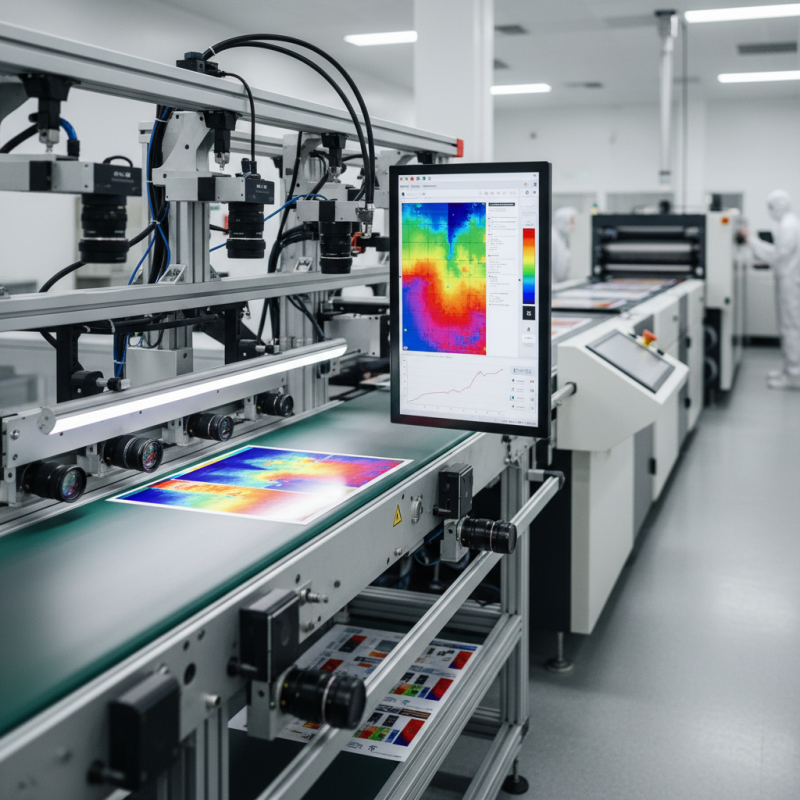
Automated systems are increasingly popular. They use cameras and software to detect issues. These systems can identify misalignments, color inconsistencies, and other faults faster than human inspectors. Yet, it is important to calibrate these systems regularly. Sometimes, they might miss subtle errors that a trained eye could catch.
Tips for effective print inspection: Always provide proper training for operators. Their expertise is vital, even with automated systems. Regularly review the inspection results to find patterns. This can help identify consistent issues. Lastly, consider combining techniques for a more thorough inspection process. By using both human and automated methods, you can enhance quality assurance significantly.
Importance of Print Inspection in Quality Control Processes
Print inspection plays a crucial role in maintaining quality in various industries. A recent study revealed that about 30% of printed products exhibit defects. These flaws can lead to significant financial losses and damage to brand reputation. Companies increasingly recognize the need for effective inspection techniques as consumer expectations rise.
The integration of advanced technologies like AI and machine learning has transformed print inspection. Automated systems can now identify errors faster and with higher accuracy than human inspectors. For example, these systems can detect color variations and misalignment, ensuring that the final product meets specified standards. Despite technological advancements, some businesses still rely on traditional methods. This reliance may result in oversights that automated systems could easily catch.
It’s essential to consider the human factor in quality control. Even with leading technologies, there can be gaps in inspection processes. Human inspectors can overlook issues due to fatigue or experience levels. Regular training and updates are necessary to bridge these gaps and maximize inspection effectiveness. Continuous improvement is key. The industry must evolve while acknowledging the shortcomings in current practices.
Technique 1: Visual Inspection Methods and Best Practices
Visual inspection methods are fundamental in print quality control. These techniques rely on the human eye to identify defects and inconsistencies. Inspectors look for color variations, alignment issues, and print clarity. Inadequate lighting can lead to missed flaws, so proper illumination is crucial. Different angles of view can reveal hidden problems. Noticing smudges or unintended marks often requires patience and keen observation.
Best practices for visual inspection involve creating a standardized checklist. Inspectors should document recurring issues for future reference. Consider using magnifying tools to enhance detail visibility. Frequent breaks can help reduce eye fatigue, allowing for sharper focus during inspections. However, human error is unavoidable. Sometimes, inspectors may become desensitized to certain flaws after hours of reviewing prints. Encouraging regular training sessions can address this issue and improve overall accuracy. Engaging multiple inspectors might also provide diverse perspectives on potential flaws.
Technique 2: Automated Optical Inspection Systems Explained
Automated Optical Inspection (AOI) systems are reshaping the print inspection landscape. These systems leverage advanced imaging technology to detect defects. Studies indicate that AOI can boost detection rates by up to 90% in some printing applications. This level of precision makes AOI vital for quality assurance in various industries.
In the latest industry report, it was found that implementing AOI reduces manual inspection time by about 50%. Operators can focus on critical issues rather than routine checks. However, while AOI systems are efficient, they aren't infallible. Misinterpretation of shadows or reflections may lead to false positives. Constant refinements and updates are essential to maintain accuracy.
Tip: Regularly calibrate your AOI systems. This ensures they adjust to subtle changes in print quality. Additionally, invest in training for operators. They must understand how to interpret the data effectively. Effective use of AOI can save costs and improve overall product quality.
Tip: Analyze AOI data to identify recurring issues. This insight helps target training and avoid future mistakes. Regular review of inspection metrics can reveal patterns that need addressing. Enhanced processes can lead to better standards and more reliable output.
Technique 3: Print Quality Measurement Tools and Metrics
Print quality measurement tools are essential in ensuring high standards. These tools help in assessing color accuracy, print consistency, and surface defects. Metrics like color gamut, resolution, and density are often used. They guide operators in making necessary adjustments during production. Achieving perfect prints is challenging, and sometimes, even small errors can lead to significant issues.
Some metrics may not capture all defects. For instance, a tool might show acceptable color levels but overlook fine details. A subtle misalignment could go unnoticed. These gaps in assessment highlight the need for multiple tools. Each tool has its strengths and weaknesses. Relying solely on one type may not provide the complete picture. Operators should remain vigilant and actively analyze results. Regular evaluations can improve print quality and reduce waste.
Investing in advanced technology is beneficial. However, it also risks oversimplifying the measurement process. The latest tools might seem infallible but can still produce errors. Understanding each tool’s limitations is vital. Continuous learning and adapting practices can enhance output quality significantly. Regular training sessions might be necessary for staff. Everyone must stay updated with the latest techniques and tools.
Print Quality Measurement Metrics
This chart illustrates the quality scores for different print measurement metrics typically used in print inspection techniques. The higher the score, the better the quality of the print.
Conclusion
Print Inspection is a critical process in maintaining quality across various printing applications. This overview highlights essential techniques that can significantly enhance the efficiency and accuracy of print quality evaluation. Key methods include Visual Inspection, which relies on human perception for initial assessments, and Automated Optical Inspection Systems that utilize technology for more precise analysis. Additionally, Print Quality Measurement Tools and metrics play a vital role in evaluating output consistency, while Machine Vision technologies offer advanced options for detecting defects and ensuring high standards are met throughout the printing process. Understanding these techniques is essential for optimizing quality control and achieving superior print results.