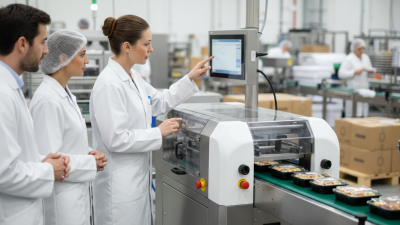
Choosing a tray packaging machine is not a simple matter of comparing prices or production speeds. The right system must fit the product, tray dimensions, sealing material, and pace of the line. A machine sealing fresh meals, for example, may need different changeover settings and film handling from one packing bakery items. Small details matter: uneven tray rims can weaken seals, while awkward controls can slow operators during a busy shift.
Packaging educator Walter Soroka’s work offers a useful principle: packaging decisions should be assessed as part of the complete system, not in isolation. This is a paraphrase of his broader packaging guidance, not a direct quotation. Applied to tray packaging, it means evaluating the machine alongside trays, films, loading methods, cleaning routines, and service support. A fast machine can still disappoint if operators struggle to switch formats or spare parts take weeks to arrive.
This guide looks at China’s leading tray packaging machine manufacturers through practical criteria: machine design, automation options, sealing performance, customization, and after-sales support. It also considers questions buyers should ask before requesting a quotation, such as how quickly a format change can be completed and what tests are available for their actual product. No supplier is ideal for every factory. Some details may remain unclear until a machine is tested with real trays and products, and that uncertainty deserves attention rather than optimistic promises.
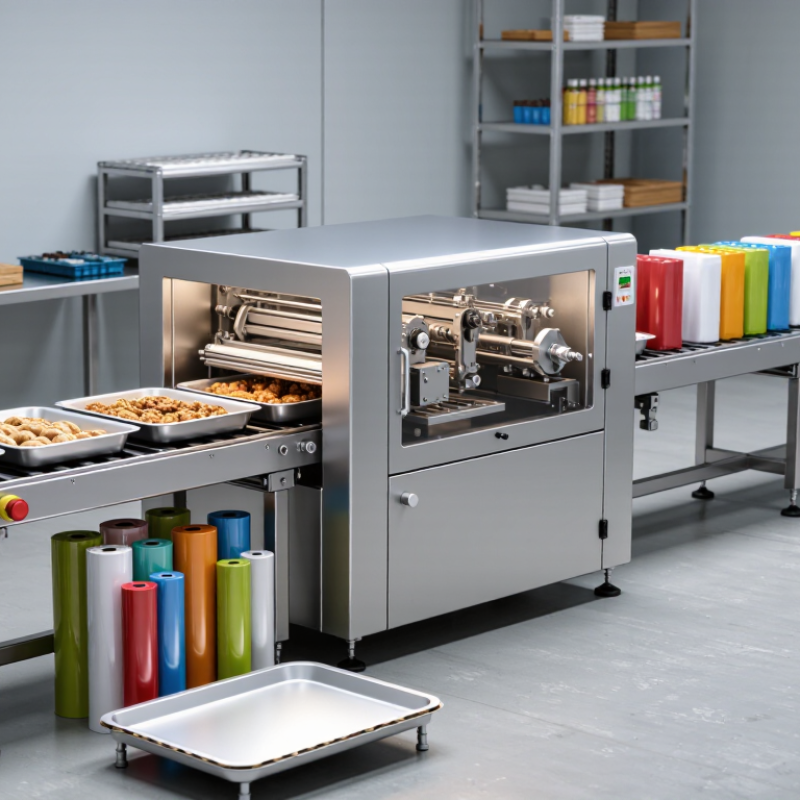
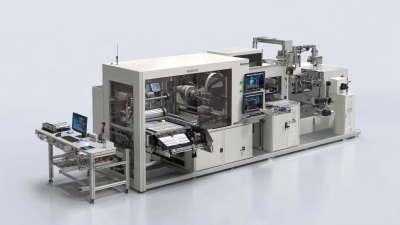
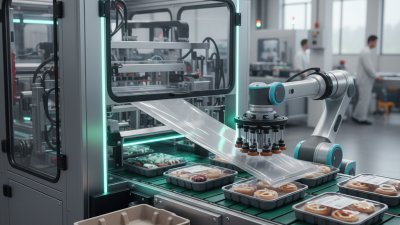
China’s tray packaging machine industry is shaped by food processors seeking reliable sealing, flexible formats, and faster changeovers. Machines commonly combine tray denesting, filling, film placement, heat sealing, and date coding. On a production floor, practical details matter: a seal must stay consistent across tray sizes, while operators need clear access for cleaning and routine adjustments.
MarketsandMarkets estimated the global packaging machinery market at about US$45.5 billion in 2023, forecasting US$56.7 billion by 2028. This broad category includes more than tray systems, so it signals the wider investment environment rather than China’s tray-machine sales alone. That distinction matters. China’s manufacturers serve domestic food plants and overseas buyers, with equipment ranging from semi-automatic units to automated lines. Buyers often compare sealing consistency, output speed, tooling flexibility, and after-sales support—not just the quoted machine price.
Industry figures do not tell the whole story. A high-speed specification may look impressive, yet frequent product changes can reduce real output. Smaller processors may value simple controls and accessible spare parts more. Some published market estimates also rely on different product definitions, making direct comparisons difficult. Plant trials and documented acceptance tests remain useful checks. And sometimes overlooked.
Main Types of Tray Packaging Machines Made in China
Tray packaging machines made in China generally fall into several practical categories. Tray sealers place film over a filled tray and seal it with heat. Some models create a vacuum or modified atmosphere before sealing, which can help protect suitable foods during storage. The exact result depends on the product, film, tray material, and seal settings. Small workshops often choose semi-automatic units; larger lines may use automatic denesting, filling, sealing, and discharge. Watch the changeover time. It matters.
Another category is thermoforming tray packaging equipment. It forms trays from a roll of plastic film, then fills and seals them in a continuous process. This can reduce reliance on pre-made trays, but tooling and material choice affect cost and flexibility. Cartoning or case-packing equipment may also handle sealed trays downstream; it is related, but not the same machine type. A MarketsandMarkets packaging machinery market report estimated the global market at about US$45.8 billion in 2022 and projected US$58.2 billion by 2027. That broader figure is not a tray-machine sales estimate, but it signals continued investment in packaging automation. Buyers should verify rated output using their own tray dimensions and product. Catalog speeds can mislead. One detail is easy to overlook: film waste and seal consistency during real changeovers.
| Machine Type | How It Works | Common Tray Materials | Typical Applications | Packaging Options | Suitable Production Setup |
|---|---|---|---|---|---|
| Tray Sealer | Places a lidding film over a filled tray and heat-seals it to the tray flange. | Commonly compatible with rigid plastic trays; compatibility depends on the tray and sealing-film materials. | Fresh and prepared foods, including meat, seafood, produce, and ready meals. | Seal-only packs; some configurations support modified-atmosphere packaging (MAP) or vacuum-gas flushing. | Manual, semi-automatic, or automatic lines, depending on the machine design. |
| Thermoforming Packaging Machine | Forms trays or cavities from a roll of plastic film, fills them, and seals them with a top web. | Formable plastic films; specific materials and structures depend on the machine and packaging requirements. | Meat, cheese, seafood, medical products, and other goods requiring formed packages. | Sealed packs; some systems can use vacuum and gas flushing. | Continuous production lines where packaging is formed in-line from rollstock. |
| Automatic Tray Denester and Sealer | Separates pre-made trays from a stack, transfers them to filling or sealing stations, and seals the filled trays. | Pre-made rigid trays, commonly plastic; tray dimensions and design must suit the equipment. | Prepared meals, fresh foods, and portioned products. | Typically heat-sealed lidding film; MAP may be available on suitable configurations. | Automatic lines with tray feeding and product filling integrated or arranged upstream. |
| Rotary Tray Sealer | Moves trays through stations arranged around a rotating indexing table for loading, sealing, and discharge. | Pre-made trays compatible with the sealing tooling. | Food products packed in individual or grouped trays. | Heat-sealed film; options vary by model and may include vacuum or gas-flush systems. | Indexed production where operators or automated equipment load trays at designated stations. |
| In-Line Automatic Tray Sealer | Conveys trays through sequential loading, sealing, and discharge stages. | Pre-made trays suited to the conveyor and sealing format. | Food processing and packing operations requiring integration with upstream and downstream equipment. | Heat-sealed lidding film; MAP capability depends on the machine configuration. | Conveyor-based lines designed for automated product handling. |
| Tray Shrink-Wrapping Machine | Wraps a tray and its contents with shrink film, then applies heat to tighten the film around the pack. | Pre-made trays paired with suitable shrink film. | Produce, beverages, multipacks, and other products that use a film-overwrapped tray. | Shrink-film overwrap; it is not the same process as heat-sealing a lidding film to a tray flange. | Semi-automatic or automatic packing lines, often with a heat-shrink tunnel. |
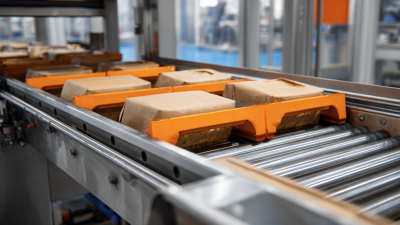
| Tray Erecting Machine | Folds and forms flat blanks into trays before products are loaded. | Corrugated board or paperboard blanks, depending on the machine design. | Produce, bakery goods, beverages, and transport or display packs. | Forms the tray; separate equipment is generally used for filling, lidding, or wrapping. | Packaging lines that use flat-packed blanks to reduce the storage space needed for empty trays. |
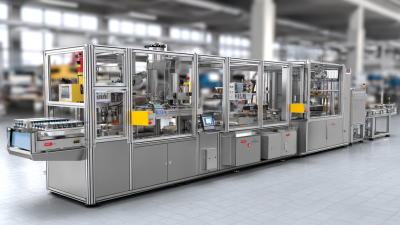
China’s leading tray packaging machine manufacturers serve food processors, prepared-meal producers, and medical suppliers with equipment for filling, sealing, and labeling trays. Their capabilities vary. Some focus on compact machines for smaller workshops, while others build automated lines with conveyors, date coding, and inspection systems.
A reliable supplier should explain how a machine handles your actual trays, film, and product—not just quote its maximum speed. Ask for a sample run using your packaging materials. Watch how trays feed, how seals look at the corners, and how quickly operators can change formats. Request clear details about stainless-steel contact surfaces, cleaning access, spare parts, and local or remote service. These checks reveal more than a polished catalog.
Factory visits or live video demonstrations can help buyers assess assembly quality and testing procedures. Check whether the quoted output reflects a complete production line or one machine running under ideal conditions. Small details matter. A difficult-to-reach sealing plate can slow cleaning, even when the machine looks impressive. I would not choose by price alone; yet, comparing technical offers can be frustrating when specifications use different assumptions. A careful shortlist should match the product, workspace, budget, and support needs.
When comparing tray packaging machine manufacturers in China, look beyond advertised speed. Ask how the machine performs with your actual tray dimensions, film type, and product weight. A line rated for 30 cycles per minute may run slower when trays need careful alignment or products vary in height. Request a sample run using your materials, and review the finished seals for wrinkles, gaps, and leaks.
Compare changeover time, adjustment access, and control functions. Can an operator switch between two tray sizes without special tools? Are temperature, sealing time, and pressure easy to set and verify? Ask for drawings, a parts list, and clear guidance on routine cleaning. These details matter during a busy shift. I would not judge service quality from a brochure alone; response times and spare-parts availability should be confirmed in writing.
Tips: Bring sample trays and film to a factory test. Time a format change, inspect several sealed packs, and ask what maintenance is needed after each production shift. Check which components are locally stocked and how remote support works. Small issues can be easy to overlook. A machine that fits your workflow is usually a safer choice than one selected by speed claims alone.
Choosing a Chinese tray packaging machine manufacturer starts with your product, not a catalog. Share the tray dimensions, packaging material, target speed, and sealing requirements. Ask how the machine handles real samples, including trays with uneven rims or products that release moisture. A short factory test can reveal whether seals stay consistent and trays feed smoothly. Ask for test records and clear acceptance criteria. Numbers matter.
Check the machine’s construction and service plan. Review frame materials, electrical components, safety features, and access for cleaning. Request a layout drawing, utility requirements, spare-parts list, and written warranty terms. Ask who will install the machine, train operators, and respond when production stops. A low quotation may exclude tooling, shipping, or commissioning; clarify every cost before comparing offers. I once overlooked changeover time in a specification, and that small omission would have affected daily output.
Tips: Send identical product samples and specifications to each shortlisted manufacturer. Compare sealing quality, actual cycle time, changeover steps, and support response—not just the quoted speed. Ask for a live video test if travel is difficult, and keep the agreed test conditions in writing. Leave room for questions; a supplier’s answer may expose gaps in your own requirements.
Use these illustrative 1–5 ratings as a buyer’s evaluation framework, not as measured market or manufacturer data. Score each supplier against your product, required output, and factory conditions; verify claims through specifications, sample tests, and reference checks.
Call 815-281-5297 now to speak directly with an Algus expert or fill out the form below.