Why is Tray Sealing Equipment Essential for Food Packaging?

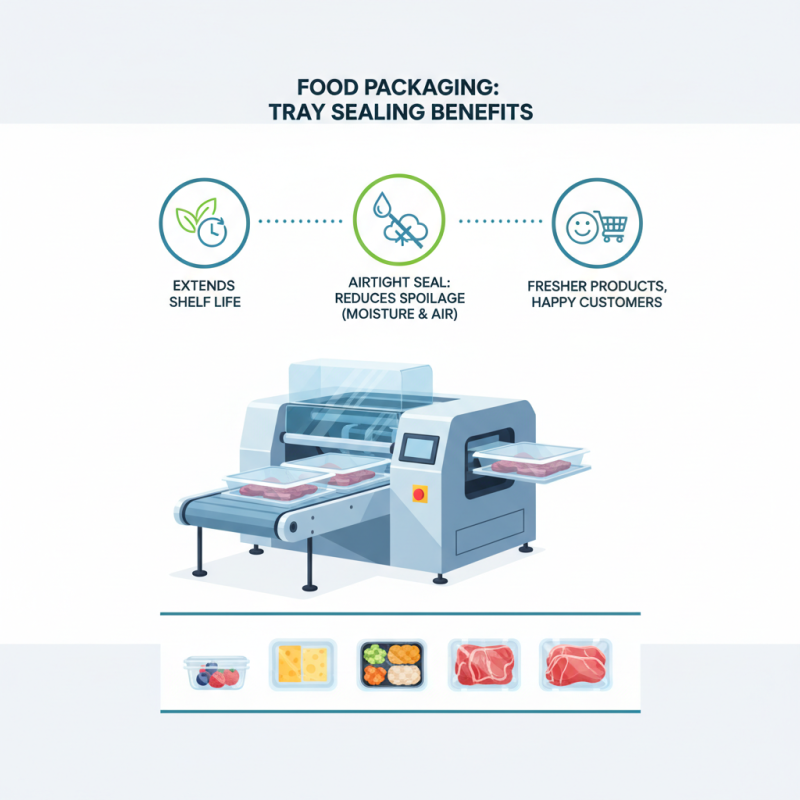
In the modern food industry, the importance of tray sealing equipment cannot be overstated. This equipment ensures that food products remain fresh and safe for consumers. With a rising demand for convenience, tray sealing technology offers an effective packaging solution. It helps in extending shelf life while maintaining the quality of food items.

Many food producers face challenges in packaging. They need to balance efficiency and quality. Tray sealing equipment can significantly reduce spoilage and waste. By creating airtight seals, it protects food from contaminants. This technology is adaptable to various food types, including meats, vegetables, and desserts. However, understanding how to optimize its use is critical.

Yet, the industry does not always leverage this technology effectively. Some businesses still rely on traditional methods. They may not realize the benefits of investing in advanced tray sealing systems. The potential for improvement lies in continuous learning and adaptation. Embracing tray sealing equipment means taking a step toward better food packaging solutions.
Why is Tray Sealing Equipment Essential for Food Packaging?

The Role of Tray Sealing Equipment in Modern Food Packaging Industry

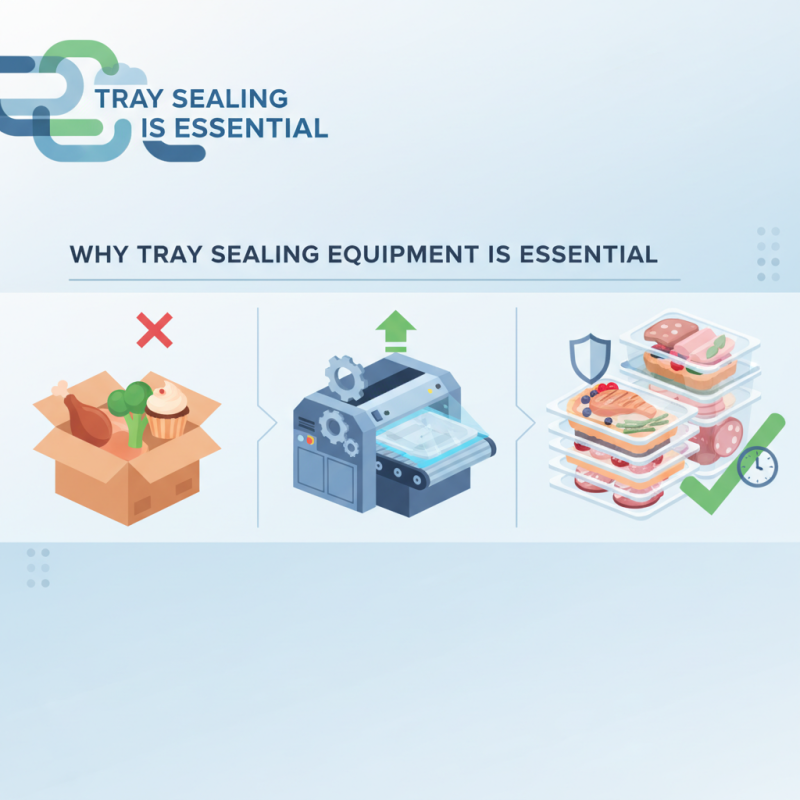
Tray sealing equipment plays a significant role in the modern food packaging industry. This technology helps preserve the freshness and quality of various food products. It creates airtight seals that keep contamination at bay. As a result, food stays safe for longer periods. This is particularly crucial for perishable items like meat and vegetables.

The effectiveness of tray sealing depends on several factors. Different materials must be considered for the trays and films. Properly trained operators are also essential for achieving optimal results. However, many businesses overlook the importance of maintenance. Neglecting equipment care can lead to poor sealing quality and waste. Understanding the limitations of this technology is also vital.

Incorporating tray sealing into production lines improves efficiency. It allows for quicker packaging processes, saving time and labor costs. Yet, some manufacturers may rush, compromising quality. Striking a balance between speed and precision remains a challenge. Continuous assessment and adaptation are key to maximizing the benefits of tray sealing in food packaging.

Why is Tray Sealing Equipment Essential for Food Packaging?

Aspect Description
Cost Efficiency Reduces packaging material waste and minimizes operational costs.
Product Shelf Life Enhances the preservation of food products by providing airtight seals.
Customization Allows branding and product information to be easily printed on trays.
Automation Facilitates high-speed packaging solutions for larger production lines.
Food Safety Ensures compliance with health regulations through secure packaging.
Consumer Convenience Makes products easy to handle and store, appealing to modern consumers.

Key Benefits of Tray Sealing for Food Preservation and Shelf Life

Why is Tray Sealing Equipment Essential for Food Packaging?

Tray sealing equipment plays a crucial role in food packaging. It helps extend the shelf life of various products by creating airtight seals. This reduces exposure to moisture and air, which can lead to spoilage. Foods packaged this way often stay fresh longer. Customers appreciate the quality.

Using tray sealing is straightforward. Choose suitable materials for the tray and seal. Different foods require different conditions. This flexibility improves food preservation. However, it is essential to monitor the sealing process. Inconsistent seals can lead to leaks and spoilage. Inspect seals regularly to ensure effectiveness.

Tip: Always test the seals with real products before mass packaging. Another tip: evaluate the shelf life periodically. Ensure that the food remains safe and appealing over time. By focusing on these aspects, businesses can enhance the quality of their packaged foods.

Case Studies: Success Stories of Tray Sealing in Food Packaging

Tray sealing has transformed food packaging. In one case study, a small family-run business began using tray sealing for their homemade meals. The results were striking. Sales doubled within months. Customers loved the freshness and presentation. The trays enhanced the overall appeal of their products.

Another example involved a bakery that switched to tray sealing for their pastries. They found that the sealed trays kept items fresher for longer. Initially, they faced challenges with the sealing process. It required training and adjustments. However, after refining their methods, they noticed a decrease in waste and an increase in customer satisfaction. The vibrant trays made their pastries stand out on shelves.

While these cases highlight success, there’s room for improvement. Some businesses still struggle to fully automate the process. The transition can be daunting. Additionally, finding the right materials for sealing can be tricky. Some options may not provide the desired shelf life. These challenges are worth addressing as the industry grows.

Impact of Tray Sealing Equipment on Food Packaging Efficiency

Industry Standards and Regulations Influencing Tray Sealing Practices

In the food packaging industry, regulations play a significant role in shaping tray sealing practices. For instance, the FDA's stringent guidelines focus on safety and labeling. These rules ensure that food stays fresh while minimizing contamination risks. A report from Smithers Pira indicates that adherence to these regulations can enhance product shelf life by approximately 30%. This statistic highlights the importance of compliance in extending food viability.

Another critical aspect is sustainability. The European Union’s Packaging and Packaging Waste Directive sets clear targets for recyclable materials. Companies that align with these standards are not only meeting legal requirements but also appealing to eco-conscious consumers. According to research by the World Wildlife Fund, over 70% of consumers prefer brands that demonstrate a commitment to sustainability. This shift in consumer behavior pressures manufacturers to rethink their packaging solutions.

However, there are challenges. Many small to medium enterprises struggle to keep pace with changing regulations and technological advancements. Failing to adapt can lead to operational inefficiencies and financial loss. A recent survey revealed that 40% of these businesses feel overwhelmed by regulatory compliance, impacting their profitability. This situation calls for a more proactive approach to stay relevant in a competitive market.

Future Trends in Tray Sealing Technology and Food Packaging Solutions

Why is Tray Sealing Equipment Essential for Food Packaging?

Tray sealing technology is rapidly evolving. This is crucial for modern food packaging solutions. Innovations focus on efficiency and sustainability. More companies are prioritizing eco-friendly materials. Biodegradable trays are gaining popularity. These materials reduce waste and environmental impact.

Automation is a growing trend. Automated tray sealing machines increase production speeds. They also improve consistency in sealing quality. However, not all businesses can afford these machines. Smaller companies might struggle with investment costs. They need to find affordable options that still meet industry standards.

**Tips:** Consider the size of your operation when choosing equipment. Invest in quality rather than just low costs. Regular maintenance prolongs the life of your machines. Embrace new technologies, but assess their practicality for your needs. Balancing innovation and cost-effectiveness can be challenging.

Click to access the login or register cheese
Scroll to Top

Request a Quote

Call 815-281-5297 now to speak directly with an Algus expert or fill out the form below.