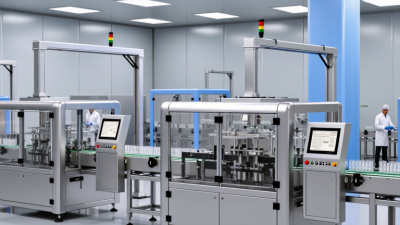
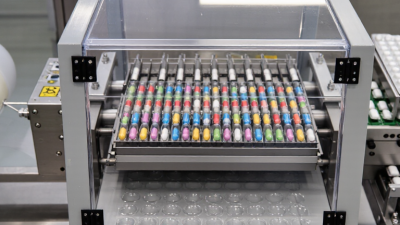
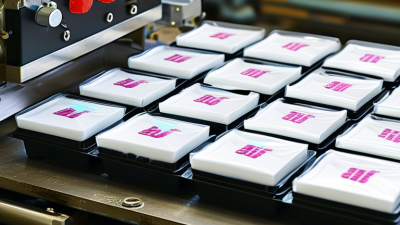
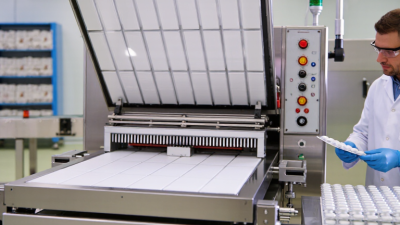
Why choose blister packaging equipment when flexible pouches and bottles remain widely available? The answer begins with product protection, presentation, and process control. Blister packs hold tablets in formed cavities, while lidding foil creates a visible barrier against moisture, light, and handling. This structure also supports unit-dose dispensing, clear product identification, and tamper evidence.
Industry data supports continued investment. Grand View Research estimates the global blister packaging market will expand at about 6.8% annually from 2024 to 2030. Fortune Business Insights reports a different market value and growth path, showing why forecasts require careful interpretation. Definitions, regions, and product categories vary between reports. That uncertainty matters.
For manufacturers, the practical question is not simply whether blister packaging equipment is faster. It is whether the machine fits the product, material, batch size, and quality system. Modern lines can combine forming, filling, sealing, coding, perforation, and vision inspection. A stable sealing station can reduce rejected packs caused by wrinkles or weak seals. Servo controls may also improve changeover accuracy when operators move from one cavity format to another.
PMMI’s packaging machinery research consistently highlights automation, labor efficiency, and flexible production as major investment priorities. Those benefits appear on the factory floor: fewer manual transfers, cleaner product handling, and more consistent cycle timing. Still, automation is not a cure-all. Poor tooling design, unsuitable foil, or weak operator training can erase expected savings. A thoughtful evaluation should compare total ownership cost, maintenance access, validation needs, and future format changes. In some operations, a simpler machine may be the more reliable choice.
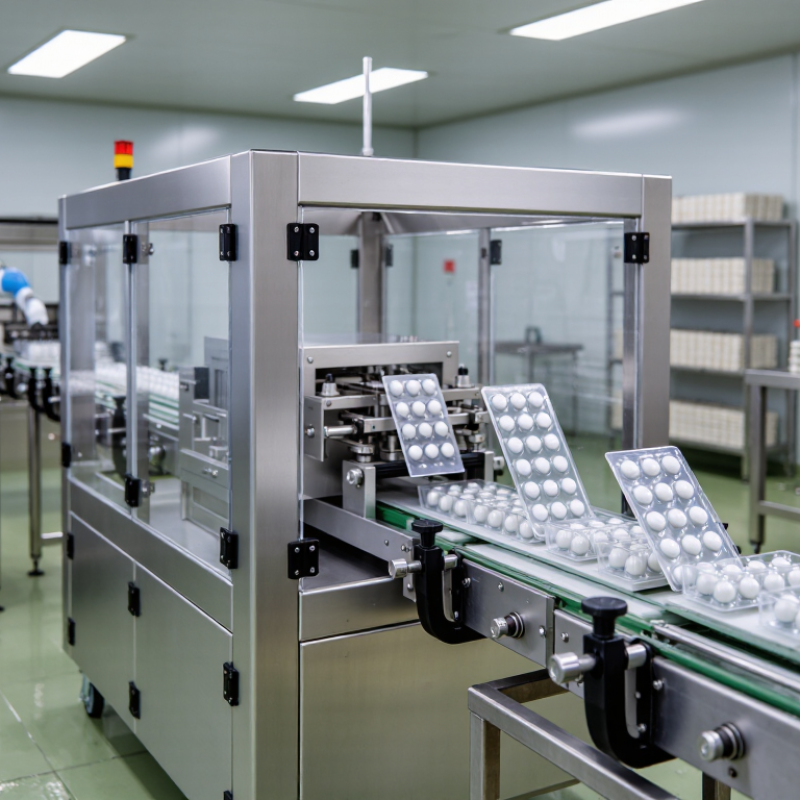
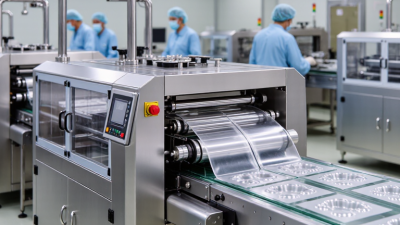
Blister packaging equipment is machinery that places products inside formed cavities and seals them with a backing material. It commonly packages tablets, small medical items, batteries, and compact consumer goods. The machine first heats a plastic web until it becomes flexible. A forming station then shapes pockets around a mould. After cooling, another station places each product into its pocket. Finally, heat, pressure, or adhesive seals the backing layer.
A complete system may include feeding units, forming tools, sealing plates, printing controls, and cutting stations. Each part affects packaging quality. Accurate feeding prevents empty pockets and product damage. Stable temperature helps create consistent cavity depth. Clean sealing surfaces reduce leaks and weak edges. Sensors can detect missing items, but they are not perfect. Operators still need regular checks.
In practical production, equipment selection depends on product size, material type, output targets, and changeover frequency. A small operation may prefer flexible tooling and simple controls. High-volume production usually requires faster feeding and automated inspection. Energy use, maintenance access, and spare-part availability also deserve attention. These details are easy to overlook. They can later increase operating costs. Testing sample materials before purchase is a sensible step, although test results may not match every production condition. Even a well-designed machine needs trained operators, clear procedures, and routine cleaning.
Why Choose Blister Packaging Equipment for Your Business?
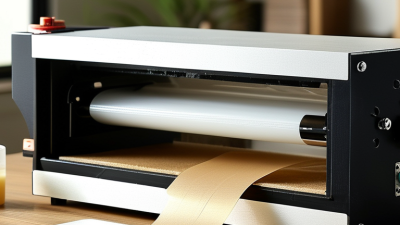
Blister packaging equipment forms a clear cavity around each product. The process usually begins with a plastic film roll. A heating station softens the film to a controlled temperature. Molds then shape precise pockets using vacuum or compressed air. The forming method depends on the material and product design. Small products need accurate feeding to prevent movement. A sealing station bonds the formed film to a backing card or lidding material. Cutting tools separate each finished pack. Sensors can check position, seal quality, and missing items during production. From practical line testing, stable temperature and pressure often matter more than maximum speed. One poorly adjusted setting can create weak seals or distorted cavities.
Tips: Keep forming surfaces clean. Check film tension daily. Test seals before full production. Record temperature changes and rejected packs.
Operators should match the machine with the product’s size, shape, and sensitivity. Fragile items may require gentler feeding and lower forming pressure. Moisture-sensitive products may need stronger barrier materials. Regular maintenance reduces jams and uneven sealing. Still, equipment does not solve every packaging problem automatically. A design can look efficient but waste material if the cavity is oversized. Trial runs reveal these issues early. They also help confirm that the package opens smoothly without damaging the contents.
Why Choose Blister Packaging Equipment for Your Business?
What Types of Blister Packaging Equipment Are Available?
Blister packaging equipment comes in several configurations for different production needs. Manual machines suit small batches, product testing, and frequent format changes. Operators place products and lidding material by hand. Semi-automatic systems add controlled sealing and cutting. They improve consistency without requiring a fully automated line. Automatic machines handle feeding, forming, sealing, coding, and trimming. They are practical for stable, high-volume production.
Thermoforming equipment uses heat to shape plastic film around a product. It works well for tablets, hardware, electronics, and small consumer goods. Cold-forming equipment uses pressure and specialized laminate structures. It offers stronger protection against light and moisture. Rotary systems support continuous production, while flat-plate machines can provide easier changeovers. In real facilities, floor space, operator skill, and cleaning time often influence the choice more than speed alone. No machine is perfect.
Tips: Check the material compatibility before comparing output rates. Measure the product carefully, including height and sharp edges. Ask for sealing tests with your actual film and lidding material. A first capacity estimate can be wrong if loading is inconsistent. Leave room for maintenance access. Also, review safety guarding, temperature control, tooling changes, and inspection points. These details affect daily reliability. A machine that looks efficient during a demonstration may feel slower after repeated format changes.
Blister packaging equipment is available in several configurations to match production volume, labor availability, product format, and automation requirements. The chart below shows typical market output ranges for common equipment types.
How to interpret the chart: Manual and semi-automatic systems are suitable for lower-volume production and greater format flexibility. Automatic platen machines provide higher consistency and output, while rotary automatic systems are generally selected for continuous, high-volume production. Actual performance depends on blister size, cavity layout, sealing method, material, product loading, and changeover time.
Why Choose Blister Packaging Equipment for Your Business?
Blister packaging equipment provides consistent sealing, accurate dosing, and faster product handling. Its clear cavities help operators inspect each unit before shipping. Grand View Research estimated the global blister packaging market at over USD 25 billion in 2023, with continued growth expected through 2030. That demand reflects practical benefits, not fashion. Automated forming and sealing can reduce manual handling, while controlled feeding supports more uniform output. PMMI’s 2023 packaging automation research also identified labor availability and production efficiency as major investment drivers. For growing facilities, repeatable machine cycles can make staffing pressure easier to manage.
The protection is tangible. A sealed cavity helps limit moisture, dust, and physical contact during storage. In healthcare packaging, this matters when product integrity affects user confidence. The equipment also supports clear labeling, batch tracking, and tamper-evident formats when designed correctly. However, speed is not everything. Poor temperature settings may distort cavities or weaken seals. Changeovers can also consume valuable time if tooling is not planned carefully. I have seen packaging projects focus on output rates while ignoring cleaning access and operator training. That is an expensive oversight. Smithers’ packaging industry analyses repeatedly emphasize sustainability pressure, so material reduction and recyclable structures deserve attention during equipment selection. Lightweight film may lower material use, but it can demand tighter process control. Small errors become visible quickly.
| Business Dimension | Typical Blister Packaging Equipment Capability | Business Benefit | Practical Consideration |
|---|---|---|---|
| Production speed | Entry-level and semi-automatic systems commonly process about 10–30 cycles per minute, while higher-speed lines may reach approximately 30–80 cycles per minute, depending on the product and format. | Supports higher output and helps reduce manual handling during repetitive packaging operations. | Actual output depends on cavity count, sealing time, material, product loading, and changeovers. |
| Product protection | Thermoformed cavities can hold products in fixed positions and may be combined with paperboard or foil-backed seals. | Helps protect items from dust, moisture, abrasion, tampering, and damage caused by movement during transport. | Barrier performance is determined by the selected plastic, lidding material, seal quality, and package design. |
| Product visibility | Clear plastic cavities can display the packaged item while keeping it enclosed. | Improves product presentation and allows customers or operators to inspect the item without opening the package. | Transparency may be reduced when opaque films, printed lidding, or light-sensitive packaging is required. |
| Material flexibility | Common forming materials include PVC, PET, PETG, PP, and other application-specific films; lidding may use paperboard, foil, or polymer films. | Enables packaging for products with different shapes, sizes, protection requirements, and presentation goals. | Material selection should consider product compatibility, recyclability, barrier needs, sealing temperature, and local regulations. |
| Package consistency | Forming, sealing, cutting, and indexing can be controlled through synchronized mechanical, pneumatic, or servo-driven systems. | Produces more uniform package dimensions and seals than fully manual packaging processes. | Consistent results require correct tooling, temperature control, pressure settings, alignment, and preventive maintenance. |
| Labor efficiency | Automation can combine several steps, including forming, product placement, sealing, coding, punching, and cutting. | Reduces repetitive labor requirements and allows operators to focus on loading, inspection, replenishment, and quality control. | Labor savings vary according to automation level, product complexity, staffing practices, and production volume. |
| Changeover capability | Interchangeable forming and cutting tools allow equipment to be configured for different package formats. | Supports multiple product sizes and shorter production runs on one packaging platform. | Changeover time depends on tooling design, operator experience, cleaning requirements, and machine accessibility. |
| Quality control | Inline sensors, vision inspection, checkweighing, and seal monitoring can be integrated where required. | Helps identify missing products, incorrect positioning, poor seals, print defects, and dimensional problems earlier. | Inspection systems add cost and should be selected according to product risk and applicable quality standards. |
| Tamper evidence | Heat-sealed blister formats can provide visible evidence when the seal or cavity has been opened or damaged. | Improves package integrity and can help discourage unauthorized access before purchase or use. | The final tamper-evident effect depends on package construction, seal design, and applicable regulatory requirements. |
| Space utilization | Custom cavities can be formed closely around many small and medium-sized products. | Can reduce unnecessary internal movement and support compact retail or transport packs. | Cavity depth, draft angles, spacing, and material thickness must be designed for reliable forming and product removal. |
| Operating cost control | Automated equipment can standardize material feeding, sealing, and cutting while reducing process variation. | May lower packaging cost per unit at sufficient production volumes by improving throughput and reducing handling. | Total cost should include equipment, tooling, materials, energy, maintenance, labor, waste, and downtime. |
| Sustainability planning | Equipment can be configured for lightweight materials, optimized cavity layouts, and selected recyclable structures. | Provides opportunities to reduce material use and improve packaging efficiency when the complete package system is designed appropriately. | Recyclability depends on local collection systems, material compatibility, labels, adhesives, coatings, and package composition. |
Note: Performance figures are typical industry ranges for general guidance. Actual results vary according to equipment configuration, product characteristics, packaging materials, tooling, operating conditions, and required quality standards.
Choosing blister packaging equipment should begin with the product, not the machine’s advertised speed. Review tablet or component dimensions, cavity depth, material sensitivity, and required pack size. Fit matters. A practical assessment also records daily volume, shift patterns, changeover frequency, and available floor space. Equipment that looks powerful may become inefficient when operators adjust it repeatedly.
Ask suppliers for production trials using your actual forming film, lidding material, and product geometry. Test it first. Check seal strength, temperature stability, registration accuracy, reject rates, and cleaning time. A clear sample log gives managers evidence beyond sales claims. In my experience, small tooling errors can create large waste during long runs. That risk is easy to underestimate.
Choose controls that operators can learn quickly, with guarded access and readable settings. Confirm documentation, training, spare-part availability, and technical support before purchasing. The lowest purchase price is not always the lowest operating cost; energy use, tooling changes, maintenance, and downtime deserve a five-year estimate. Also examine whether the equipment can handle future formats without major rebuilding. Be realistic here. Forecasts change, and flexibility can cost more than expected. Still, refusing every upgrade option may leave a business locked into one product range. Get written performance criteria, acceptance tests, and service responsibilities before installation.
Call 815-281-5297 now to speak directly with an Algus expert or fill out the form below.