Why Choose Eco Friendly Cosmetic Containers Wholesale?

Choosing Eco-Friendly Cosmetic Containers Wholesale is no longer only a branding decision. It affects packaging costs, product protection, customer trust, and waste management. A well-designed container can feel refined in the hand while reducing unnecessary material use. However, “eco-friendly” should not be accepted as a vague marketing phrase.

Professional buyers should examine the entire packaging lifecycle. This includes raw materials, manufacturing methods, transportation, refill potential, and end-of-life options. Recycled glass, post-consumer recycled plastic, aluminum, and responsibly sourced paper each offer different advantages. None is perfect. Weight, breakage risk, energy use, and local recycling systems can change the final environmental result. Ask suppliers for material specifications, safety documentation, testing records, and credible certifications. Supplier audits also matter. A polished sample does not prove consistent factory performance.

Wholesale purchasing can provide better pricing and steadier supply, especially for growing skincare and beauty brands. It may also create new risks. Large minimum order quantities can leave slow-moving packaging in storage. That is expensive and wasteful. Smart planning connects container size, closure compatibility, filling requirements, and expected sales volume. Request pre-production samples before approving a full order. Check threads, pumps, labels, seals, and leakage resistance. Small faults become costly at scale.

This guide explores why Eco-Friendly Cosmetic Containers Wholesale deserves careful consideration. It focuses on practical evidence, responsible sourcing, and realistic business decisions. Sustainability should support product quality, not replace it. Some choices will remain imperfect. That is where honest evaluation begins.
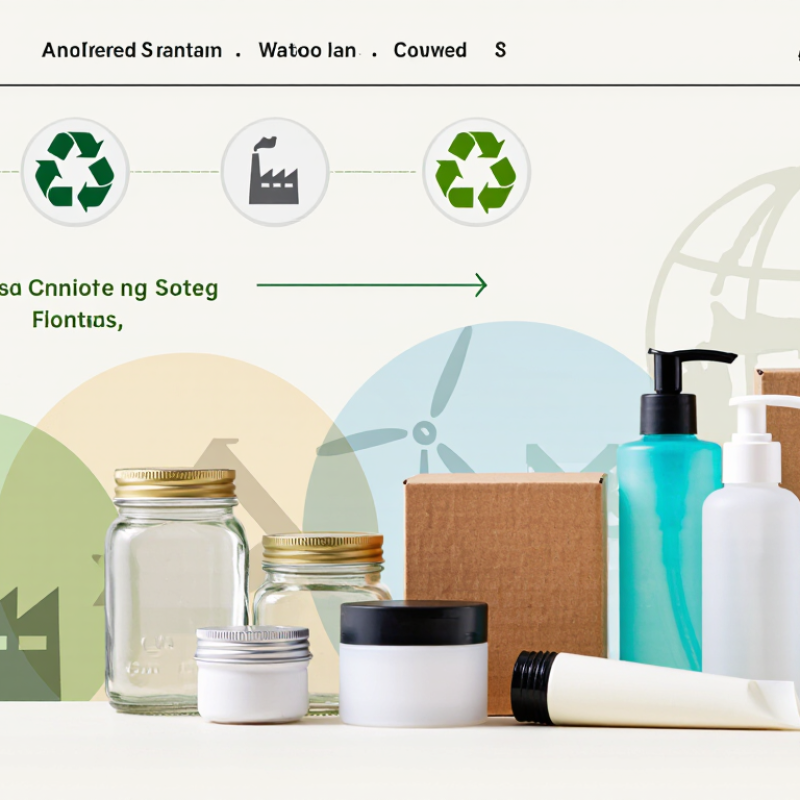
Why Choose Eco Friendly Cosmetic Containers Wholesale?

What Are Eco-Friendly Cosmetic Containers?

Eco-friendly cosmetic containers are designed to reduce environmental impact across their full life cycle. They may use recycled plastic, glass, aluminum, paper-based components, or refillable structures. The Ellen MacArthur Foundation reports that packaging consumes about 40% of global plastic use. This makes container design a practical sustainability decision, not a decorative feature.

In wholesale purchasing, material claims need verification. Ask suppliers for recycled-content records, safety testing, leakage results, and recycling guidance. Post-consumer recycled plastic can reduce virgin resin demand, while lightweight glass may lower transport emissions. However, glass is heavier and can break during shipping. Refillable containers also require extra components and cleaning systems. No package is perfectly green. A container can improve one impact while creating another. This is where professional assessment matters.

The 2023 McKinsey packaging survey found that roughly 60% to 70% of consumers would pay more for sustainable packaging in selected markets. Yet buyers still expect reliable pumps, clean finishes, and stable product protection.

Tips: Choose simple, separable parts. Prefer one widely accepted material when possible. Check whether pumps, caps, and labels can be removed easily. Request samples before placing a wholesale order. Test them with oils, creams, and liquid formulas. A beautiful container that leaks is not sustainable in practice. Suppliers should also explain minimum order quantities, recycled percentages, and end-of-life instructions. Small gaps in documentation deserve careful questions.

Why Sustainability Matters in Cosmetic Packaging

Why Choose Eco Friendly Cosmetic Containers Wholesale?

Why Sustainability Matters in Cosmetic Packaging

Cosmetic packaging is not a minor detail. The Ellen MacArthur Foundation reports that packaging represents about 40% of global plastic use. The OECD’s Global Plastics Outlook estimates that 353 million tonnes of plastic waste were generated in 2019. Only 9% was recycled. These figures make container decisions commercially important, not decorative.

Wholesale purchasing can reduce material use through standardized molds, lighter walls, and consolidated shipping. Yet “eco-friendly” is not automatically sustainable. A refillable jar may require more material, cleaning, and transport than a single-use container. A recyclable pump may still be rejected where local facilities cannot process mixed components. That gap matters.

Practical evaluation should begin with documented evidence. Ask for recycled-content percentages, material specifications, carbon data, and third-party test results. ISO 14021 supports clear, verifiable environmental claims. The European Environment Agency notes that recycling depends on collection and sorting systems. The United Nations Environment Programme says plastic pollution could fall by 80% by 2040 through reuse, recycling, and reduced consumption. The target is encouraging, but not effortless.

In practice, the strongest wholesale choice is often the least complicated one: a mono-material bottle, removable label, compatible closure, and realistic end-of-life route. Keep it practical. Suppliers should test leakage, compatibility, and drop resistance before production. Sustainable packaging still fails if cream dries inside the cap or containers break during transit. Some green options will disappoint. Review the evidence, then improve the next order.

Key Materials Used in Eco-Friendly Containers

Why Choose Eco Friendly Cosmetic Containers Wholesale?

Key Materials Used in Eco-Friendly Containers

Wholesale buyers usually compare material performance, not just green claims. Post-consumer recycled plastic is a practical option for bottles, jars, and tubes. It uses existing plastic and can reduce demand for new resin. However, its color may vary slightly between production batches. That detail matters for a consistent product range.

Glass remains popular for creams, serums, and fragrance products. It feels substantial and resists many cosmetic formulas. Clear glass also lets customers see the product level. Yet, it is heavier and can break during transport. Wholesale teams should test closures, cushioning, and shipping conditions before placing large orders.

Aluminum offers strength with low weight. It works well for tins, balm containers, and refillable packaging. It also blocks light, which may help protect sensitive formulas. Recycled aluminum can support circular production, but coatings must match the formula. Poor compatibility can cause stains, odors, or surface damage.

Bamboo and molded fiber add a natural appearance. They are useful for caps, sleeves, and secondary packaging. Their moisture resistance is not always reliable. A damp bathroom can expose that weakness quickly. Some paper-based parts also contain mixed materials, making recycling less simple than expected.

There is no perfect material.

During container evaluations, buyers should request composition details, migration testing, and durability data. A lower-impact material still needs safe contact performance and dependable factory quality. The most responsible choice may be less attractive, but more stable in daily use.

Benefits of Buying Cosmetic Containers Wholesale

Buying cosmetic containers wholesale can make eco-friendly packaging more practical and measurable. Larger orders often reduce the cost per unit, freight emissions, and excess shipping materials. This helps small and growing cosmetic businesses manage budgets without choosing low-quality packaging. Consistent container sizes also simplify filling, labeling, and inventory control.

Material selection matters. Glass, aluminum, and post-consumer recycled plastic can support different sustainability goals. However, each option has trade-offs. Glass feels premium but weighs more during transport. Recycled plastic may reduce virgin material use, yet its quality can vary by supplier. Ask for material specifications, safety documents, recycled-content evidence, and test samples before placing a large order. Do not rely on attractive environmental claims alone.

Wholesale purchasing can improve quality control because one production batch is easier to inspect. Businesses can check cap fit, leakage resistance, surface finish, and pump performance before distribution. A clear inspection process builds customer trust and reduces product returns. It also allows custom sizes or refill-friendly designs, which may reduce packaging waste over time. Still, large minimum quantities can create storage pressure and unused stock. Plan carefully. Waste matters.

From practical sourcing experience, the greenest choice is not always the most visibly sustainable container. It should match the formula, shipping route, filling equipment, and expected sales volume. A smaller order may sometimes prevent unnecessary inventory. Reliable suppliers should explain production details clearly and provide consistent documentation. That transparency supports responsible purchasing decisions.

Why Choose Eco-Friendly Cosmetic Containers Wholesale?

Wholesale purchasing helps cosmetic businesses standardize packaging at scale, while material selection can support better end-of-life recovery. The chart compares U.S. recycling rates for major container and packaging materials.

Paper and paperboard had the highest recovery rate among the materials shown, while plastic had a substantially lower rate. Choosing recyclable materials in larger wholesale quantities can simplify packaging standards and support more consistent sustainability goals.

Source: U.S. Environmental Protection Agency, Containers and Packaging Product-Specific Data, 2018.

How to Choose the Right Sustainable Packaging Supplier

Choosing eco-friendly cosmetic containers wholesale starts with choosing the right sustainable packaging supplier. A green claim alone is not enough. Request material specifications, recycling guidance, and recent quality records. Check whether the supplier can explain recycled content, production methods, and disposal conditions clearly.

Ask for physical samples before placing a large order. Examine the cap thread, pump action, surface finish, and label area. Fill the container with your actual formula. Watch for leakage, discoloration, or changes after several days. A container may look excellent but perform poorly in daily use. That detail is easy to miss.

Tips: Compare at least three suppliers. Review minimum order quantities, lead times, replacement policies, and shipping protection. Confirm whether testing reports match the exact container model. Prefer clear documents over vague environmental language. Ask how factory waste is handled, not only how the package is marketed. Suppliers with consistent answers usually offer stronger reliability. Still, no supplier is perfect. Delays happen, samples can differ from mass production, and some sustainability data may need independent verification. Keep written specifications and approve a production sample before wholesale delivery.

Click to access the login or register cheese
Scroll to Top

Request a Quote

Call 815-281-5297 now to speak directly with an Algus expert or fill out the form below.