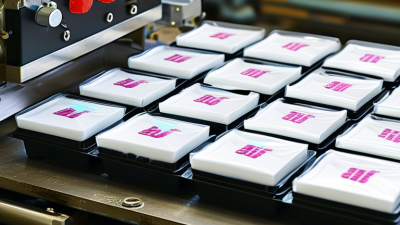
10 Best Automatic Packing Machines for Global Buyers

Global packaging is becoming more automated, but buyers still face a difficult choice: speed, flexibility, reliability, or total cost. The right automatic packing machine must handle real production conditions, not only impressive showroom demonstrations. Product shape, film behavior, sealing temperature, changeover time, and operator training can decide whether a machine succeeds.

PMMI’s recent packaging machinery industry reports identify labor shortages, automation investment, equipment flexibility, and connected technologies as major purchasing pressures. Reports from Interact Analysis also indicate continued growth in packaging automation, especially across food, beverage, pharmaceutical, and consumer goods production. However, market figures differ by machine type, region, and research method. That detail matters. A global percentage cannot guarantee performance in one factory.

As Jorge Izquierdo, PMMI’s Vice President of Market Development, has observed, “Automation is no longer simply about replacing labor; it is about improving productivity, consistency, and safety.” His point remains practical. A machine that fills quickly but wastes film is not truly efficient. A system that reaches high speed but requires long cleaning periods may create hidden costs. Real experience exposes these weaknesses.

This guide examines 10 best automatic packing machine options for global buyers. Each selection should be judged through measurable criteria, including output rate, sealing accuracy, material compatibility, sanitation access, controls, maintenance support, and spare-parts availability. Watch the changeover. Check the reject system. Ask about local service.

No machine fits every operation. That is the uncomfortable truth. Reliable purchasing requires verified specifications, factory testing, and careful attention to the product being packed.
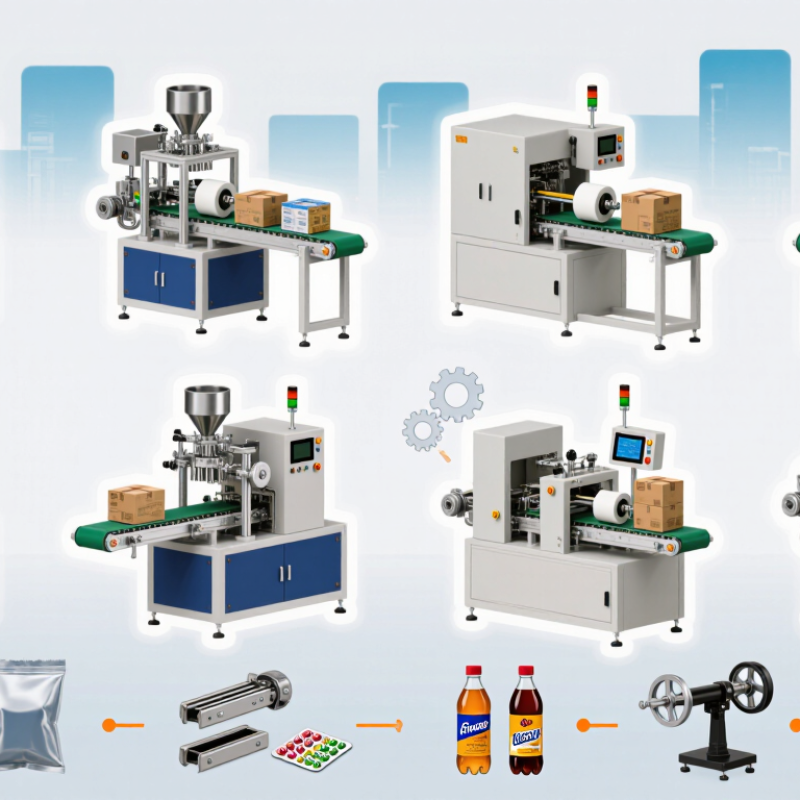
10 Best Automatic Packing Machines for Global Buyers

What Automatic Packing Machines Are and How They Work

10 Best Automatic Packing Machines for Global Buyers

What Automatic Packing Machines Are and How They Work

Automatic packing machines handle several packaging steps with limited manual assistance. They can measure products, form bags, fill containers, seal packages, and discharge finished units. Common applications include powders, grains, snacks, liquids, and small hardware items.

The process begins with product feeding. A hopper, pump, or conveyor moves material toward a measuring system. Sensors check weight, volume, position, or package presence. The machine then creates or receives a container, adds the product, and seals it with heat, pressure, or adhesive. A programmable control system coordinates timing, temperature, and movement. Operators usually adjust settings through a touchscreen.

It sounds simple. It is not always.

Product shape, moisture, dust, and temperature can affect accuracy and sealing quality. A powder may bridge inside the hopper, while a fragile item may break during feeding. During factory evaluations, buyers should test real products rather than rely only on catalog figures. Trial runs reveal waste, speed changes, cleaning time, and operator workload.

Reliable selection also requires attention to electrical standards, guarding, emergency stops, sanitation, and documentation for the destination market. Packaging material compatibility matters too. A machine may run well with one film but seal poorly with another. This detail is often overlooked. Buyers should request maintenance schedules, training, spare-part information, and measured performance data before purchase.

Key Criteria for Comparing Machines in Global Markets

Choosing among the 10 best automatic packing machines requires more than comparing speed figures. Global buyers should examine the complete operating environment. Check the product’s size, weight, moisture, and surface condition. A machine that handles dry goods well may struggle with sticky or irregular products. Request test videos using your actual materials. Better still, run a witnessed trial before signing a purchase agreement.

Electrical compatibility is a practical concern. Confirm voltage, frequency, plug design, and control-system requirements for the destination country. Examine the machine’s safety functions, guarding, emergency stops, and cleaning access. Documentation should include operating manuals, wiring diagrams, maintenance schedules, and spare-parts lists. Clear documents reduce training delays and support safer installation. They also show whether the supplier understands international projects.

Do not judge value by purchase price alone. Compare packing accuracy, film consumption, changeover time, energy use, and expected maintenance costs. Ask how quickly technical support can respond across time zones. Confirm warranty terms, remote diagnostics, and local service options. Small details matter.

A live factory inspection can reveal noise, vibration, loose cables, or difficult access points. I have found that polished demonstrations rarely show every weakness. Buyers should record problems, not ignore them. A comparison sheet helps, but it cannot replace careful questioning. Some specifications remain unclear until the machine packs real products under continuous production conditions. Safety certification and import requirements should also be verified with qualified local professionals before shipment.

10 Best Automatic Packing Machines for Global Buyers - Key Criteria for Comparing Machines in Global Markets
Rank Automatic Packing Machine Type Typical Products Common Pack Format Typical Output Filling or Weighing Range Typical Accuracy Suitable Film or Container Utility Requirements Global-Market Advantages
1 Vertical Form-Fill-Seal Machine with Multihead Weigher Snacks, grains, seeds, confectionery, frozen foods and irregular solid products Pillow bags, gusseted bags and optional block-bottom bags 35–80 bags/min 10 g–2,000 g Typically ±0.5–1.5% of target weight Heat-sealable laminated film, polyethylene and polypropylene structures Compressed air commonly required; electrical supply varies by market Flexible product handling, fast changeover and compatibility with many retail bag sizes
2 Premade Pouch Fill-and-Seal Machine Powders, granules, snacks, pet food, dried foods and small hardware Stand-up pouches, flat pouches, zipper pouches and spouted pouches 25–60 pouches/min 50 g–5,000 g Typically ±0.5–1.0% with a suitable dosing system Premade laminated pouches, zipper bags and retort-compatible pouches when configured accordingly Compressed air and electrical power; vacuum or gas flushing may be optional Good shelf presentation, convenient for premium products and adaptable to multiple pouch designs
3 Auger Powder Filling and Bag-Sealing Machine Flour, spices, milk powder, coffee, additives and pharmaceutical powders Small sachets, pillow bags, gusseted bags and premade pouches 20–70 bags/min 5 g–2,000 g Typically ±1–2% depending on powder characteristics Laminated heat-sealable film and premade flexible pouches Electrical power; dust extraction and compressed air may be required Suitable for controlled powder dosing and available with dust-reduction features
4 Linear Weigher Vertical Packing Machine Rice, pulses, pasta, sugar, salt, pet food and agricultural products Pillow bags and gusseted bags 15–45 bags/min 100 g–5,000 g Typically ±0.5–1.5% of target weight Polyethylene, polypropylene and laminated heat-sealable films Electrical power; compressed air is common for pneumatic actuators Cost-effective for standard products and practical for medium-speed production lines
5 Liquid and Paste Piston Filling Machine Sauces, oils, detergents, creams, honey and other free-flowing or viscous products Bottles, jars, cups, sachets and premade pouches 20–80 containers/min 10 ml–5,000 ml Typically ±0.5–1.0% with a calibrated piston system Plastic, glass or metal containers; flexible packaging with compatible filling heads Electrical power; compressed air often used for valves and actuators Accurate volumetric dosing, easy recipe adjustment and broad viscosity compatibility
6 Stick-Pack and Sachet Packaging Machine Sugar, salt, instant coffee, drink powder, sauces, cosmetics and pharmaceutical doses Three-side-sealed sachets and narrow stick packs 30–120 lanes/min 0.5 g–50 g per lane Typically ±1–2% depending on the dosing method and product flow Laminated roll film, paper-laminate film and heat-sealable barrier structures Electrical power and compressed air; multiple lanes increase air demand Efficient for single-use portions, sampling formats and high-volume consumer products
7 Rotary Cup Filling and Sealing Machine Yogurt, desserts, sauces, ready meals, snacks and fresh food portions Heat-sealed plastic or paper cups 20–100 cups/min 50 g–1,000 g per cup Typically ±1–2% for volume or weight, depending on the filler Preformed cups with aluminum, plastic or laminated lidding film Electrical power; compressed air and clean product-contact areas are commonly required Suitable for hygienic portion control and easy integration with date coding and gas flushing
8 Horizontal Flow-Wrapping Machine Bakery products, confectionery, bars, fresh produce, medical items and hardware Three-side-sealed pillow packs 40–200 packs/min Product-dependent; commonly 10–1,500 mm product length Product count or length based; weighing accuracy depends on the upstream feeder Polypropylene, polyethylene, laminates and recyclable mono-material films Electrical power; compressed air may be needed for special functions High speed, continuous operation and effective protection from handling and contamination
9 Cartoning Machine with Automatic Product Loading Food cartons, cosmetics, bottles, blister packs, pouches and household products Folding cartons with tuck-in or glued closures 30–120 cartons/min Carton-size dependent; commonly 30–500 mm product length Counting-based; filling accuracy depends on the upstream dosing or primary packer Paperboard cartons, typically compatible with recyclable folding-carton grades Electrical power and compressed air; carton blanks must meet dimensional tolerances Improves secondary packaging efficiency and supports multilingual retail cartons
10 Automatic Case Packer and Sealing System Cartons, bottles, cans, pouches, trays and multipacks Regular-slotted cases, wraparound cases and shelf-ready cases 8–30 cases/min Case and product-size dependent; commonly 5–30 kg per case Count-based; case weight consistency depends on the primary packaging line Corrugated fiberboard cases with hot-melt adhesive or pressure-sensitive tape Electrical power and compressed air; conveyor space is normally required Reduces manual case packing, supports export logistics and improves palletizing consistency
Performance figures are typical planning ranges for comparable automatic packaging equipment. Actual output, accuracy, power consumption and format capability vary with product characteristics, package dimensions, film properties, operator skill and line configuration.

Ten Leading Automatic Packing Machine Types for Global Buyers

10 Best Automatic Packing Machines for Global Buyers

Ten leading automatic packing machine types serve different products, materials, and production speeds.

Vertical form-fill-seal machines suit powders, grains, snacks, and other free-flowing goods. Horizontal form-fill-seal machines handle solid products in neat pillow or sachet packs.

Premade pouch machines offer flexible sealing for stand-up bags and spouted pouches. Stick-pack machines create narrow single-serve packs with controlled dosing. Sachet machines support small liquid, powder, or granule portions.

01

Cartoning machines place products into folding cartons with consistent alignment.

02

Case packers load sealed packs into shipping cases with reduced manual handling.

03

Shrink-wrapping machines group products under tight protective film.

Flow wrappers create sealed packages around bakery items, hardware, and household goods. Automatic filling and capping lines manage bottles, jars, and containers with repeatable closure torque.

Material compatibility matters.

Heat-seal temperature, film thickness, pouch dimensions, and product dust can change machine performance. During factory evaluations, buyers should request trials using their own materials. A machine may run smoothly with test film but struggle with recycled or thinner film. That detail is often underestimated.

Check dosing accuracy, changeover time, cleaning access, guarding, electrical standards, and spare-part availability. Remote support is useful, but local technicians can reduce downtime.

Buyers should also verify documentation, operator training, and applicable packaging requirements in each destination market.

A lower purchase price can become expensive when seals fail, format changes take too long, or sensors require frequent adjustment. Some assumptions will be wrong. Practical trials reveal them early.

How to Match Machines With Products and Packaging Requirements

Choosing an automatic packing machine starts with the product, not the machine catalogue. Powdery materials need controlled auger dosing and dust protection. Granules require accurate weighers and gentle discharge. Liquids demand anti-drip filling systems and compatible seals. Fragile products need lower drop heights and softer handling.

Packaging material changes the decision.
Film thickness, seal temperature, pouch shape, and moisture sensitivity affect machine performance. According to PMMI’s 2024 packaging industry research, labor shortages continue to accelerate automation investment. However, speed alone is a weak buying criterion. A machine rated at 80 packs per minute may deliver less in real production because of changeovers, cleaning, and material variation.

Small details matter. Test the actual product before signing. Measure weight variation, seal strength, dust leakage, and rejected packs. Smithers’ packaging market analysis projects continued global growth through 2028, increasing pressure for flexible, efficient equipment. That growth does not make every machine suitable. A compact machine may fit a small facility, yet frequent format changes can erase its labor savings. A high-speed line may also waste product when the dosing system is poorly matched. I have seen specifications look excellent on paper, then fail during humid-weather trials. Ask for production samples, sanitation procedures, spare-part availability, and operator training records. The best choice balances product behavior, package design, output targets, and dependable support.

International Purchasing, Compliance, Installation, and Support

10 Best Automatic Packing Machines for Global Buyers

Choosing among the ten best automatic packing machines requires more than comparing speed. Global buyers should examine bag formats, product characteristics, power requirements, and available floor space. A reliable machine should provide stable sealing, accurate filling, and accessible maintenance points. Request test packaging with your actual product. Small differences in moisture, powder flow, or granule size can change performance.

International purchasing also requires careful compliance checks. Confirm electrical standards, safety guarding, emergency stops, labeling, and technical documentation before payment. Ask for manuals in a usable language. Verify certificates with qualified local professionals, because documents alone do not prove installation readiness. Customs classification, shipping protection, spare parts, and insurance should be discussed in writing. Some buyers focus too heavily on the purchase price. That can be an expensive mistake.

Tips: Prepare a detailed specification sheet before contacting suppliers. Include output targets, package dimensions, material types, voltage, and cleaning needs. Request a video or live factory acceptance test. During installation, reserve space for operators and service access. Train staff on calibration, inspection, and safe shutdown procedures. Keep critical spare parts locally when delivery times are uncertain. Remote support is helpful, but it cannot replace every on-site adjustment. In practice, even a well-designed machine may need tuning after installation. Build that possibility into the schedule and budget.

Click to access the login or register cheese
Scroll to Top

Request a Quote

Call 815-281-5297 now to speak directly with an Algus expert or fill out the form below.