
Why Choose Heat Seal Blister Packaging?
Choosing the right packaging affects product protection, shelf presentation, and customer confidence. Heat seal blister packaging remains a practical option for many retail products. It combines a formed plastic cavity with a sealed backing material. This structure helps keep items visible while reducing handling before purchase. In real packaging projects, small details often determine the result. Seal temperature, pressure, dwell time, and material compatibility must work together. Fit matters. A poorly fitted cavity can allow movement, damage edges, or create an unprofessional appearance. Experienced packaging teams usually test samples before approving full production. These tests can reveal weak seals, cloudy plastic, or difficult opening points.
Heat seal blister packaging also supports clear product display and controlled presentation. Retailers can identify the contents without opening the package. Manufacturers may select different plastics, backing cards, and seal patterns for specific applications. The best choice depends on product weight, shape, storage conditions, and expected handling. It is not automatically the cheapest solution. Tooling, equipment, quality checks, and material waste can influence total cost. That gap matters. Packaging decisions should also consider user safety, accessibility, and responsible material selection. Some designs look secure but frustrate customers who need scissors or excessive force. This issue deserves honest attention. Reliable suppliers can provide sealing data, material specifications, sample testing, and production records. Their recommendations should match the product, not merely promote a standard format. By examining these practical factors, businesses can judge whether heat seal blister packaging offers the right balance of visibility, protection, efficiency, and customer experience.
What Is Heat Seal Blister Packaging?
Why Choose Heat Seal Blister Packaging?
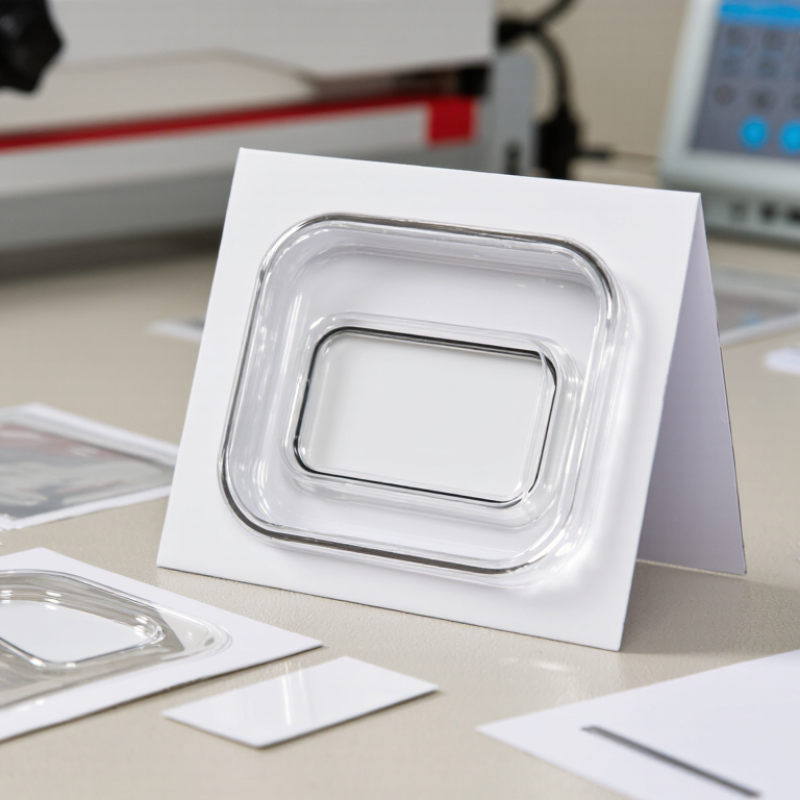
Heat seal blister packaging is a clear, formed plastic cavity sealed to a coated lidding material. The cavity holds a product in a fixed position. A sealing machine applies controlled heat, pressure, and dwell time. This bond protects the contents from dust, handling, and moisture exposure. Depending on the product, the blister may use PET, PVC, or another approved plastic structure. The lidding can be foil, paper-based film, or clear peelable material.
It shows the product clearly.
From practical packaging work, cavity depth matters more than many teams expect. A tight fit reduces movement during transport. A poorly matched cavity can create pressure points or a weak seal. Technicians normally check sealing temperature, pressure, and contact time for every material combination. They also inspect seal width, peel behavior, and visible damage. Small wrinkles near the edge deserve attention. They can become leakage paths later.
Heat seal blisters suit small hardware, personal care items, medical accessories, and retail products needing visible presentation. They can support tamper evidence and consistent portioning. The sealed format also discourages casual opening before purchase. However, it is not automatically the best choice. Plastic selection affects recycling options, and heat can harm sensitive contents. Packaging engineers should test aging, transport vibration, humidity, and opening force. I have seen attractive packs fail because the seal looked strong but peeled unevenly. Better results come from testing the actual product, not only an empty sample.
Why Choose Heat Seal Blister Packaging? - What Is Heat Seal Blister Packaging?
| Data Dimension | Verified General Information | Why It Matters |
|---|---|---|
| Basic definition | Heat seal blister packaging is a package in which a formed plastic blister is sealed to a coated paperboard or plastic backing card using heat and pressure. | The sealed structure keeps the product in a defined cavity and creates a visible, tamper-evident package. |
| Main package components | A thermoformed plastic cavity, a heat-seal coating on the lidding or backing material, and the product placed inside the cavity. | Each component contributes to product protection, sealing performance, handling, and presentation. |
| Common blister plastics | PVC, PET, and PETG are commonly used thermoforming plastics. The choice depends on clarity, stiffness, chemical resistance, barrier requirements, and recycling goals. | Material selection affects appearance, forming quality, product compatibility, and end-of-life options. |
| Typical backing materials | Paperboard cards and plastic lidding films with a compatible heat-seal coating are widely used backing options. | The backing provides sealing support, printed product information, and a surface for instructions or regulatory details. |
| Sealing mechanism | A heated sealing tool softens the sealant layer, while controlled pressure bonds the blister flange to the backing material. The seal cools and solidifies after bonding. | Consistent temperature, pressure, and dwell time are essential for a reliable seal without damaging the product or materials. |
| Product visibility | Clear blister films allow customers and inspectors to view the product without opening the package. | Visibility supports product identification, helps reveal missing or damaged items, and can improve retail presentation. |
| Tamper evidence | A sealed blister generally shows visible damage or deformation if the package is opened by peeling, cutting, or breaking the seal. | This provides a clear indication that the package may have been opened or compromised. |
| Product protection | The formed cavity can protect products from handling damage, abrasion, dust, and incidental contact. Barrier performance depends on the selected plastic and seal structure. | A suitable structure can reduce damage during storage, transport, and retail handling. |
| Common applications | Typical applications include small hardware, household accessories, personal-care items, stationery, electronic accessories, and selected healthcare products. | The format is suitable for products that benefit from visibility, positioning, and compact retail display. |
| Production efficiency | Blister packaging can be produced on automated thermoforming and sealing equipment, with the exact output depending on tooling, machine design, cavity count, and product loading. | Automation can support repeatable dimensions and consistent sealing for medium- and high-volume production. |
| Customization options | Design options include cavity shape, cavity depth, card size, perforations, hang holes, printed graphics, peelable seals, and child-resistant features where appropriate. | Customization allows the package to match product geometry, merchandising requirements, and user-opening needs. |
| Opening experience | Depending on the design, the package may be opened by peeling the seal, tearing the card, cutting the blister, or using a perforated opening feature. | Opening force and accessibility should be evaluated against the product, intended users, and safety requirements. |
| Quality-control checks | Typical checks include seal continuity, seal strength, cavity dimensions, card alignment, material appearance, leakage where relevant, and package integrity. | Testing helps identify weak seals, wrinkles, contamination, misalignment, and forming defects before distribution. |
| Sustainability considerations | Environmental performance depends on material selection, package weight, recycled content, local collection systems, and whether the blister and backing can be separated. | Using less material and designing for available recycling systems can improve end-of-life performance, but local guidance must be checked. |
| Key advantages | Product visibility, secure positioning, tamper evidence, strong retail presentation, compact storage, and compatibility with automated sealing processes. | These benefits make heat seal blister packaging useful when protection and product visibility are both important. |
| Key limitations | Some designs can be difficult to open, require specialized tooling, generate multiple material components, or provide limited protection against high moisture or oxygen unless a suitable barrier structure is used. | These factors should be assessed during package design, material selection, and user testing. |
Note: Actual sealing conditions and package performance vary according to the blister material, sealant coating, backing substrate, equipment, tooling, and product requirements.
Related Posts
-

Top 10 Tips for Effective Blister Packaging Design to Enhance Product Appeal
-
Why is Blister Packaging Design Important for Product Success?
-
What is a manual blister sealing machine and how does it work?
-
How to Choose the Right Plastic Blister Packaging for Your Products?
-

Why Are Blister Packaging Materials Essential for Product Protection?
-

How to Choose the Best Blister Packaging for Your Products?