Best Thermoforming Blister Packaging Machines for Global Buyers?
In the competitive landscape of packaging, the thermoforming blister packaging machine has become essential for various industries. According to a recent market research report by Smithers, the global blister packaging market is expected to reach USD 4.66 billion by 2027, highlighting the growing demand for efficient and versatile packaging solutions. These machines offer exceptional adaptability, catering to pharmaceuticals, consumer goods, and electronics, while ensuring product safety and visibility.
However, challenges exist. Many manufacturers struggle with the selection of the right thermoforming blister packaging machine. Factors such as material compatibility and production speed must be evaluated carefully. Moreover, the learning curve associated with new technologies can lead to inefficiencies in production. Buyers must consider their specific needs and leverage expert insights to make informed decisions.
To navigate this complex market, it's vital to consult industry experts and credible sources. Reliable data points can guide buyers in choosing machines that align with their operational goals. For businesses looking to invest in thermoforming blister packaging machines, a thorough assessment of both benefits and potential drawbacks is crucial in achieving successful outcomes.
Best Thermoforming Blister Packaging Machines: An Overview of Technologies
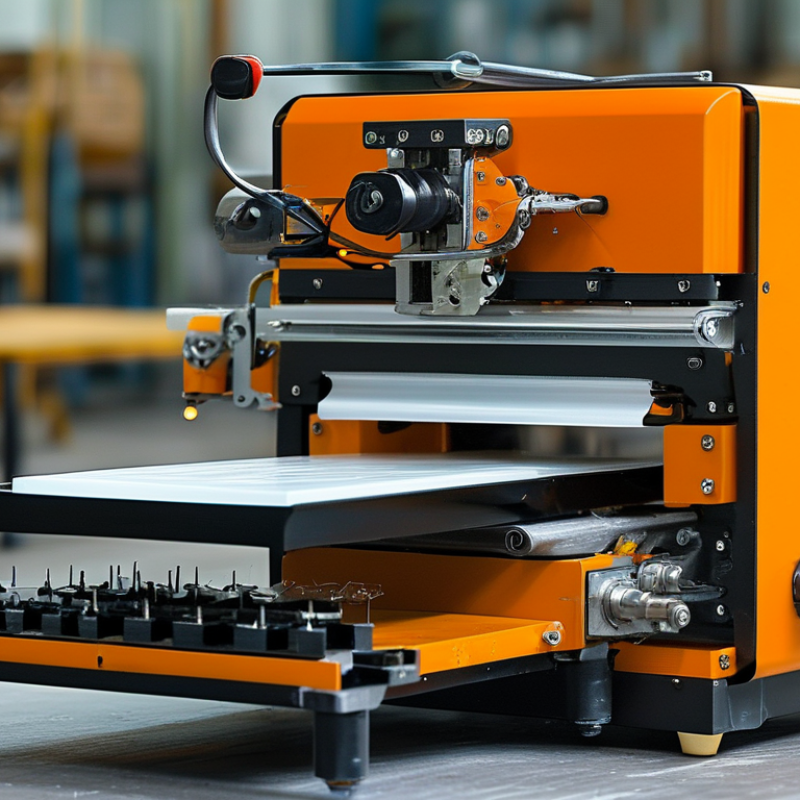
Thermoforming blister packaging machines have transformed how products are packaged across diverse industries. These machines shape plastic sheets into customized forms, allowing for secure and visually appealing packaging solutions. According to industry research, the global thermoforming market is expected to grow at a CAGR of 5.2% through 2028. This growth is driven by increased demand for sustainable packaging options and advancements in manufacturing technology.
Recent advancements emphasize automation and precision. Many modern machines feature integrated sensors for quality control. These innovations not only increase speed but also reduce waste. However, investing in these technologies comes with challenges. Manufacturers must weigh the cost of machine upkeep and training staff on complex systems.
Moreover, the diversity of materials used in thermoforming raises questions about recyclability. While some plastics can be recycled, not all are environmentally friendly. Inadequate recycling can lead to negative perceptions among consumers. Thus, transparency in packaging choices is vital. Brands must understand their responsibility and strive for eco-friendly solutions to meet consumer expectations.
Best Thermoforming Blister Packaging Machines for Global Buyers
Key Specifications to Consider When Choosing Blister Packaging Machines
When selecting blister packaging machines, focus on key specifications. Speed is crucial. Look for machines that can handle various production rates. A faster machine increases efficiency, but it may require more operator skill. Ensure the speed aligns with your production demands.
Material compatibility is another important factor. Different packaging materials require different settings. Verify that the machine can handle materials like PVC, PET, or biodegradable options. Improper material choice may lead to defects. Evaluate the ease of changing materials as well.
Consider the machine’s flexibility. A versatile machine can adapt to different product sizes and shapes. This adaptability can reduce costs as it eliminates the need for multiple machines. Maintenance requirements also matter. Regular upkeep is necessary for durability. Think about the availability of support and spare parts. Remember, accessibility to these can impact long-term reliability.
Market Trends: Growth Rate of Thermoforming Packaging Industry (2023-2028)
The thermoforming packaging industry is witnessing impressive growth driven by rising demand across various sectors. According to market reports, the industry is expected to grow at a compound annual growth rate (CAGR) of over 8% from 2023 to 2028. This growth is largely fueled by the increasing use of thermoformed packaging in food, pharmaceuticals, and consumer goods. Industries are leaning towards sustainable materials, which are crucial for packaging innovation and efficiency.
Recent data indicates that the food and beverage sector is the largest user of thermoformed packaging. This sector's expanding needs are pushing manufacturers to adopt advanced technologies. Additionally, the growth of e-commerce is pushing demand for durable and protective packaging. The convenience of thermoformed solutions, which offer lightweight yet sturdy options, cannot be overstated.
Pay attention to market shifts. Understanding these trends can help businesses stay competitive. Aligning with sustainability goals can enhance brand image. Embracing new materials may be necessary. Manufacturers must also invest in training personnel for increased operational efficiency. Observing changes in consumer preferences will be key.
In the coming years, innovation in machinery will play a vital role. Companies should consider upgrades to maintain competitiveness. A balance between speed and quality is essential. The investment made now can yield significant returns in the future.
Top Global Manufacturers of Thermoforming Blister Packaging Machines
Thermoforming blister packaging machines have revolutionized the packaging industry. With growing demand, it's essential to understand the top global manufacturers in this field. According to a recent market report, the thermoforming packaging market is projected to reach USD 5.99 billion by 2028. This growth highlights the increasing reliance on efficient packaging solutions across sectors.
Several key players dominate the thermoforming blister packaging sector. Their expertise in design and technology ensures high-quality production. A notable trend is the focus on sustainability. Manufacturers are adopting eco-friendly materials, reflecting global environmental concerns. Yet, some companies still use traditional materials, raising questions about long-term impact.
Moreover, advancements in machine features are pivotal. High-speed production and automation enhance productivity. However, many manufacturers struggle with integrating these technologies smoothly, leading to operational inefficiencies. Industry experts emphasize the need for continuous training and adaptation. This ensures that the workforce remains adept at utilizing cutting-edge machinery effectively. As global demand rises, the challenges and innovations in this field remain a topic of ongoing discussion.
Sustainability Practices in Thermoforming Blister Packaging Solutions
Sustainability in thermoforming blister packaging is increasingly crucial. Many manufacturers are seeking eco-friendly materials. Biodegradable options are gaining popularity as concerns about plastic waste rise. Sustainable practices benefit both the environment and brand reputation.
Incorporating recyclable materials can reduce overall waste. However, challenges remain in sourcing these materials. Some companies struggle to find suppliers that meet quality standards. Others may encounter higher costs, which can hinder transition efforts. Educating consumers about sustainability is essential. They must understand the benefits of choosing eco-friendly packaging.
Adopting energy-efficient manufacturing processes also plays a key role. These practices minimize carbon footprints. Yet, the initial investment can be daunting for some businesses. Finding a balance between sustainability and cost-effectiveness is often complex. This ongoing challenge requires continuous reflection and adaptation from industry leaders.
Best Thermoforming Blister Packaging Machines for Global Buyers - Sustainability Practices in Thermoforming Blister Packaging Solutions
| Machine Type |
Production Speed (units/min) |
Material Compatibility |
Energy Consumption (kWh) |
Sustainability Features |
| Automatic Blister Packaging Machine |
70 |
PVC, PET, PP |
12 |
Recyclable materials, energy-efficient |
| Semi-Automatic Blister Packaging Machine |
50 |
PVC, PET |
10 |
Minimal waste, biodegradable options |
| High-Speed Blister Packaging Machine |
120 |
PVC, PETG, PLA |
15 |
Solar energy compatibility, low-energy design |
| Thermoforming Machine with Smart Controls |
85 |
APET, CPET, BOPA |
11 |
Smart energy monitoring, eco-friendly sourcing |