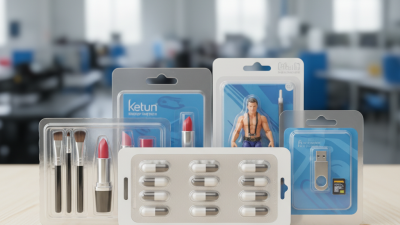
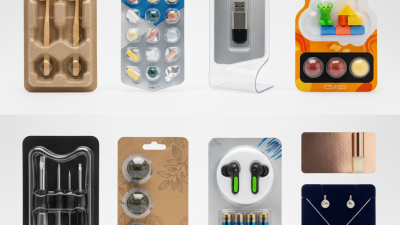
Eco blister packaging is designed to hold a product in a shaped cavity while using materials or structures intended to reduce environmental impact. A typical pack pairs a formed tray with a backing card, keeping the item visible and secured. The tray may use recycled or recyclable plastic, molded fiber, or coated paper. The exact construction varies by product and supplier.
A small battery, for example, can sit inside a clear cavity fixed to a printed card. Depending on the design, heat, pressure, or adhesive seals the components together. The pack helps limit movement, dust, and handling damage. That matters. But “eco” is not a single material standard, and appearance alone cannot prove a package is sustainable.
A useful assessment looks at the whole pack: material amounts, recycled content, product protection, transport, and disposal options. Mixed materials may be difficult to separate, while a simpler design may fit local recycling systems better. Check the material labels and confirm what nearby facilities actually accept. A recyclable claim can be conditional. It may depend on coatings, adhesives, size, or collection access.
This guide explains how eco blister packaging is made, how its parts work together, and which trade-offs deserve attention. The term can be fuzzy; asking for material details is a sensible first step.
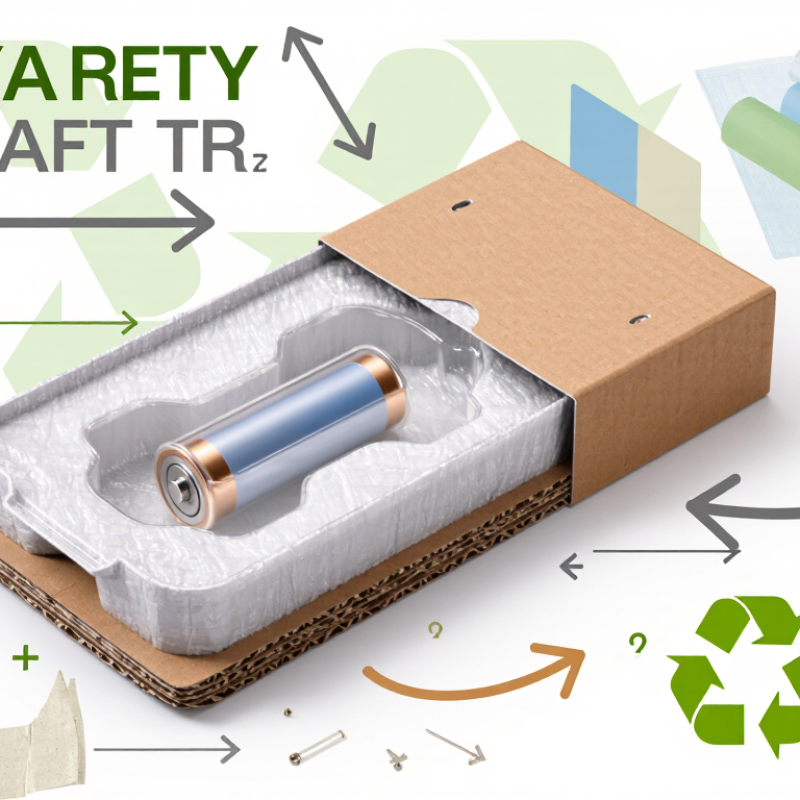
Eco blister packaging is a blister pack designed to reduce material impact while protecting and displaying a product. It typically pairs a shaped cavity with a flat backing card or film. The cavity holds the item in place and lets shoppers see it. It’s not one material.
Some versions use recycled plastic, such as recycled PET, while others use paper-based or plant-derived materials. A pack made from one material may be easier to sort than a plastic-and-paper combination, but local recycling systems differ. The word “eco” alone does not guarantee that a package can be recycled where it is sold. Details matter.
Manufacturing generally involves heating a sheet, forming it over a mold, placing the product inside, and sealing the backing. For example, a small tool might sit in a clear molded pocket attached to a printed card. A useful design keeps that pocket only as large as needed and avoids unnecessary layers. Still, reducing plastic can sometimes mean less visibility or a weaker seal. That trade-off deserves a closer look. Packaging teams can compare material weight, product protection, and local disposal options before choosing a format. One awkward point remains: a lighter pack is not automatically a better one if products are damaged more often.
Materials Used in Eco Blister Packaging
Eco blister packaging can combine a clear formed shell with a paperboard backing. The shell is often made from recycled PET, which can use less virgin plastic. Its transparency lets shoppers inspect the product without opening the pack. Recycled content may vary, though, and a clear appearance does not prove recyclability.
Some designs use molded fiber or paper-based shells instead of plastic. These materials can protect lightweight products, but moisture resistance and visibility may be limited. A thin coating can improve performance, yet it may make sorting harder. Small details matter. Labels, inks, and adhesives can affect whether components separate cleanly during recycling.
Plant-based plastics, such as PLA, are another option. Their environmental benefits depend on how they are made and what local waste facilities accept. They may require industrial composting, not a backyard compost pile. That distinction is easy to miss. In practice, packaging teams should test the full pack, including its barrier needs, durability, and end-of-life route. There is no single material that is best for every product. A simpler structure may be easier to process, but sometimes provides less protection.
An eco blister package is built from a shaped base and a sealed cover. The base holds each item in a fitted cavity, limiting movement during handling. It may use molded paper fiber, recycled plastic, or another material selected for the product’s needs. The cavity’s depth and edges matter. A snug fit can reduce rattling, while a poorly matched shape may leave room for damage. Small details matter.
The cover closes the package and helps keep dust and moisture away. Depending on the design, it may be paperboard, a thin film, or a peelable layer. Heat, pressure, or adhesive can bond it to the base. The seal must be strong enough for shipping but practical to open. A stiff backing can add support, and a clear window can let shoppers inspect the product. Not every package needs one.
Materials work as a system. A paper-based base may feel sturdy, yet it can offer less moisture resistance than some films. Eco does not mean impact-free. Check whether the parts can be separated and accepted by local recycling services. That can be tricky. Package makers also need to test seals, drops, and storage conditions with the actual product, since a lighter design is only useful if it protects well.
Eco blister packaging begins with a material choice, not a sealing machine. Depending on the product, manufacturers may use molded fiber, paper-based structures, or recyclable plastic designed with fewer material types. Each option handles moisture, visibility, and protection differently. There is no single eco material for every product.
For a molded-fiber pack, plant-based pulp is mixed with water, formed in a shaped mold, then dried and trimmed. Plastic blisters are commonly heated and drawn into molds, then cooled to hold their shape. Small details matter. Mold depth and wall thickness affect how securely an item sits. Products are placed into formed cavities by hand or automated equipment, with checks for fit and cleanliness.
The filled tray is joined to a lid using heat and pressure, a compatible adhesive, or another method suited to its materials. Operators check seal consistency and may test samples for peeling or leakage. A tight seal protects the contents, but it should not make opening needlessly difficult. The trade-off is real. A paper-plastic laminate may seal well yet complicate recycling, so material compatibility needs review before production. Final performance depends on the product, pack design, and local recycling systems.
Eco blister packaging usually pairs a formed tray with a paperboard backing or a reduced-plastic structure. Its “eco” label does not guarantee that every component belongs in the same recycling bin. Check the pack closely. Is there a peelable film, a plastic window, or a foil layer? Separate parts only when they come apart cleanly and your local program accepts them. A damp, medicine-stained, or food-soiled card may not be suitable for paper recycling.
For paperboard components, remove loose inserts and keep the material dry and flat. The European Paper Recycling Council reported a 79.3% paper recycling rate in Europe in 2023, but that figure covers paper broadly; it does not mean every blister pack is recyclable. Plastic trays often need a clearly marked resin type and local facility acceptance. If either is missing, don’t guess. Check your municipality’s sorting guide, or place the non-accepted component in general waste. It feels wasteful, and sometimes the packaging design makes the right choice harder than it should be. Avoid putting mixed materials into recycling when they cannot be separated, since one small pack can complicate sorting.
| Packaging type or feature | What it is and how it works | Potential end-of-life route | Practical recycling or disposal guidance |
|---|---|---|---|
| Eco blister packaging: general meaning | A broad term for blister packs designed to reduce environmental impact. A pack typically has a formed cavity that holds a product and a backing or lidding layer that seals it. “Eco” does not identify one standard material or guarantee recyclability. | Depends on the materials, how they are joined, and the local collection and processing system. | Check the package instructions and local waste authority guidance. Separate components only when they can be detached easily and local rules accept them. |
| Mono-material plastic blister | Uses the same type of plastic for the main blister and, where practical, other components. Using fewer material types can make sorting and recycling simpler than a mixed-material pack. | May be recyclable where the specific resin is collected and accepted by local facilities. | Look for the material identification and local acceptance rules. A resin code identifies a plastic type; by itself, it does not mean the item is accepted for curbside recycling. |
| Paper- or fiber-based blister | Uses a formed paper or molded-fiber component, sometimes paired with a transparent plastic window or film. The product is held in a cavity and secured by a backing or seal. | The fiber part may be recyclable if it is clean and accepted locally. Plastic windows, coatings, and adhesives can affect sorting and processing. | Separate the plastic from the fiber only if it comes apart easily. Keep paper and cardboard dry and free of significant product residue; follow local instructions for coated or laminated packaging. |
| PVC blister | A blister made from polyvinyl chloride (PVC). It can provide a clear, formed cavity, but PVC is a different plastic from PET and PP and is not accepted in many household recycling programs. | Recycling is limited and depends on specialist collection and local facilities; otherwise, disposal may be required. | Do not place it in a recycling bin unless local guidance specifically accepts that type of PVC packaging. |
| Medicine blister with plastic and aluminum foil | A common medicine pack combines formed plastic pockets with a thin aluminum foil lidding. The foil is pushed through to access the tablets or capsules. | The small, bonded layers are difficult for many standard sorting and recycling systems to separate; take-back options may be available in some areas. | Use a pharmacy or community take-back program if available and accepted. Do not assume that empty medicine blisters belong in curbside recycling. |
| Compostable or bio-based blister material | Some packaging uses bio-based feedstocks or materials designed to compost under specified conditions. “Bio-based” describes feedstock origin and does not automatically mean compostable. | Composting may be possible only for products that meet applicable requirements and are accepted by a suitable composting facility. | Follow the package’s disposal instructions. Do not put it in a recycling stream or home compost unless the material and local program explicitly allow it. |
| Step 1: Identify the components | Check the label or packaging information for material names, recycling instructions, and any take-back details. | Correct identification helps determine whether a component has a suitable local collection route. | If material information is missing or unclear, consult the local waste authority rather than guessing from appearance alone. |
| Step 2: Empty and separate where practical | Remove the product and any loose inserts. Separate different materials only when they can be separated without tools or excessive effort. | Clean, correctly sorted components are more likely to match the requirements of a collection program. | Avoid washing packaging unless local instructions require it. Do not force bonded layers apart if the package is designed as a single unit. |
| Step 3: Choose the local disposal route | Match each component to the collection options available in your area: curbside recycling, a designated drop-off, a take-back scheme, composting, or residual waste. | Accepted materials vary by location and facility, even when packaging has similar labels or material codes. | When no appropriate recycling or take-back option exists, use the locally permitted residual-waste route. Never litter or burn packaging. |
Note: Recycling and composting availability varies by location. Local waste authority guidance takes priority over general packaging advice.
Call 815-281-5297 now to speak directly with an Algus expert or fill out the form below.