10 Tips for Choosing Blister Packaging Equipment
Choosing blister packaging equipment is rarely a simple capacity decision. The right machine must match your product, materials, workforce, and production rhythm. A compact line may appear economical, yet slow changeovers can quietly increase labor costs. A high-speed system may impress on paper, but poor sealing control can create rejected pockets and wasted film.
“Good packaging machinery should make quality repeatable, not merely make production faster,” says Dr. Michael Thielen, a packaging technology specialist. That principle deserves attention. Equipment selection should examine forming depth, heat distribution, sealing pressure, servo accuracy, and material compatibility. Watch the machine during a realistic trial. Empty demonstrations can hide problems.
These 10 tips for choosing blister packaging equipment explore practical details that brochures often overlook. They consider output, changeover time, cleaning access, inspection systems, operator safety, documentation, validation support, spare parts, and total ownership cost. Ask how quickly a new format can be installed. Measure it.
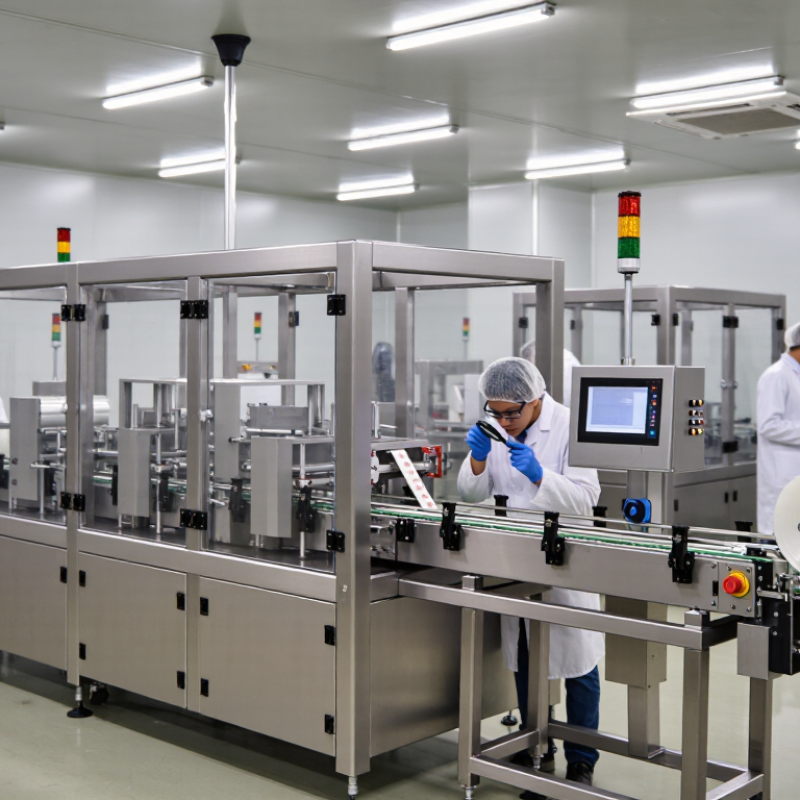
A reliable supplier should explain limitations clearly. That builds trust. You should also inspect sample blisters under magnification, especially around corners and seal edges. Small wrinkles may become serious defects later. Some decisions will remain imperfect because product volumes change and future materials are uncertain. That is normal. The goal is not to predict everything. It is to choose flexible equipment, verify its performance, and leave room for responsible improvement.
Define Your Blister Packaging Requirements
Define Your Blister Packaging Requirements
Choosing blister packaging equipment should begin with the product, not the machine brochure. Record cavity dimensions, product weight, material type, and required protection. Tablets, medical components, and small hardware need different forming depths and sealing pressures. Include the smallest and largest planned formats. A machine sized only for today’s product may become expensive later.
PMMI reported that U.S. packaging machinery shipments reached approximately $10.2 billion in 2022, growing 11.2% year over year. This investment reflects rising demand for automation and flexible production. Your specification should therefore include output targets, changeover time, and operator requirements. Measure realistic speed, not the headline speed. A target of 100% uptime is usually a planning fantasy.
Check the details on the factory floor. Confirm available power, compressed air quality, room temperature, and line clearance space. Define acceptable seal strength, leak-test methods, reject rates, and batch-record needs. Ask suppliers to test your actual product and materials. Keep the test samples. Small differences in foil coating or forming web thickness can change results. I once saw a fast line lose time because its tooling was difficult to clean. The overlooked requirement was accessibility. Build maintenance time into the specification, even when the production forecast looks optimistic.
Compare Equipment Types and Production Capabilities
10 Tips for Choosing Blister Packaging Equipment
Compare equipment types before comparing prices. In plant evaluations, rotary machines suit high-volume production, while plate-style systems offer easier changeovers and lower initial investment. Continuous-motion lines can deliver faster output, but they demand tighter tooling control. Ask about forming depth, sealing temperature, material range, and reject handling. These are practical differences. Not brochure language.
Check ten capabilities: cycle speed, cavity count, format change time, feeder accuracy, vision inspection, temperature stability, line integration, operator access, cleaning time, and spare-part availability. A 2024 PMMI industry report identifies labor availability and automation as major packaging priorities. This supports automated feeding and inspection, but automation only helps when technicians can maintain it. I have seen fast machines lose production through poorly planned changeovers.
Market growth also affects equipment decisions. Fortune Business Insights valued the global blister packaging market at approximately 26.55 billion dollars in 2023 and forecasts about 42.19 billion dollars by 2030. That growth increases pressure for flexible capacity. Compare actual output, not advertised speed. Ask for performance data using your materials, tooling, and product dimensions. Smithers’ packaging research continues to emphasize sustainability and material efficiency, so test thinner films carefully. They may reduce usage, yet forming windows can become narrower. Leave room for learning. A technically impressive line may still be the wrong line.
10 Tips for Choosing Blister Packaging Equipment
Equipment Types and Typical Production Capabilities
Typical output increases from manual to rotary automatic systems as automation, forming speed, and tooling capacity improve. The figures are indicative industry benchmarks for one-cavity production, based on 60 minutes of scheduled runtime per hour; actual output depends on pack size, material, cavity count, changeovers, rejects, and operator skill.
Check Automation, Safety, and Operational Efficiency
When selecting blister packaging equipment, automation should be judged by stability, not impressive screen displays. The International Federation of Robotics reported 541,302 industrial robots were installed worldwide in 2023. That growth shows automation is mainstream, but it does not guarantee better production. Check whether the machine supports recipe control, automatic fault detection, and rapid changeovers. A ten-minute adjustment matters when several blister formats run each day.
Safety must be visible at the machine. Inspect guarding, emergency stops, interlocks, heat-zone protection, and access during cleaning. The U.S. Bureau of Labor Statistics recorded 2.7 nonfatal injury and illness cases per 100 full-time workers in private manufacturing during 2023. Good equipment reduces exposure, but operators still need practical training and clear procedures. Do not accept safety features that slow maintenance so much that workers bypass them.
Operational efficiency depends on details people often overlook. Measure material waste, sealing consistency, line clearance time, compressed-air use, and restart performance after a fault. PMMI workforce research has repeatedly identified skills shortages as a major packaging challenge, so intuitive controls and accessible diagnostics deserve serious attention. A faster machine can still lose money through unstable forming or excessive rejects. This is where judgment becomes imperfect. Request a production trial using your actual materials, tooling, and target speed before approving the purchase. Numbers from a demonstration may look excellent, yet daily cleaning and changeovers can expose the real weaknesses.
Assess Maintenance, Supplier Support, and Total Cost
Choosing blister packaging equipment requires more than comparing purchase prices. Maintenance access, supplier support, and total cost often determine whether a machine remains productive after installation. The U.S. Department of Energy reports that predictive maintenance can reduce costs by 8–12% compared with preventive maintenance. It also links predictive programs with fewer breakdowns and improved equipment availability.
Inspect the machine physically. Can operators reach sealing plates without awkward lifting? Are format parts labeled clearly? Ask for cleaning time, lubrication intervals, spare-part prices, and expected component life. A five-minute changeover claim may exclude inspection and calibration. That detail matters. Request maintenance records from similar installations, not polished demonstrations. I have seen attractive spreadsheets hide expensive sensors, specialist tools, and weekend service charges.
Supplier support deserves a written service-level agreement. Check response times, remote diagnostics, technician coverage, training hours, and software update policies. PMMI’s 2024 workforce research continues to identify skilled labor shortages as a major packaging challenge. Simple interfaces and practical training can reduce dependence on scarce specialists. Calculate total cost over seven to ten years. Include energy, scrap, validation, spare parts, preventive maintenance, downtime, and operator training. A lower-priced machine may become costly when one unavailable component stops production for two days. The calculation will never be perfect. Recheck it with real plant data after six months.