Why Choose a Tray Sealing Machine for Your Business?

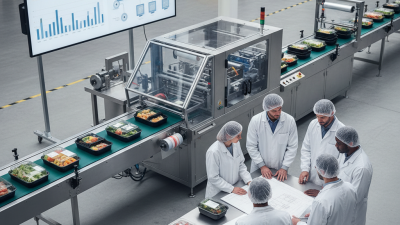
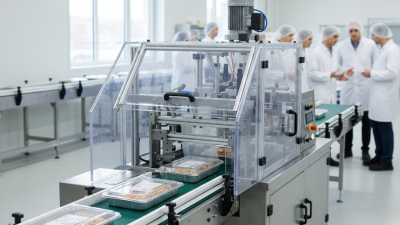
Choosing the right packaging system can shape product quality, operating costs, and customer trust. A tray sealing machine gives food manufacturers a controlled way to close prepared trays with film, heat, or modified atmosphere packaging. It can support fresh meals, meat, seafood, produce, and ready-to-eat products.

Walter Soroka, a respected packaging technology author, defines packaging as “the science, art, and technology of enclosing and protecting products for distribution, storage, sale, and use.” His words explain why sealing equipment deserves careful attention. A tray sealing machine does more than attach film. It helps protect food from handling, moisture loss, oxygen exposure, and accidental opening. The seal should look clean, feel secure, and remain consistent across production runs.

Picture a chilled meal leaving the line with a smooth film surface, a firm seal, and a clearly printed date. That small detail can influence retailer confidence. It can also reduce leakage, waste, and customer complaints. However, buying a machine is not automatically the best decision. Tray size, material compatibility, production speed, cleaning routines, labor skills, and future product changes all matter. A high-speed system may be excessive for a small kitchen. A basic model may become restrictive as demand grows.

There is no perfect machine.

Businesses should test real trays and films before committing. They should measure sealing strength, changeover time, sanitation access, energy use, and rejected packs. Experience on the factory floor often reveals problems that brochures hide. A practical choice balances performance, reliability, maintenance support, and total ownership cost. When those factors align, a tray sealing machine becomes a dependable part of a safer, more efficient packaging operation.
Why Choose a Tray Sealing Machine for Your Business?

What a Tray Sealing Machine Is and How It Works

Why Choose a Tray Sealing Machine for Your Business?

What a Tray Sealing Machine Is and How It Works

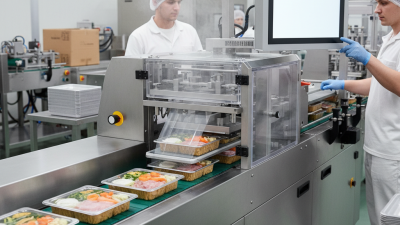
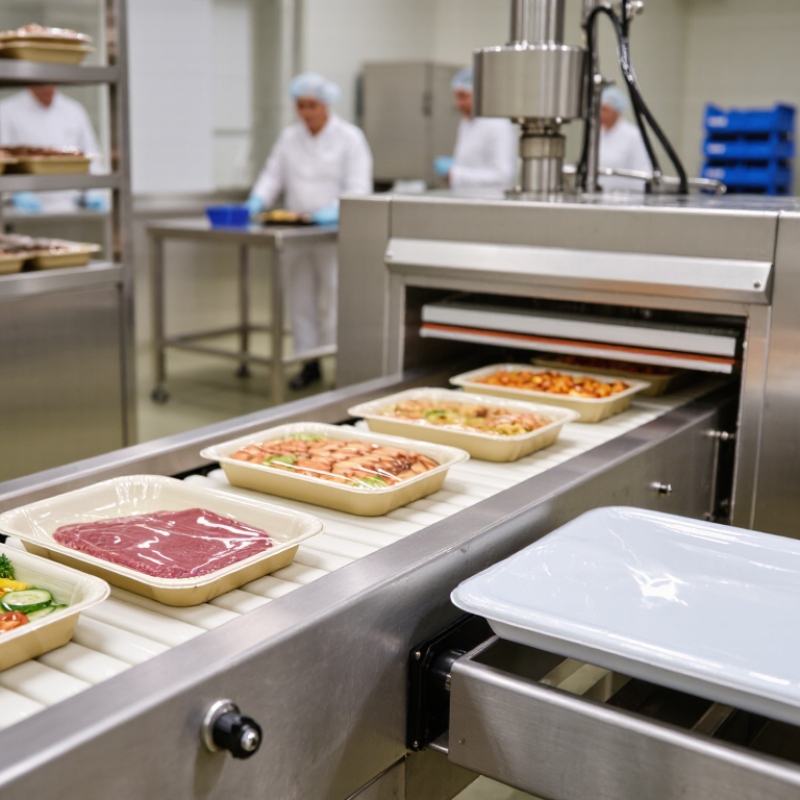
A tray sealing machine closes preformed trays with a flexible film lid. Operators place filled trays into a loading area or onto a conveyor. The machine positions film over each tray, then applies controlled heat and pressure to bond it to the rim. Some models trim excess film after sealing. Modified-atmosphere packaging may also be available, but it requires suitable equipment and careful gas control.

The seal depends on more than the machine. Tray rims must be clean, flat, and compatible with the film. Temperature, pressure, and sealing time need adjustment for each material. A practical test is to inspect several sealed trays, including corners, for wrinkles, gaps, or leaks. Small variations matter. In busy production, inconsistent filling can leave food on the rim and weaken the seal. No setting fixes every problem.

Tips: Start with the film and tray supplier’s specifications. Change one setting at a time, and record the results. Let trays cool before checking seals; warm film can mislead. Recheck after cleaning or changing materials. A simple log helps, though it will not replace regular inspection.

Types of Tray Sealing Machines and Their Capabilities

Why Choose a Tray Sealing Machine for Your Business?

Tray sealing machines help businesses create clean, consistent, and secure packs. Their real value depends on product type, production volume, and packaging goals.

Manual machines suit small kitchens, test production, and changing tray sizes. They require more operator involvement but offer useful flexibility.

Semi-automatic models improve speed while keeping setup relatively simple. They often work well for growing businesses with moderate output.

Automatic tray sealing machines support continuous production with fewer manual steps. They can load trays, seal film, cut edges, and discharge finished packs.

Some systems support modified atmosphere packaging, which replaces air with controlled gases. This can help protect quality when the process is correctly managed. Vacuum sealing removes air before sealing and suits products sensitive to oxidation.

Not every product needs advanced gas control. Sometimes, it adds cost without improving the result. Seal temperature, pressure, dwell time, and film compatibility must match the tray material.

Poor adjustment may cause wrinkles, leaks, or weak seals.

Tips: Test real products before purchase, not empty trays alone. Check seal strength after chilling, stacking, and transport. Ask operators to review cleaning access and changeover time. A machine can look impressive, yet feel inconvenient during a busy shift. Record sealing defects for several weeks. This evidence supports better decisions than sales estimates. Also, leave room for training; even reliable equipment depends on consistent human checks.

Business Benefits of Tray Sealing for Product Packaging

Tray sealing machines turn a prepared tray into a controlled, sale-ready package. The process applies film evenly, creates consistent seals, and supports modified-atmosphere packaging for suitable foods. This can help limit oxygen exposure, moisture loss, and handling damage during distribution. It also gives operators repeatable portion control, cleaner presentation, and faster changeovers between tray sizes.

The business case becomes clearer at higher volumes. Manual lidding may look inexpensive, but labor variation can create leaks, loose films, and inconsistent shelf appearance. Automated sealing reduces these daily uncertainties. Smithers’ Future of Global Packaging to 2028 forecasts continued growth in global packaging demand, driven by convenience, food safety, and longer distribution routes. A reliable sealing process helps manufacturers respond to that pressure without adding unnecessary packaging layers. Small gains matter.

Consumer expectations create another advantage. PwC’s 2024 Voice of the Consumer Survey found that consumers were willing to pay an average premium of 9.7% for sustainably produced goods. Tray sealing can support lighter material designs and better product protection, but the result depends on correct film selection and recycling compatibility. The machine is not magic. Poor temperature settings can still cause weak seals, film waste, or damaged trays. Regular seal testing, operator training, and honest packaging reviews remain essential. That practical discipline often decides whether the investment produces savings or merely adds equipment.

Key Factors for Choosing a Tray Sealing Machine

Why Choose a Tray Sealing Machine for Your Business?

Key Factors for Choosing a Tray Sealing Machine

Choosing a tray sealing machine starts with your product, not its advertised speed. Fresh meals, meat, produce, and prepared snacks may require different sealing pressures and temperatures. Check tray dimensions, material compatibility, and film thickness before comparing machine models. A poor match can create wrinkles, leaks, or unnecessary material waste.

Production volume also matters. A small kitchen may need a compact manual or semi-automatic unit. A busy facility may require automatic feeding, gas flushing, and continuous sealing. Ask how quickly operators can change tray sizes. Ten minutes saved during each changeover can affect the entire workday. Measure the real output, not only the catalog figure.

Hygiene and maintenance deserve close attention. Choose smooth surfaces, accessible sealing plates, and removable parts for routine cleaning. Clear controls help operators monitor temperature, pressure, and sealing time. Safety features should protect hands and prevent operation during faults. In practical testing, inspect sealed trays after cooling, not immediately. Some weak seals look acceptable at first. I have also learned that the cheapest machine can become expensive when spare parts, training, and downtime are ignored. Request sample trials using your actual trays and film. Then record leak rates, setup time, energy use, and operator feedback. That evidence is more useful than confident sales language.

Why Choose a Tray Sealing Machine for Your Business? – Key Factors for Choosing a Tray Sealing Machine

Key factor What to evaluate Practical decision guide Why it matters
Production capacity Required trays per minute, daily production volume, and expected future demand. Estimate output as trays per cycle × cycles per minute × operating minutes. Confirm the rated speed using your tray, film, and sealing process. A machine that is too slow can restrict production; an oversized machine may add unnecessary cost.
Tray and film compatibility Tray dimensions, flange design, material, film type, and seal-layer compatibility. Test the actual tray-and-film combination. Common tray materials include PET, PP, and CPET, but compatibility depends on the sealing layer and machine setup. A suitable match supports consistent seals and helps prevent leaks, wrinkles, or poor film release.
Packaging method Whether the product needs a standard seal, vacuum, or modified-atmosphere packaging (MAP). For MAP, check gas flushing capability and use packaging materials with suitable gas-barrier properties. Validate the process for the product and storage conditions. The required packaging method affects machine features, consumables, operating steps, and shelf-life validation.
Seal quality and inspection Seal integrity, appearance, repeatability, and applicable product or regulatory requirements. Ask for trials using representative products. Check seals for continuity and leaks, and establish routine inspection procedures appropriate to your operation. Reliable seals help protect products and reduce the risk of damaged packs and customer complaints.
Changeover flexibility Number of tray sizes and product formats, tooling requirements, and changeover time. Confirm which formats require separate tooling and ask operators to demonstrate a changeover using your planned product range. Faster, simpler changeovers can reduce downtime when production runs include multiple formats.
Cleaning and hygiene Access to product-contact and splash areas, cleanability, and suitability for the facility’s sanitation procedures. Review the cleaning instructions and inspect the machine layout for hard-to-reach areas. Confirm the required cleaning method with the supplier. Practical cleaning access supports consistent sanitation and can reduce cleaning downtime.
Footprint and utilities Machine dimensions, operator access, electrical supply, and any compressed-air or gas requirements. Compare the installation drawing and utility specifications with your site before purchase, including space for loading, unloading, and maintenance. A good site fit helps avoid installation changes and workflow bottlenecks.
Total cost of ownership Purchase and tooling costs, trays, lidding film, labor, energy, maintenance, and expected downtime. Compare expected operating costs per sealed tray, not just the initial machine price. Include planned production volume and changeover frequency. A whole-life cost comparison gives a more useful picture of investment value.
Service and operator support Training, maintenance requirements, spare-parts availability, and technical support arrangements. Clarify training scope, recommended maintenance tasks, support response arrangements, and which spare parts should be held on site. Good support helps operators use the machine correctly and can help limit avoidable downtime.

Note: Machine output, material compatibility, and packaging performance vary by equipment configuration and application. Verify specifications with production trials using your actual products and packaging materials.

Industries and Products That Use Tray Sealing Machines

Why Choose a Tray Sealing Machine for Your Business?

Tray sealing machines serve more than prepared meals. Meat, seafood, fresh produce, bakery goods, dairy portions, and medical supplies can use sealed trays. Each application needs a different film, temperature, and sealing pressure. A seafood processor may need leak resistance, while a bakery producer may prioritize visibility and easy opening. Clean seals matter.

The market supports this demand. Grand View Research reported that the global fresh food packaging market was valued at approximately USD 95 billion in 2023. Its analysis also expects continued growth through 2030. Meanwhile, the FAO’s State of Food and Agriculture report estimates that about 14% of food is lost between harvest and retail. Better sealing cannot solve every loss, but it can reduce exposure to moisture, oxygen, handling, and contamination risks when correctly validated.

Tray sealing also fits operations seeking consistent presentation. Ready meals can display separate portions clearly. Cut fruit can remain stable under transparent film. Foodservice kitchens can portion soups, sauces, and chilled ingredients quickly. Still, automation is not a universal answer. A poorly matched tray may warp, leak, or waste film. Operators should test seal strength, shelf-life targets, filling speed, and cleaning routines before purchase. This practical step is often skipped. The machine may be efficient, but the product can remain the real constraint.

Why Choose a Tray Sealing Machine?

Tray sealing is widely used for poultry, meat, seafood, egg-based meals, and ready-to-cook foods because it supports hygienic handling, portion control, and compatibility with vacuum or modified-atmosphere packaging. The chart uses official food-safety cooking benchmarks for products commonly packed in sealed trays.

Temperature benchmarks are based on USDA and FDA food-safety guidance: poultry 74°C, ground meats and egg dishes 71°C, and fish or whole cuts of beef, pork, lamb, and veal 63°C.

Click to access the login or register cheese
Scroll to Top

Request a Quote

Call 815-281-5297 now to speak directly with an Algus expert or fill out the form below.