What Is the Best Tray Packaging Machine in 2026?

Choosing the best tray packaging machine in 2026 is not about selecting the fastest model. It is about matching equipment to products, production targets, labor skills, and available floor space. A fresh-meal producer may need accurate sealing for 500 trays per hour. A meat processor may require stronger films, gas flushing, and easier sanitation. Different lines demand different answers.

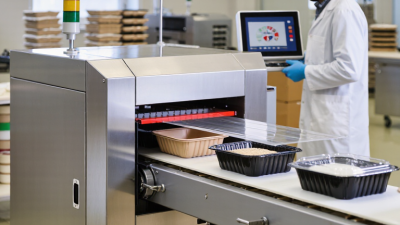
From practical packaging evaluations, several details deserve close attention. Check tray dimensions, sealing temperature control, changeover time, and film waste. Watch the machine operate, not just its brochure demonstration. A reliable system should produce clean seals, consistent gas levels, and readable date codes. It should also allow operators to inspect critical areas without unnecessary exposure to moving parts. Safety guards, emergency stops, and documented maintenance procedures remain essential.

Small details matter.

A good tray packaging machine should fit the entire workflow. Consider conveyors, weighing systems, labeling units, and downstream case packing. Ask suppliers for verified output data using your actual trays and products. Service response, spare-part availability, training, and software support can affect ownership costs more than the purchase price. Energy consumption also deserves measurement, especially during long shifts.

Still, no ranking can be perfectly universal. A machine that performs beautifully with prepared salads may struggle with oily foods or irregular portions. My initial preference may change after testing seal integrity, product presentation, and cleaning time. This article compares leading options through those practical factors, helping buyers make a more informed and defensible decision for 2026.
What Is the Best Tray Packaging Machine in 2026?

What Is a Tray Packaging Machine?

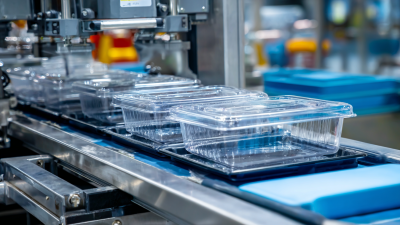
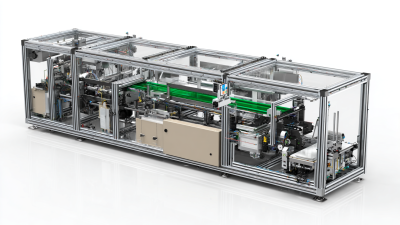
A tray packaging machine forms, fills, seals, or labels products inside rigid trays.

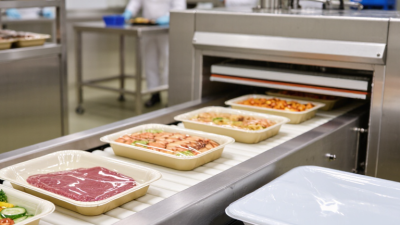
Some systems handle one task, while integrated lines combine several steps. Common applications include fresh food, ready meals, meat, produce, and medical supplies.

The machine first indexes an empty tray into a controlled position. A dosing unit places the product inside, then a sealing station applies film, vacuum, or modified-atmosphere packaging. Sensors check tray presence, film alignment, temperature, and seal pressure.

According to Grand View Research, the global tray sealing machine market was valued at approximately USD 4.7 billion in 2023. The report also expects continued growth through 2030, driven by convenience foods and longer shelf-life requirements. PMMI industry data also shows strong demand for automated packaging equipment in North America.

Tips: Check actual products, tray dimensions, line speed, cleaning access, and changeover time.

A machine rated for 120 trays per minute may slow sharply with uneven portions or frequent format changes. Faster is not always better. In practice, seal consistency often matters more than headline speed. Energy use, compressed-air demand, and film waste deserve equal attention.

I would also request factory trials using your real trays and products. Small differences in moisture, temperature, or tray stiffness can expose weaknesses that brochures rarely mention. The best machine in 2026 is the one that performs reliably on your floor, not merely on a test sheet.

How Tray Packaging Machines Work

What Is the Best Tray Packaging Machine in 2026?

How Tray Packaging Machines Work

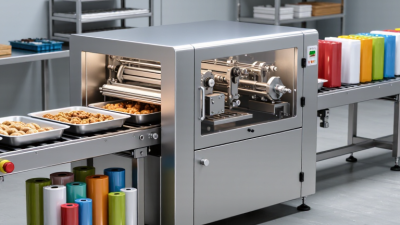
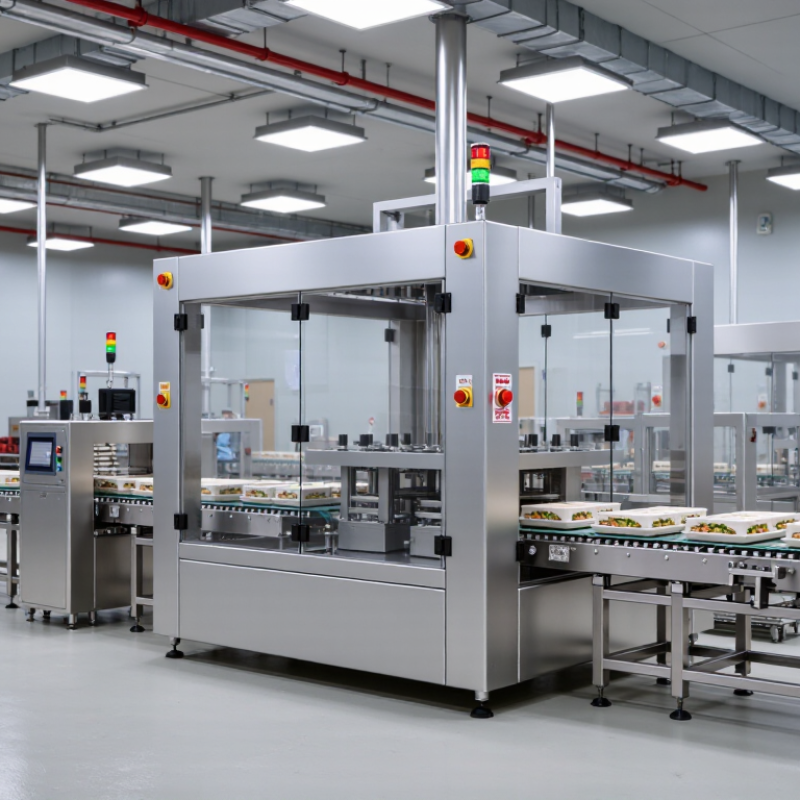
A tray packaging machine moves products through several controlled stages. An infeed conveyor places food or other approved products into empty trays. Sensors check spacing, tray position, and product height before sealing begins. Small errors matter here. An uneven product can weaken the seal.

The machine then covers each tray with a roll of flexible film. A heated sealing plate presses the film against the tray rim. Pressure, temperature, and dwell time must stay balanced. Too much heat may distort the tray. Too little heat can create leaks. Some systems remove air and add a controlled gas mixture before sealing. This can help protect freshness, but the setting depends on the product and packaging material.

After sealing, a cutting tool separates individual packs. A discharge conveyor carries them toward inspection, coding, or secondary packing. Modern equipment often uses sensors to detect missing products, poor seals, and damaged film. In practical line trials, stable results usually depend more on correct setup than maximum speed. That is easy to overlook.

The best tray packaging machine in 2026 should match the product, tray size, film type, cleaning routine, and required output. Operators also need clear controls and accessible parts. No machine is perfect. Regular testing remains necessary, especially when changing materials or product shapes. A reliable sealing record, routine maintenance, and trained operators provide stronger evidence than impressive specifications alone.

Key Types of Tray Packaging Machines in 2026

What Is the Best Tray Packaging Machine in 2026?

Key Types of Tray Packaging Machines in 2026

Tray packaging machines now serve different production realities. Tray sealers close preformed trays with film, making them suitable for fresh meals, produce, and protein products. Modified-atmosphere packaging adds controlled gas mixtures, helping slow oxidation and quality loss. Vacuum skin systems remove air tightly around the product, but they require careful film, tray, and sealing-temperature control. Small errors can create wrinkles or weak seals.

Thermoform-fill-seal machines form trays from rollstock, fill them, and seal them in one continuous line. They reduce manual handling and can improve material efficiency at high volumes. However, format changes may take longer than expected. According to PMMI’s 2024 State of the Industry report, U.S. packaging machinery shipments reached approximately 10.2 billion dollars in 2023. The report also highlights labor shortages and automation as important investment drivers. That data supports automated denesting, robotic loading, and in-line inspection.

For smaller facilities, semi-automatic tray sealers may offer better control and lower installation risk. High-volume plants usually need servo-driven systems, automatic film splicing, and vision checks. The best choice depends on tray depth, sealing speed, product moisture, and cleaning routines. Operators should record seal strength, oxygen levels, changeover time, and rejected trays during trials. One overlooked detail is maintenance access. A fast machine becomes expensive when cleaning takes half a shift. Industry reports guide decisions, but real product trials still matter more than impressive brochures.

How to Choose the Best Tray Packaging Machine

What Is the Best Tray Packaging Machine in 2026?
How to Choose the Best Tray Packaging Machine

Choosing the best tray packaging machine starts with your product, not its advertised speed. Measure tray length, width, depth, and weight across your real product range. A machine that handles one sample perfectly may struggle during a busy production shift. Test sealing with fresh, chilled, moist, and irregular products. Small changes in surface moisture can affect seal strength.

Check the machine’s changeover process carefully. Can one operator adjust guides without special tools? Are temperature, pressure, and dwell time easy to control? Clear settings reduce training mistakes. They also support consistent production. Ask for sample runs using your trays and film, then inspect seals after handling and storage. A clean frame, accessible contact parts, and simple washdown procedures matter in daily use. Do not judge hygiene by appearance alone.

Speed is important, but uptime usually matters more. Review film waste, energy use, maintenance access, and spare-part availability. Ask how faults are recorded and how technical support responds. I once assumed a faster machine would improve output, but frequent adjustments weakened that advantage. That lesson still matters. Leave room for future tray sizes, automation, and data monitoring. A slightly slower machine may prove better when operators can run it confidently, maintain it safely, and repeat reliable results.

Essential Features, Costs, and Maintenance Considerations

What Is the Best Tray Packaging Machine in 2026?

The best tray packaging machine should match your product, output, and available floor space. Adjustable tray guides reduce changeover time and prevent crooked packs. A reliable sealing system should control temperature, pressure, and dwell time. Look for clear controls, safety interlocks, and easily replaceable sealing plates. Modified-atmosphere packaging may extend freshness, but it requires accurate gas control and leak testing. Ask for test runs using your actual trays and products.

Costs vary widely. A compact semi-automatic machine may cost about $8,000 to $25,000. High-output automatic systems can exceed $100,000 before installation. Film usage, tooling, labor, electricity, and training also affect the real investment. The cheapest quotation can become expensive after repeated adjustments. I would not judge value from speed alone. A slower machine with stable seals may create less waste.

Maintenance should be practical for daily staff. Operators need access to clean sealing surfaces, sensors, conveyors, and product-contact areas. Remove film scraps before they harden around moving parts. Check seal pressure and temperature at scheduled intervals. Keep spare heaters, cutting blades, belts, and sensors on site. Record faults, downtime, cleaning, and replaced parts. This evidence supports reliable servicing and reveals recurring problems. Some estimates remain uncertain because workloads change seasonally. Test the machine during busy and quiet production periods.

Click to access the login or register cheese
Scroll to Top

Request a Quote

Call 815-281-5297 now to speak directly with an Algus expert or fill out the form below.