Top 10 Blister Heat Sealing Machines for Global Buyers

Blister packs are judged at the sealing station, where a small temperature shift can leave a weak edge or distort a formed cavity. A blister heat sealing machine must control heat, pressure, and dwell time together. Buyers also need to consider changeover speed, tooling access, operator safety, and service support. The right specification depends on the product, packaging material, and production volume—not a headline speed alone.

Fortune Business Insights estimated the global blister packaging market at USD 27.71 billion in 2023 and projected USD 48.44 billion by 2032, with a 6.4% compound annual growth rate. That report describes packaging demand, not machine sales. The distinction matters. Still, expanding use of blister formats gives buyers a reason to compare equipment carefully. Walter Soroka, packaging author and educator, gives a useful foundation: “Packaging is the science, art and technology of enclosing or protecting products for distribution, storage, sale and use.” Applied to sealing equipment, that principle means protecting the pack while keeping the process repeatable.

This Top 10 guide compares machines by practical criteria, including sealing consistency, format flexibility, throughput, controls, and maintenance needs. A fast cycle is useful. A stable seal is essential. Real production conditions can expose weaknesses that brochures do not show. Buyers should verify performance with their own materials and formats before committing. No ranking replaces a factory trial.
Top 10 Blister Heat Sealing Machines for Global Buyers

Blister Heat Sealing Machines: Definition and Core Components

Blister Heat Sealing Machines: Definition and Core Components

A blister heat sealing machine joins a formed plastic cavity to a lidding material using controlled heat and pressure. The seal protects products from handling, moisture, and dust, though protection depends on the materials and process settings. Market demand provides useful context: Grand View Research valued the global blister packaging market at USD 27.1 billion in 2023, with projected annual growth of 6.2% from 2024 to 2030. That figure covers packaging, not machine sales. Still, it signals why consistent sealing matters to manufacturers.

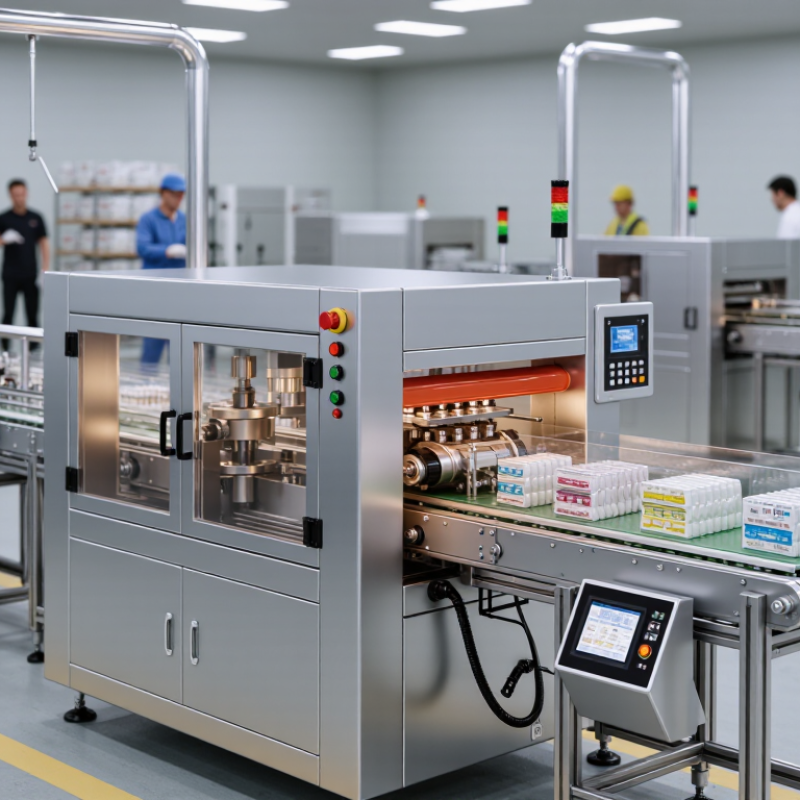
Core components include a heated platen, matched sealing tooling, a pressure mechanism, and temperature controls. The platen heats the tooling; pressure then bonds the lid to the blister flange. A conveyor or indexing table positions each pack, while sensors monitor temperature, timing, and movement. Many machines also include a human-machine interface for setting and checking process parameters.

Small gaps matter. Even a clean-looking seal can be uneven if tooling is misaligned or heat distribution varies. Operators should verify seals with repeatable checks, not appearance alone.

One practical limitation is that no single temperature setting suits every material combination. The right settings must be tested and documented for the actual package.

How Blister Heat Sealing Machines Work

Top 10 Blister Heat Sealing Machines for Global Buyers

How Blister Heat Sealing Machines Work

A blister heat sealing machine closes a formed plastic cavity with a compatible lidding material. The filled blister and lid move into the sealing station, where a heated plate or roller applies controlled heat and pressure. Heat activates the sealant layer on the lid, bonding it to the blister flange. The plastic cavity itself should not be softened excessively. That is the basic idea.

Seal quality depends on temperature, pressure, and contact time working together. If temperature is too low, sections may lift when the package is peeled. Too much heat can distort thin cavities or damage sensitive contents. Operators should check the seal across the package, not just at one corner. Visual inspection helps, but periodic peel tests provide stronger evidence. In practice, setup is rarely perfect on the first try; material thickness and room conditions can shift the result. That deserves attention.

Tips: Start with the material supplier’s sealing range, then adjust one setting at a time. Keep the sealing surface clean, and record successful settings for each material combination. Check samples after warm-up and during production. A neat-looking seal is useful, but it is not proof of consistent strength.

Common Machine Types and Their Applications

Blister heat-sealing machines are commonly grouped by sealing motion and production scale. Intermittent flat-plate units press a heated platen onto lidded cavities. They suit pilot lines, clinical packs, and frequent format changes, where tooling swaps matter more than top speed. Small batches suit them. Rotary machines use heated tooling to seal moving webs continuously. They serve higher-volume tablet and capsule lines, but require stable web tension and carefully matched temperature, pressure, and dwell time. A small drift can wrinkle foil.

Continuous roller systems support steady web movement, while integrated thermoforming lines form cavities, fill them, and seal the lidding material in sequence. These lines suit repeatable, larger production runs. Semi-automatic sealers are more practical for lower-volume medical-device trays and sample packs. There is a catch: faster output can mean more setup sensitivity.

Grand View Research estimated the global blister packaging market at USD 26.8 billion in 2023, forecasting 6.8% annual growth from 2024 to 2030 in its Blister Packaging Market report. That estimate covers packaging, not machine sales. The distinction matters.

Material choice also changes setup: PVC-based webs and aluminum lidding need different sealing windows, while aluminum-aluminum packs demand tighter process control. Operators should validate seal integrity after changeovers; a clean-looking flange can still conceal weak bonding.

Top 10 Blister Heat Sealing Machines for Global Buyers

For global buyers, comparing the top 10 blister heat sealing machines means looking beyond advertised speed. Tray size, sealing area, and tool-change time shape daily output. Flat-plate machines can suit short runs and frequent product changes. Rotary systems may support higher-volume production, but they need suitable floor space and trained operators. Manual and semi-automatic units can reduce the initial investment, though labor needs may rise. Small details matter.

A practical comparison should include temperature stability, pressure control, and seal consistency across the full tray. Ask for a trial using your actual forming material and lidding foil, not just a sample supplied by the seller. Inspect the seal edge, then check whether the pack opens cleanly without tearing unpredictably. Also confirm electrical requirements, guarding, available spare parts, and operator training before purchase. These details vary by machine configuration and local service access. A ranking can still miss the mark: a fast machine is not necessarily the best fit for a smaller facility. Record cycle time, changeover steps, and reject rates during testing. That evidence makes a buying decision more dependable than a brochure alone.

Top 10 Blister Heat Sealing Machines for Global Buyers

Comparison of common machine configurations. Output and working-area figures are indicative ranges; actual performance depends on pack size, tooling, materials, product loading, and the number of lanes.

No. Machine configuration Typical output Typical working area Common sealing setup Best suited to
1 Manual benchtop heat sealer About 1–5 packs/min Small, single-tool formats; tooling-specific Heated platen; operator positions and closes each pack Sampling, prototypes, laboratory work, and very small runs
2 Pneumatic benchtop blister sealer About 5–15 packs/min Small to medium, single-station formats Pneumatic clamping with temperature and dwell-time controls Small businesses seeking more repeatable seals than manual operation
3 Semi-automatic flat-plate sealer About 10–30 packs/min Small to medium; interchangeable tooling is common Flat heated sealing plate; manual loading and unloading Short production runs and frequent format changes
4 Semi-automatic rotary sealer About 15–40 packs/min Small to medium; station and tooling dependent Rotating indexing table with heated sealing station Growing operations that need a compact, operator-fed machine
5 Automatic intermittent-motion blister machine About 30–80 packs/min Medium to large; depends on index length and lane count Web advances in steps; sealing occurs while the web is stationary Regular production volumes with defined pack formats
6 Automatic rotary blister machine About 60–200 packs/min Medium to large; tooling and drum layout dependent Rotary forming and sealing stations support continuous web handling Higher-volume production with stable, repeatable formats
7 Continuous-motion blister packaging line About 100–400 packs/min Large or multi-lane formats; line-specific Web moves continuously through synchronized forming and sealing sections Large-scale production where high throughput justifies line integration
8 Thermoform-fill-seal blister line About 60–300 packs/min Medium to large; cavity layout and lane count dependent Forms cavities, loads product, then heat-seals lidding material in-line Integrated packaging of tablets, capsules, small devices, or consumer goods
9 Aluminium–aluminium cold-form blister line with heat sealing About 30–120 packs/min Medium to large; cold-form tooling is format-specific Forms aluminium-based base web mechanically; heat-seals lidding foil Products requiring a high moisture, oxygen, or light barrier
10 Large-format medical-device blister sealer About 10–60 packs/min Large trays or device packs; custom tooling is common Controlled platen or rotary heat sealing, often with validated process settings Medical devices and other products packaged in larger rigid blisters

Buyer note: Confirm the machine’s materials compatibility, seal-area dimensions, changeover requirements, utilities, safety features, and validated output using your actual product and packaging materials.

Key Criteria for Comparing Machines Across Markets

For global buyers, compare blister heat sealing machines by more than rated speed. Check forming depth, seal temperature stability, pressure control, and compatibility with your cavity and lidding materials. Ask suppliers to run your actual product and packaging during a witnessed acceptance test. Record output after warm-up, seal consistency, reject rate, and changeover time. Peak speed is not enough.

The OECD’s 2022 Global Plastics Outlook reports that packaging accounted for 40% of the 353 million tonnes of plastic waste generated worldwide in 2019. This figure covers all packaging, not blister packs, but it makes material efficiency worth examining. Ask whether the machine can handle your intended material specifications without excessive trim waste, and request documented trial results. Also compare power and air requirements, operator access for cleaning, spare-part lead times, and local service coverage. A scorecard can still miss real-world friction; a difficult format change may cost more than a small speed difference.

Tips: Confirm the electrical supply and available floor space at the installation site. Keep a sample of the tested material and the trial settings for future checks.

Top 10 Blister Heat Sealing Machines for Global Buyers

Key Criteria for Comparing Machines Across Markets: nominal mains voltage in selected buyer markets

Electrical compatibility is an essential comparison criterion when sourcing blister heat sealing equipment internationally. Values show common nominal supply options; some markets use multiple voltages, and actual site supplies can vary. Confirm the machine’s voltage, frequency, phase, and local requirements with the supplier and your facility before purchase. This chart compares market power supplies, not machine performance or a product ranking.

Click to access the login or register cheese
Scroll to Top

Request a Quote

Call 815-281-5297 now to speak directly with an Algus expert or fill out the form below.