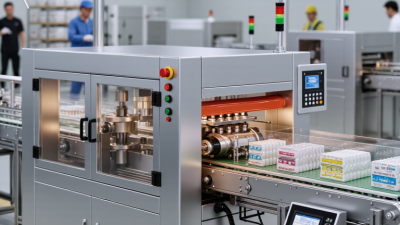
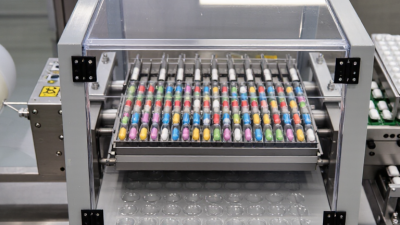
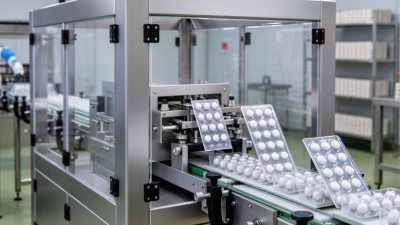
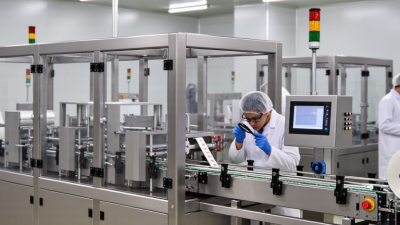
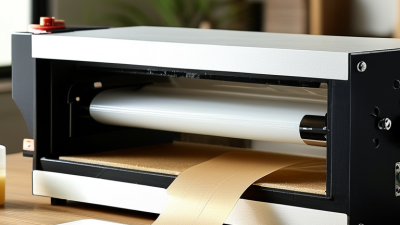
A blister heat sealing machine bonds a formed blister to a compatible lidding material using controlled heat and pressure. The blister may hold tablets, small components, or other individual products, while the lid helps protect each cavity. The machine’s job sounds simple. In practice, a reliable seal depends on several details working together.
This introduction explains the machine’s main parts, how its sealing cycle works, and where blister packaging is commonly used. It also looks at factors such as temperature, pressure, dwell time, material compatibility, and tooling. These settings are not universal; they depend on the packaging materials and the machine design. A seal that looks smooth may still need testing for strength and consistency. That detail is easy to overlook.
Readers can also expect guidance on choosing equipment, routine checks, and common causes of weak or uneven seals. For example, residue on a sealing plate or a poorly aligned blister can affect results. However, troubleshooting should follow the equipment maker’s instructions and suitable quality procedures. A machine alone cannot guarantee package performance. Operators, materials, and regular inspection matter too. Understanding those limits makes it easier to assess whether a blister heat sealing machine suits a particular packaging task.
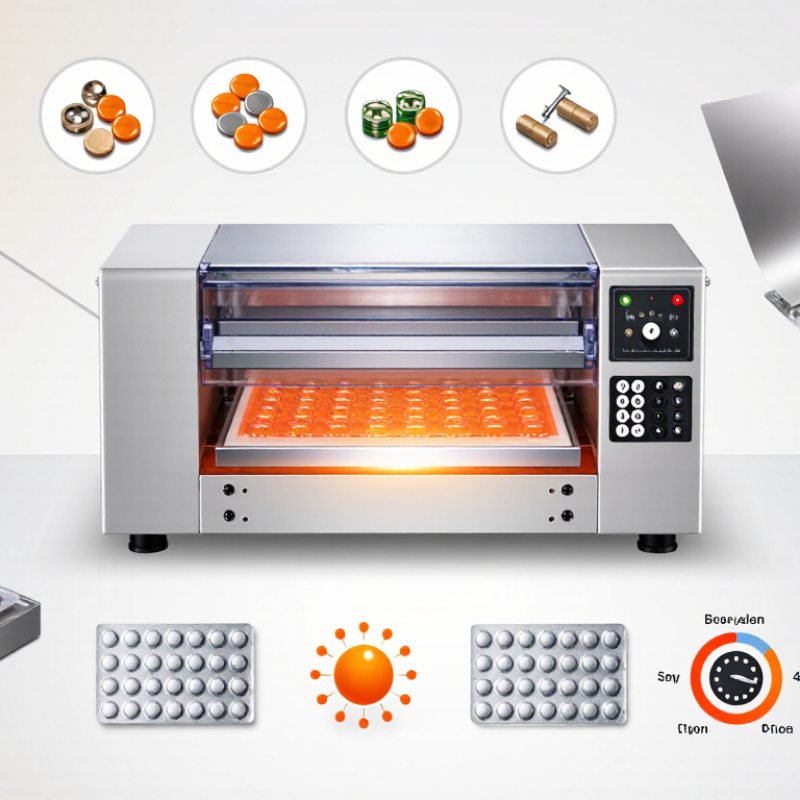
A blister heat sealing machine joins a formed plastic cavity to a lidding material, often a coated foil or compatible film. Its role is not simply to close a pack. It helps protect the product, keep each cavity intact, and create a package that can be opened as intended. Small details matter.
After products are placed into the cavities, the machine positions the lidding web and applies controlled heat and pressure for a set dwell time. The seal must bond around each pocket without distorting the plastic or damaging the contents. Too little heat can leave weak edges; too much may wrinkle the foil or deform the cavity. Alignment matters, too: a shifted lid can expose a pocket or make the pack difficult to inspect.
Operators typically monitor temperature, pressure, dwell time, and material feed, then check samples for seal consistency and clean separation. The right settings depend on the specific materials and pack design, so a successful setup should be verified rather than assumed. A setting that works on one film may fail on another. Even a stable machine can produce occasional defects if material tension changes or residue collects on the sealing surface. Those small inconsistencies deserve attention.
What Is a Blister Heat Sealing Machine?
A blister heat sealing machine joins lidding material to a formed blister web. Three settings shape the bond: heat, pressure, and dwell time. Heat softens the sealant layer without needing to melt the entire lid. Pressure brings the surfaces together across the sealing area. Dwell time lets the sealant flow and set while the tooling is closed. Too little of any one setting can leave weak spots or channels.
A neat edge can still hide an inconsistent seal. Material type, web thickness, and tooling condition all affect the result, so one setting rarely works for every setup. During production checks, look for wrinkles, lifted corners, or uneven seal marks. A peel test can help assess bond consistency, but it should follow a defined method. It is easy to overtrust appearance alone; that assumption can be wrong.
Tips: Let the sealing station reach stable operating temperature before judging early samples. Change one setting at a time, then record the result. If seals vary across the web, check pressure distribution and tooling alignment—not just temperature. A slightly slower setup may prove more reliable.
A blister heat sealing machine bonds a formed plastic cavity to a compatible backing material using heat and pressure. Its heating plates warm the sealing area, while the sealing die presses the materials together. Even contact matters. A slightly uneven plate can leave weak edges or crushed cavities. Dies must match the package shape and size, and they need regular checks for wear or residue.
Controls set key process conditions, including temperature, pressure, and dwell time. Operators adjust these settings for the materials in use; one recipe may not suit every film or backing. Conveyors move packages into position and carry sealed packs onward. Their timing should match the sealing cycle, or packs may shift under the die. In practice, the setup is less tidy than a diagram suggests. Small alignment changes can affect seal quality, so samples should be inspected during setup and production.
Tips: Check that the die is clean and aligned before a run. Test a few packs, then inspect seal edges and backing adhesion. Keep a record of settings and material changes; it helps explain inconsistent results later.
A blister heat sealing machine bonds lidding material to a formed cavity using heat, pressure, and dwell time. Seal strength testing checks whether that bond withstands handling and opening. ASTM F88/F88M measures the force needed to separate a flexible-package seal. The test is destructive, so operators cut representative strips and record the method, specimen orientation, force, and failure mode. Report results consistently, such as force per unit seal width, and compare them with product-specific acceptance limits. That matters. A high average can still conceal weak corners or uneven seals across the web.
F88 does not prove a package is leak-free. Pair it with a suitable integrity check: ASTM F2096 detects gross leaks through bubble emission, while ASTM F2338 uses vacuum decay for non-destructive leak detection. USP General Chapter <1207> also describes a risk-based approach to package integrity testing. Inspect actual blisters for channels, wrinkles, residue, and incomplete contact, especially near cavity edges. Record seal temperature, pressure, and dwell time alongside test results; small process shifts can change performance. One limitation is easy to miss: a flat laboratory strip may not represent a curved, crowded blister. Test finished packs from routine production, and investigate failures rather than relying on averages alone.
ASTM F88/F88M describes a method for measuring the force required to separate a flexible package seal. This chart converts force-per-width values from lbf/in to N/15 mm (1 lbf/in ≈ 2.627 N/15 mm). It is a mathematical conversion reference, not test results or an acceptance limit.
Package integrity checks: Seal-strength testing can be combined with visual inspection and suitable leak or dye-penetration testing. Select methods and acceptance criteria for the package, product, and applicable requirements.
What Is a Blister Heat Sealing Machine?
Medical Packaging Standards: ISO 11607 and ASTM F2029 in Practice
A blister heat sealing machine bonds a lidding material to a formed tray using controlled heat, pressure, and dwell time. For medical packaging, a smooth seal is only the start. ISO 11607-1:2019 covers materials and sterile barrier systems for terminally sterilized medical devices; ISO 11607-2:2019 addresses validation of forming, sealing, and assembly processes. ASTM F2029-16(2021) provides a laboratory practice for assessing the heat-sealability of flexible barrier materials. These standards do not supply one universal seal setting or acceptance limit. Teams must establish criteria for their specific materials and package design.
A practical mistake is treating a good-looking seal as proof of package integrity. It is not. Record actual temperature, pressure, and dwell time, then test representative seals under defined conditions. ASTM F2029 helps compare material behavior; production validation should also reflect the machine, tooling, and operating range. The figures that matter are measured results, not just controller displays. A small temperature drift can change peel behavior, even when the tray looks unchanged.
Tips: Keep a simple process log. Note material lot, settings, and test results. Recheck seals after changes. It is easy to over-trust a clean peel; pause and ask whether the test method and acceptance criteria are truly appropriate for the package.
| Topic | Purpose in Medical Packaging | Practical Machine or Process Controls | Evidence to Maintain | Important Interpretation |
|---|---|---|---|---|
| Blister heat sealing machine | Applies heat and pressure for a controlled time to bond a compatible lidding material to a blister or tray flange, forming a sealed package. | Control and monitor the validated sealing conditions, commonly including temperature, pressure, dwell time, tooling condition, and material presentation. | Equipment setup and maintenance records; recipe or setpoint records; calibration status; production batch documentation. | A machine setting is not, by itself, proof that every package meets its requirements. Suitability depends on the materials, equipment, process, and intended package design. |
| ISO 11607-1 Materials, sterile barrier systems, and packaging systems |
Provides requirements for materials, preformed sterile barrier systems, and packaging systems intended to maintain sterility until use. | Use packaging materials and configurations suitable for the intended sterilization process, handling, storage, and distribution conditions. | Material specifications, supplier documentation, packaging-system rationale, and applicable performance test results. | It addresses packaging-system requirements; it does not prescribe one universal sealing temperature, pressure, or dwell time. |
| ISO 11607-2 Packaging process validation |
Sets requirements for validation of forming, sealing, and assembly processes for sterile barrier systems. | Establish documented process specifications and validate the sealing process using appropriate qualification and routine-control activities. | Documented validation protocol and report; equipment qualification records; defined operating limits; routine monitoring and change-control records. | Validation should demonstrate that the process can consistently produce packaging that meets its defined requirements. Acceptance criteria are product- and process-specific. |
| ASTM F2029 Laboratory heat-seal preparation |
Provides practices for making laboratory heat seals to evaluate the heat-sealability of flexible barrier materials, commonly using seal-strength measurements. | Prepare controlled laboratory seals while documenting the selected temperature, pressure, dwell time, specimen details, and conditioning as applicable. | Laboratory setup and specimen records; tested process conditions; seal-strength results and observations. | F2029 is a laboratory practice for studying material sealability. It does not replace validation of the production sealing process under ISO 11607-2. |
| ASTM F88/F88M Seal-strength testing |
Provides a method for measuring the force required to separate a flexible barrier material seal. | Define specimen preparation, test configuration, and conditioning consistently with the applicable method and test plan. | Test method and configuration; specimen dimensions; measured results; failure mode; equipment calibration records. | Seal strength is one measure of seal performance. A strength result alone does not establish package integrity or sterility maintenance. |
| Visual seal inspection | Helps identify visible defects that may affect the seal or package, such as wrinkles, channels, incomplete bonds, or contamination in the seal area. | Define inspection conditions and defect criteria; maintain consistent material alignment and clean sealing surfaces. | Documented inspection criteria, sampling or inspection records, defect descriptions, and disposition of nonconforming packages. | Visual inspection is useful for routine control but should not be treated as a substitute for appropriate package-performance testing. |
| Process window and routine monitoring | Shows that the sealing process operates within established limits and remains capable of producing conforming seals. | Establish limits through process development and validation; monitor relevant parameters and respond to excursions or adverse trends. | Approved process limits; monitoring records; deviation investigations; requalification or change assessment when needed. | Standards do not supply universal numeric setpoints. Limits must be justified for the specific materials, package design, and equipment. |
Practical takeaway: ASTM F2029 can help characterize how flexible packaging materials form heat seals under laboratory conditions. ISO 11607 provides the broader framework for packaging-system requirements and validation of sealing processes. Select methods and acceptance criteria based on the package design, materials, and intended use.
Call 815-281-5297 now to speak directly with an Algus expert or fill out the form below.